







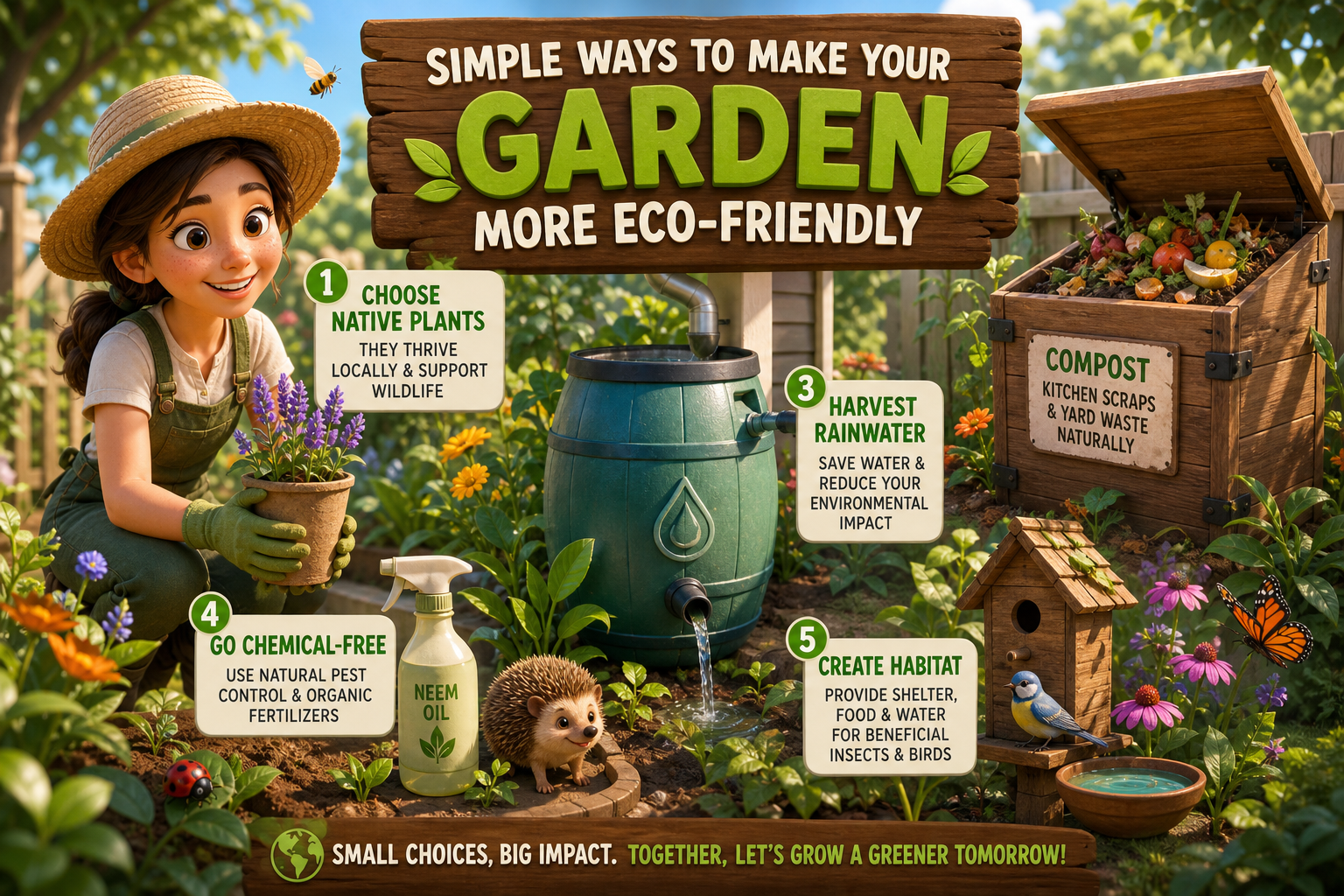
Introduction to Eco-Friendly Gardening
Creating an eco-friendly garden is more important than ever in 2026. With climate change and environmental issues at the forefront of global concerns, every small effort counts. An eco-friendly garden not only helps the planet but also enhances your outdoor space. You can create a vibrant garden that uses resources wisely. This article will explore simple ways to make your garden more eco-friendly. You will find tips that are easy to implement and beneficial for both you and the environment.
1. Choose Native Plants
One of the simplest ways to make your garden eco-friendly is to choose native plants. Native plants are those that naturally grow in your area. They require less water and no chemical fertilizers. These plants are adapted to the local climate and soil. For example, if you live in a dry region, native succulents and cacti can thrive without much care. This helps you save water and reduces maintenance tasks.
Additionally, native plants provide food and shelter for local wildlife, such as birds and butterflies. You can attract these creatures by planting native flowers. This creates a balanced ecosystem in your garden. By selecting plants that belong to your region, you contribute to the preservation of biodiversity. Always check with local gardening centers for lists of native plants suitable for your area.
2. Implement Rainwater Harvesting
Rainwater harvesting is an effective method to conserve water. Collecting rainwater reduces the demand on municipal water supplies. You can set up a simple rain barrel under your downspout to capture rainwater. This barrel can be used to water your garden during dry spells. It is easy to install and can save you money on your water bill.
Using rainwater is also better for your plants. Tap water often contains chlorine and other chemicals that can harm your plants. Rainwater, on the other hand, is pure and beneficial. To maximize your rainwater collection, consider installing multiple barrels. Place them in different areas of your garden for easy access. This ensures you have enough water for all your gardening needs.
3. Composting Organic Waste
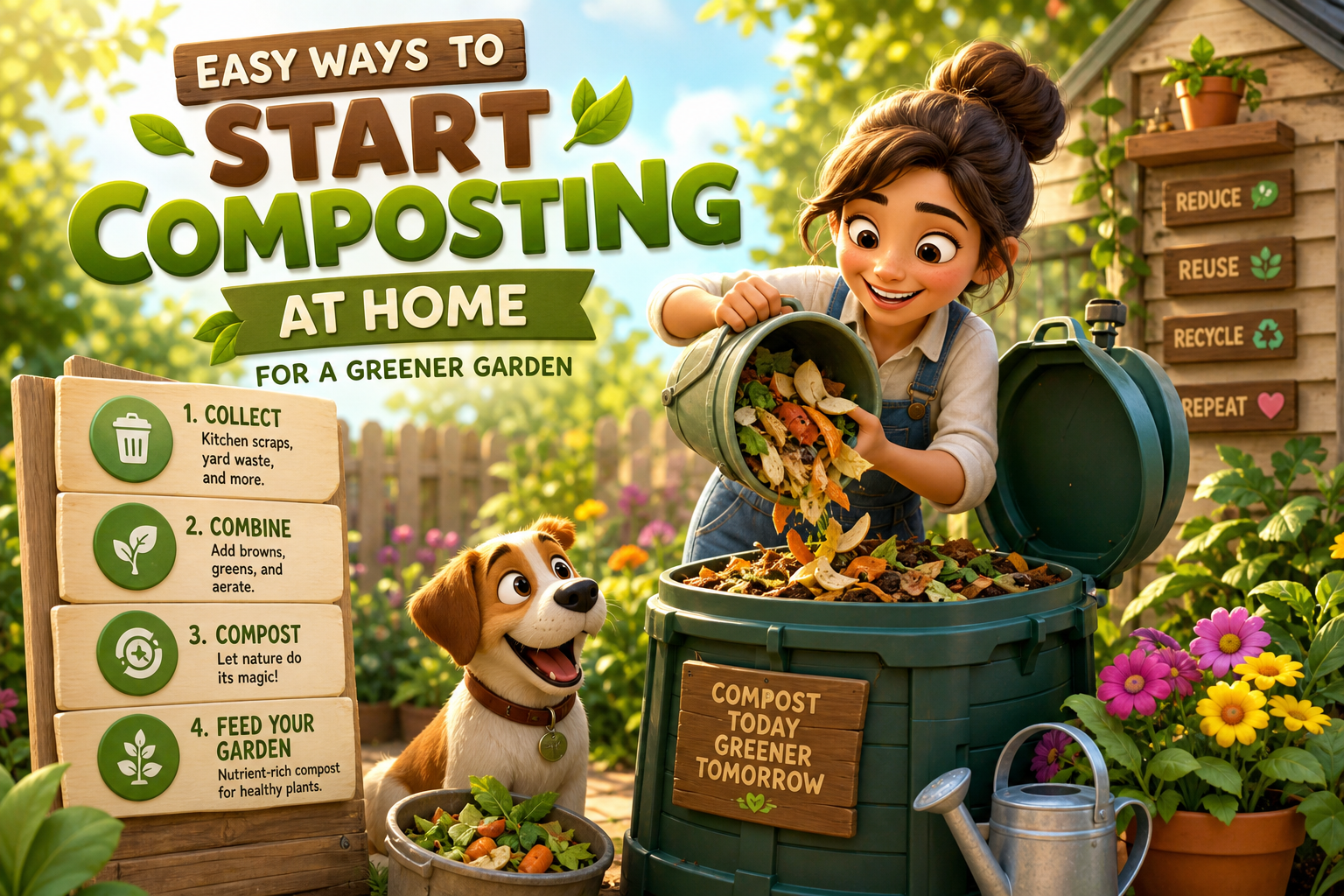
Composting is a fantastic way to recycle organic waste and make your garden more eco-friendly. Instead of throwing kitchen scraps and yard waste in the trash, you can transform them into rich compost. Compost is full of nutrients that help your plants grow strong and healthy. You can create a compost pile in a corner of your yard or use a compost bin.
Start your compost with green materials like vegetable peels and grass clippings. Add brown materials like dried leaves and cardboard for balance. Make sure to turn your compost regularly to aerate it. In a few months, you will have dark, crumbly compost ready to use. This not only reduces landfill waste but also enriches your garden soil naturally.
4. Use Organic Pest Control
When it comes to pest control, using organic methods is essential for an eco-friendly garden. Chemical pesticides can harm beneficial insects, birds, and even your pets. Instead, consider natural alternatives. For instance, you can use neem oil or insecticidal soap to control pests without harmful chemicals. These products are safe for the environment and effective at keeping pests away.
Another way to manage pests is to invite beneficial insects into your garden. Ladybugs and lacewings are great for controlling aphids and other harmful pests. Planting flowers like marigolds can attract these helpful insects. You can also use physical barriers, such as row covers, to protect your plants. This approach allows you to maintain a healthy garden ecosystem.
5. Practice Crop Rotation
Crop rotation is a gardening practice that helps maintain soil health and prevents pest buildup. By changing the location of your plants each season, you can prevent soil depletion and reduce disease. For example, if you grow tomatoes in one area this year, plant legumes like beans or peas in that spot next year.
This method improves soil nutrients and breaks pest cycles. It is an effective strategy for both vegetable and flower gardens. Not only does crop rotation keep your plants healthy, but it also promotes biodiversity. By varying your crops, you create a more resilient garden that can withstand environmental changes.
6. Mulching for Moisture Retention
Mulching is a technique that involves covering the soil with organic materials. This helps retain moisture, suppress weeds, and improve soil health. You can use materials like straw, wood chips, or shredded leaves as mulch. When you apply a thick layer of mulch around your plants, it keeps the soil cool and moist.
In addition to conserving water, mulching adds nutrients to the soil as it breaks down. It minimizes the need for watering, especially during hot summer months. This practice not only benefits your plants but also reduces your overall water usage. Regularly replenish the mulch to maintain its effectiveness and keep your garden thriving.
7. Create a Wildlife Habitat
Creating a wildlife habitat in your garden is another way to contribute to the environment. You can provide food, water, and shelter for various animals. Start by planting a variety of flowers, shrubs, and trees that attract birds and butterflies. Including a small water feature, like a birdbath or pond, can also help local wildlife.
Consider adding birdhouses and bat boxes to offer safe nesting sites. Native plants are especially beneficial as they provide food sources for local species. By designing your garden as a habitat, you enhance biodiversity and support the local ecosystem. This effort allows you to enjoy watching the wildlife that visits your garden.
8. Reduce Lawn Size
Lawns require a lot of water and maintenance, making them less eco-friendly. Reducing the size of your lawn can significantly lower your water usage and maintenance efforts. Instead of having a large grassy area, consider replacing parts of your lawn with native plants, flower beds, or pathways. This not only saves resources but also creates a more diverse garden.
You can also create a small meadow area with wildflowers. This is not only visually appealing but also supports local pollinators. By minimizing your lawn, you reduce the amount of mowing and chemical treatments needed. This change makes your garden more sustainable and easier to manage.
9. Use Eco-Friendly Garden Tools
Choosing eco-friendly garden tools is an important step towards sustainability. Look for tools made from sustainable materials like bamboo or recycled metals. These options are better for the environment compared to plastic tools. When purchasing new tools, consider their durability. High-quality tools last longer and reduce the waste generated from disposable items.
Additionally, electric tools, like battery-powered mowers and trimmers, are more eco-friendly than gas-powered ones. They produce less pollution and noise. By investing in eco-friendly tools, you not only enhance your gardening experience but also contribute to a healthier planet.
10. Practice Sustainable Planting Techniques
Sustainable planting techniques promote a healthy garden environment. Start by planting at the right time for your climate. Timing is key to ensuring plants thrive and use resources efficiently. For example, plant drought-resistant species during the cooler months to minimize water needs.
Consider using companion planting, where you grow different plants together to benefit each other. For instance, planting basil near tomatoes can improve their growth and flavor. This strategy reduces the need for fertilizers and pest control. By using sustainable planting practices, you create a more resilient garden that supports the ecosystem.
11. Educate Yourself and Others
Lastly, educating yourself and others about eco-friendly gardening is essential. Stay informed about the latest sustainable practices and tools. Join community gardening groups or local environmental organizations to share knowledge and resources. Hosting workshops or sharing tips with friends can spread awareness about eco-friendly gardening techniques.
Consider using social media to showcase your eco-friendly garden projects. This can inspire others to adopt similar practices. By working together, we can create a larger impact in promoting sustainable gardening. Every small action contributes to a healthier planet, so encourage those around you to join in.
Making your garden more eco-friendly is a rewarding journey. By implementing these simple strategies, you can create a beautiful space that benefits both you and the environment. From choosing native plants to practicing sustainable techniques, every effort counts. In 2026, let us all work towards greener gardens and a healthier planet. Start today, and enjoy the fruits of your labor while contributing to a sustainable future.