









Designing a Low-Maintenance Front Yard Zone With Native Plants and Clear Paths
A front walk vanished behind messy shrubs. Clear paths, mulch beds, and native plant groups made the yard easier to use and care for.
A front walk vanished behind messy shrubs. Clear paths, mulch beds, and native plant groups made the yard easier to use and care for.

A full kitchen caddy can feed dry border beds instead of the bin. Use small composting habits to build healthier planting zones.
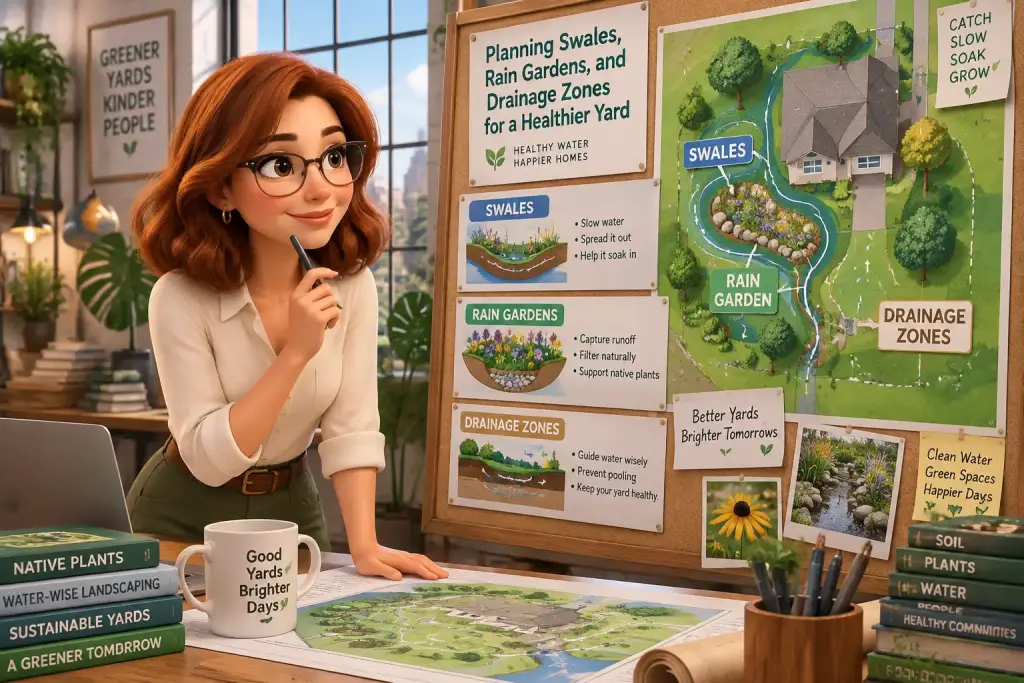
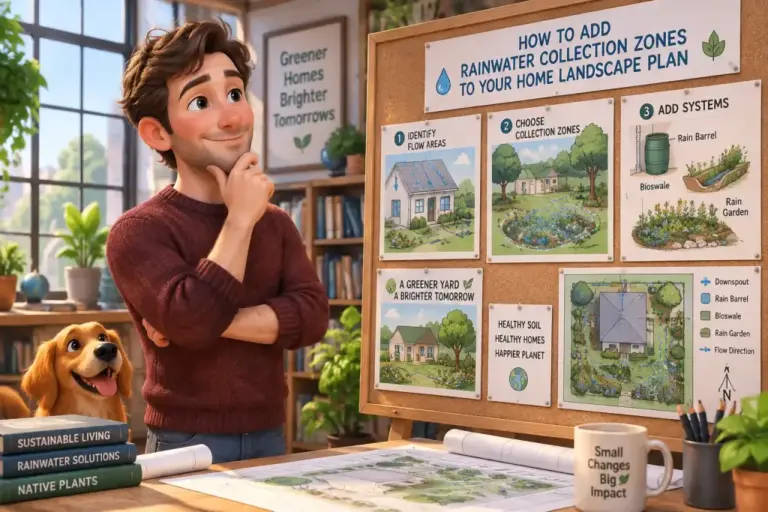
A simple water plan helps rain move where it should. Build better daily yard results with a few measured zones and regular checks.
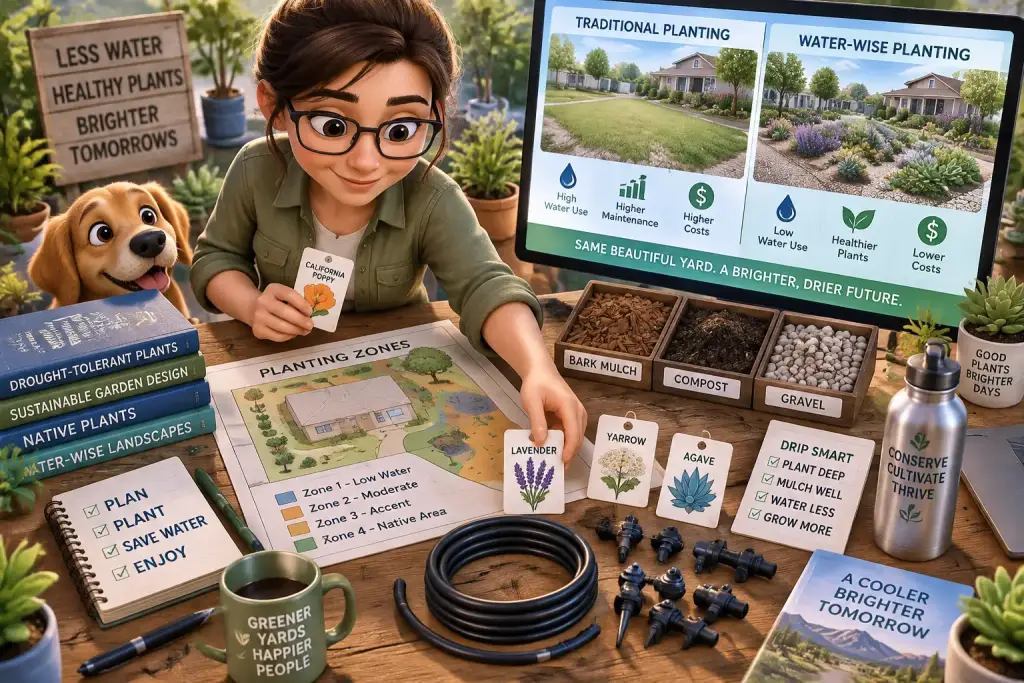
Stop treating every garden bed like it needs daily water. A planned zone with mulch, drip lines, and matched plants stays healthier with less work.
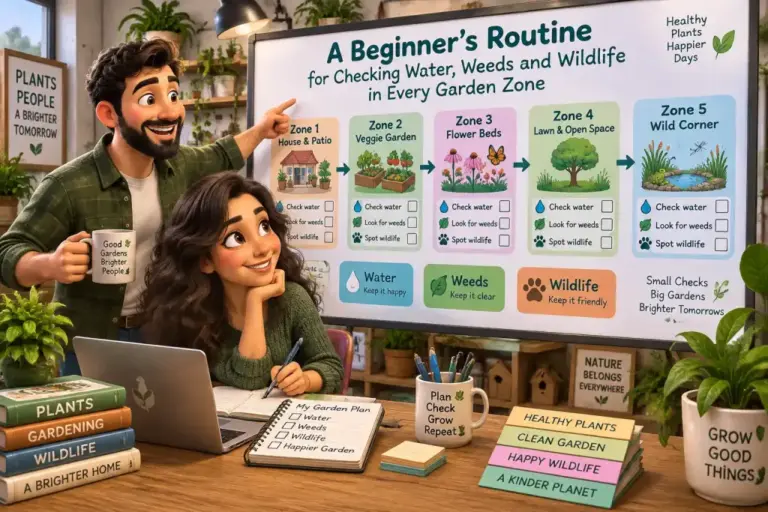


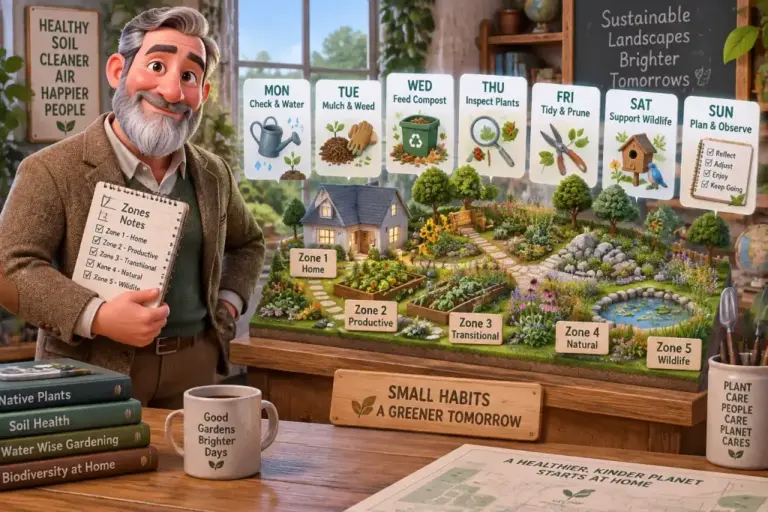
A backyard plan works best when it follows the trips, chores, and rest time already happening outside each day around your home.
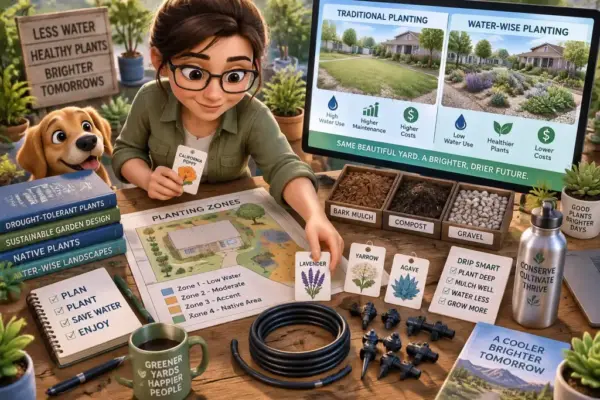
Stop treating every garden bed like it needs daily water. A planned zone with mulch, drip lines, and matched plants stays healthier with less work.

A front walk vanished behind messy shrubs. Clear paths, mulch beds, and native plant groups made the yard easier to use and care for.
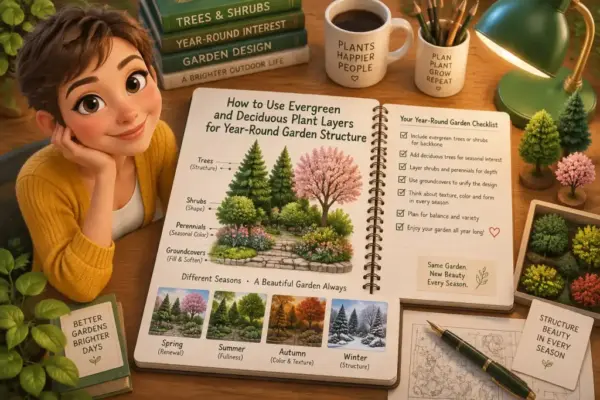
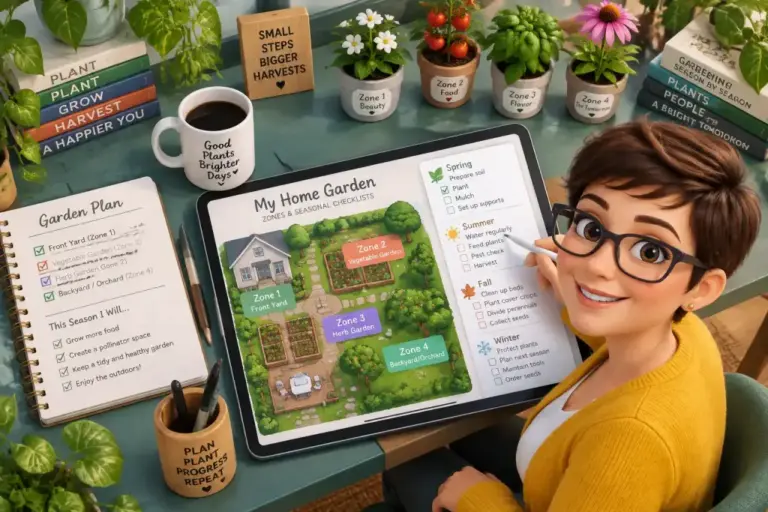
A paper bed map and four-season plant list prevent bare spots, saving weekend rework while keeping paths, windows, and sun clear all year.
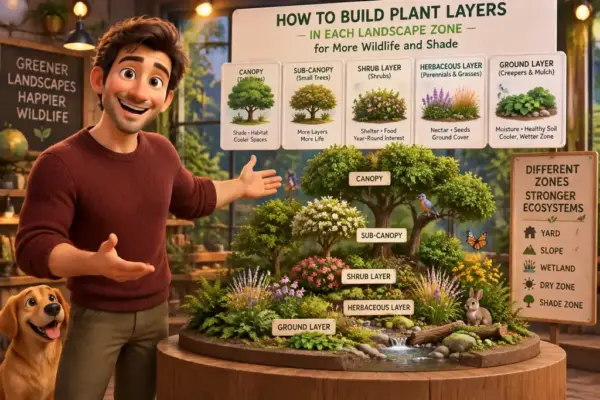
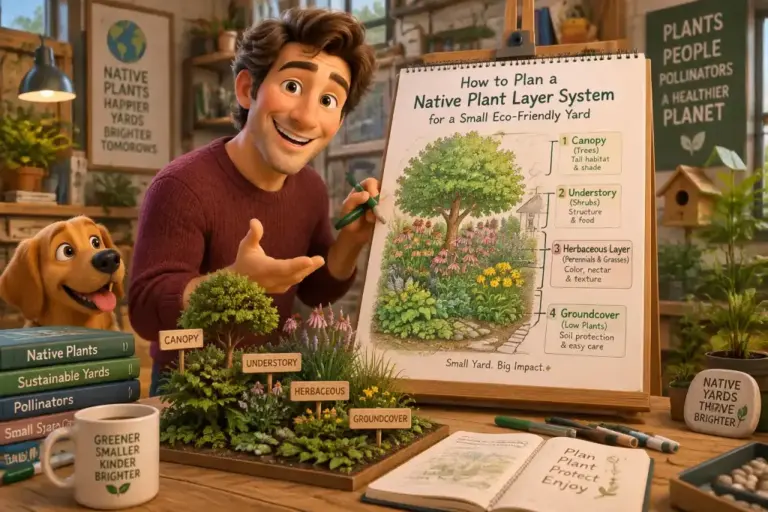
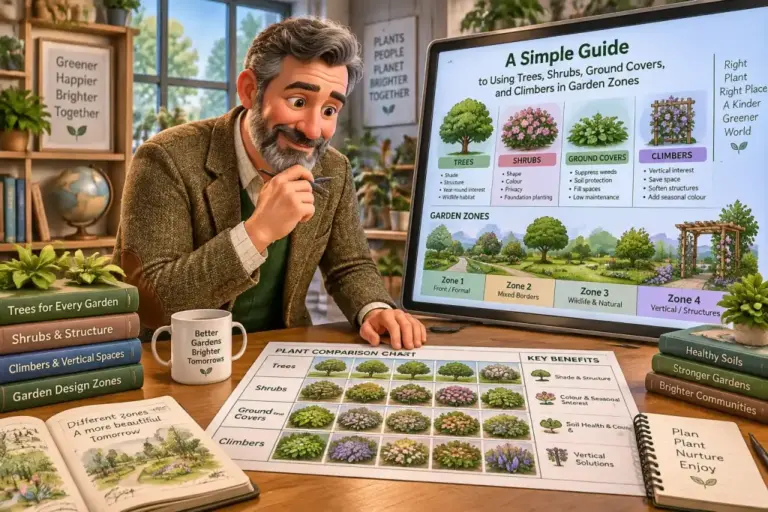
Stop treating every bed as one flat row of plants. Build simple height groups instead for cooler shade, better cover, and more wildlife activity.
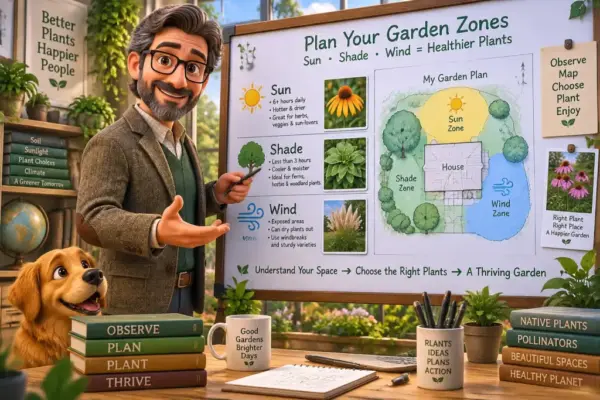
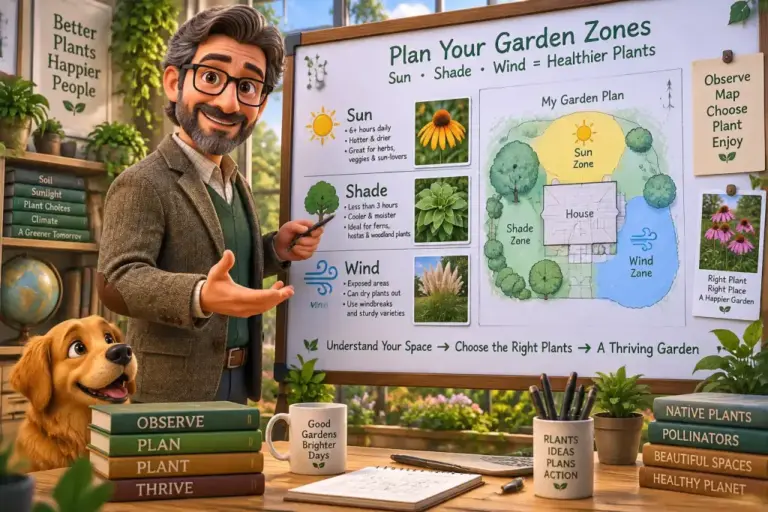
Old plant lists ignore the yard’s changing light. A simple zone map now helps you choose plants that fit from the start.

Use a simple height map and sun check before planting. This quick workflow prevents blocked paths, dark windows, and costly moving later.
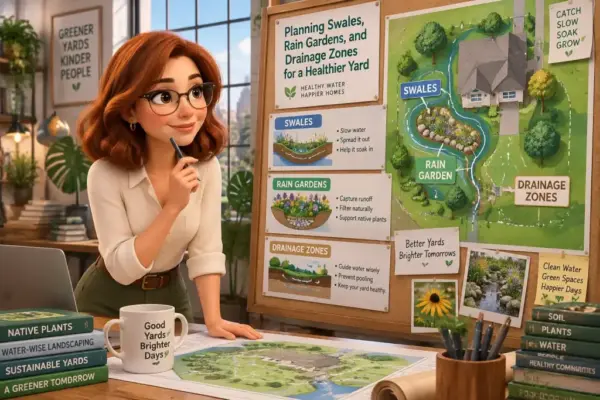
A simple water plan helps rain move where it should. Build better daily yard results with a few measured zones and regular checks.

A full kitchen caddy can feed dry border beds instead of the bin. Use small composting habits to build healthier planting zones.
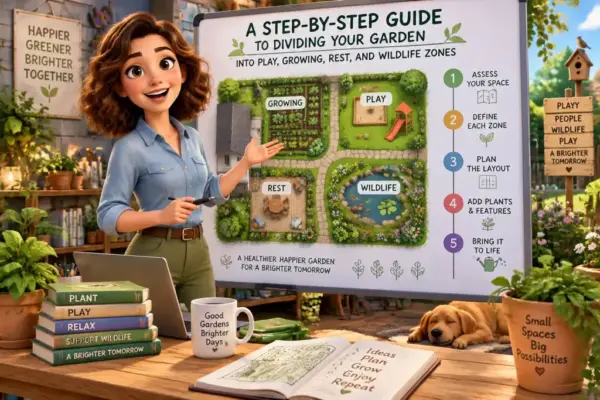
Mark four simple areas with string, then place play, food, rest, and wildlife spaces where daily use and sun make the best sense.

A steady mowing and mulching routine turns grass clippings and leaves into useful soil cover, keeping bins lighter with little extra work.
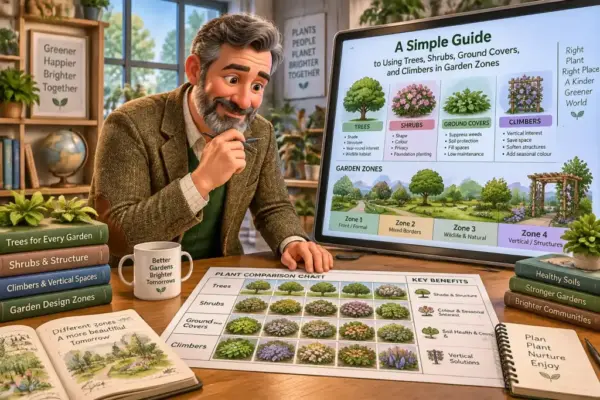
A hot patio and bare fence can waste space. Use layered plants to build shade, cover soil, and give each garden area a clear job.