



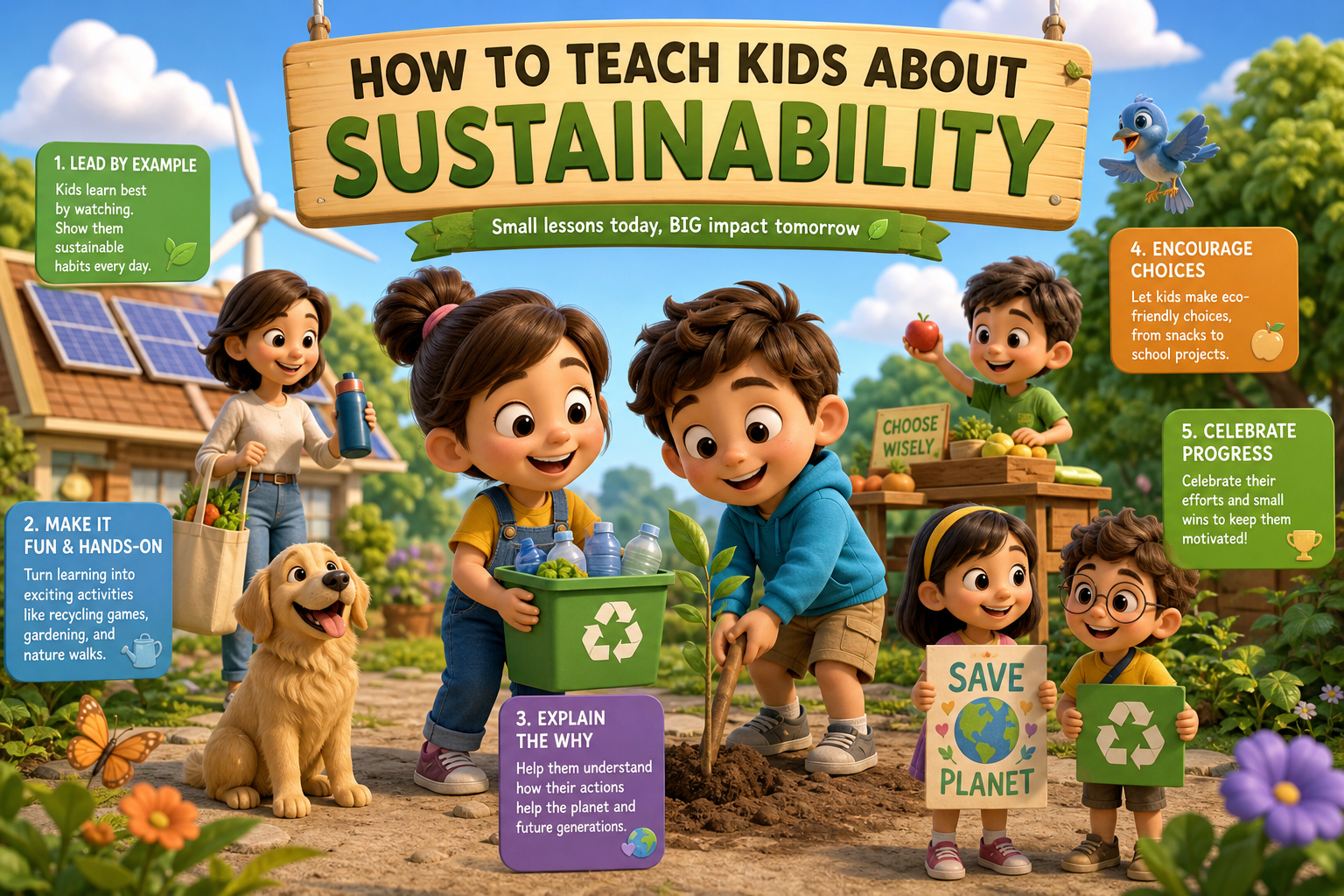
Introduction to Sustainability for Kids
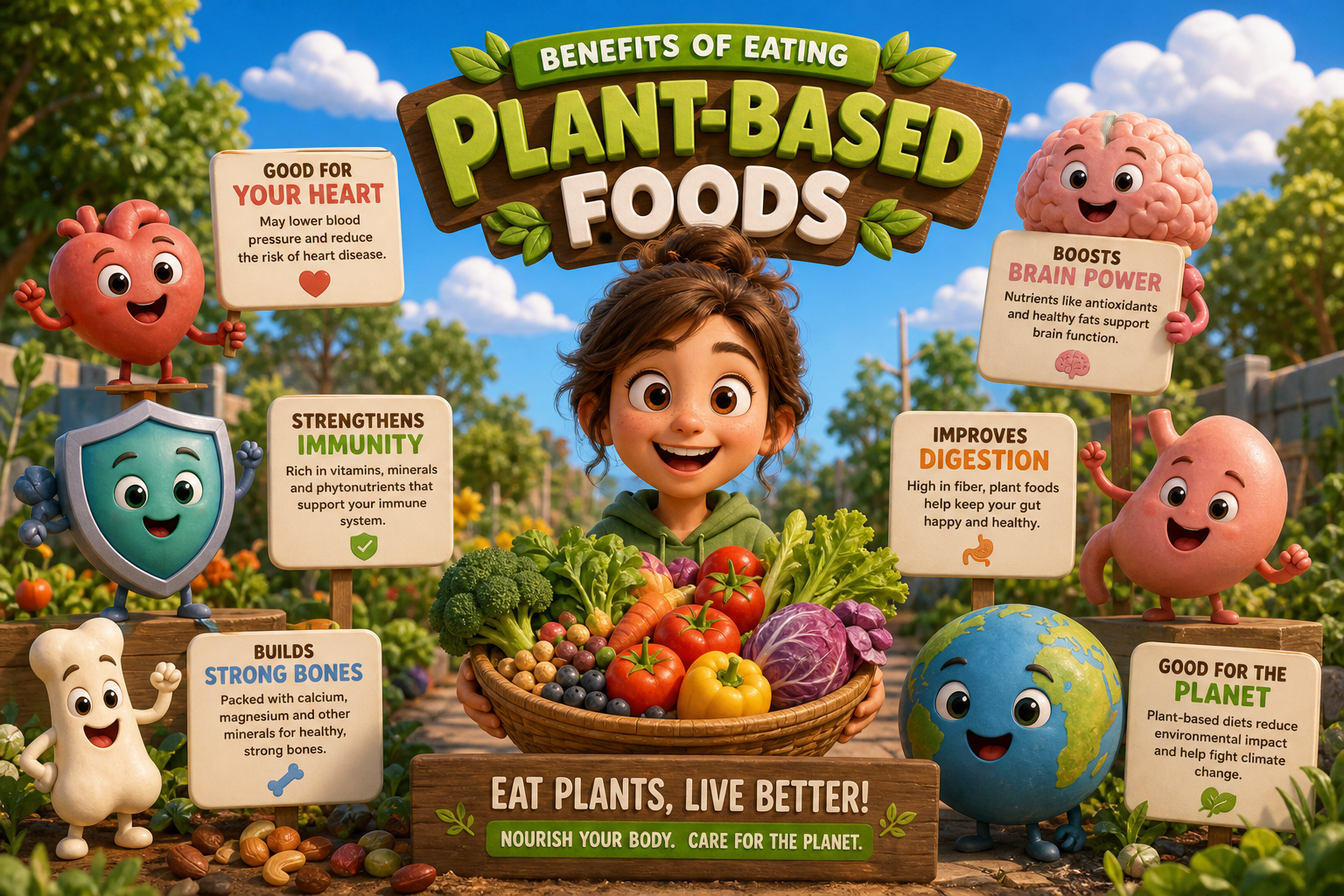
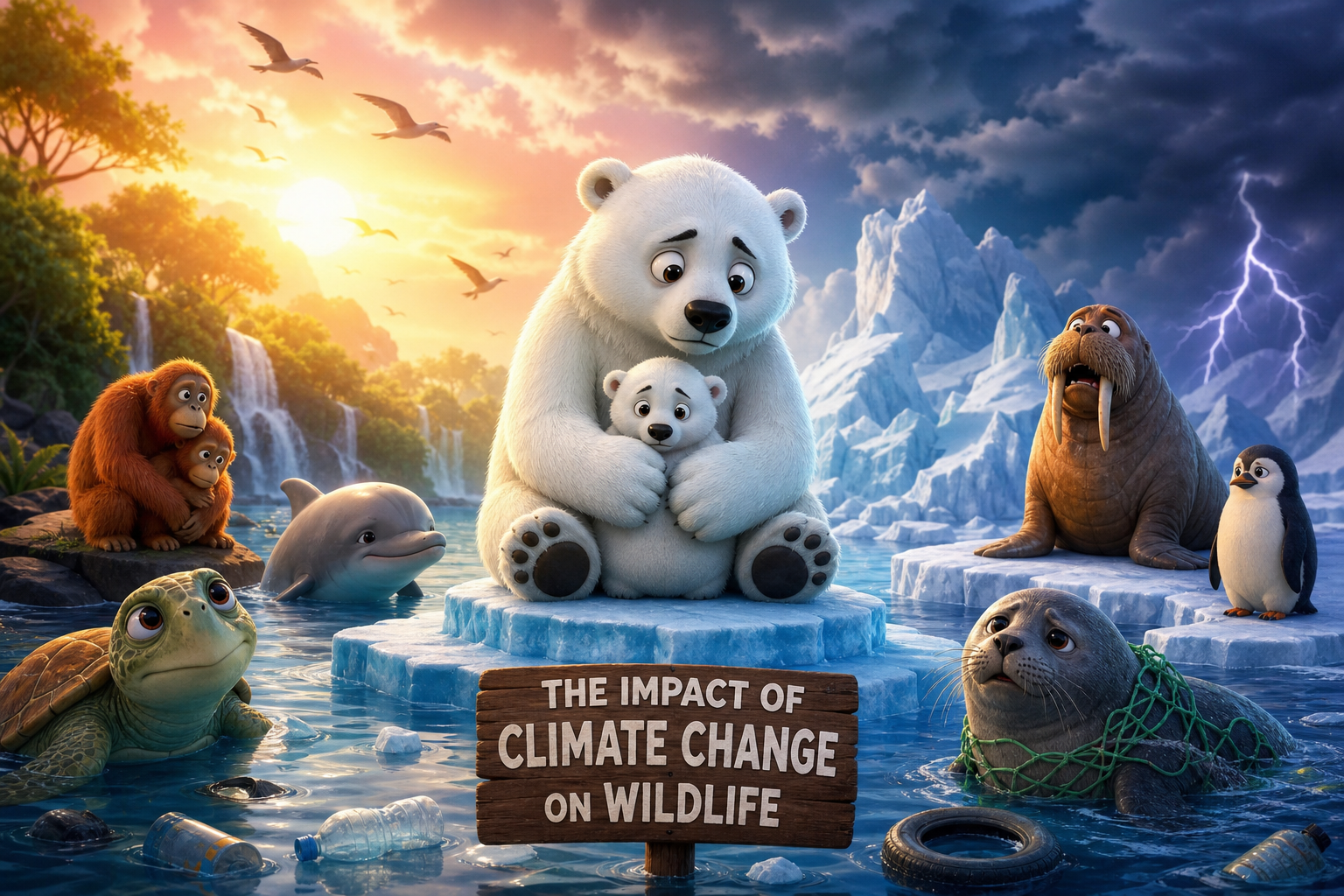
Teaching kids about sustainability is essential in today’s world. The term “sustainability” means meeting our needs without harming future generations. It involves protecting our environment, conserving resources, and promoting social responsibility. As we face climate change and environmental degradation, it is important to educate the younger generation. Kids who understand sustainability can make better choices and inspire others to do the same. By starting early, we can encourage a lifelong commitment to caring for our planet.
Understanding the Concept of Sustainability
To effectively teach kids about sustainability, we first need to explain the concept clearly. Begin with simple definitions and examples. Use relatable situations, such as recycling plastic bottles and conserving water at home. Discuss the importance of using renewable resources like solar and wind energy. You can even illustrate how trees produce oxygen, which is vital for life. Incorporate stories, videos, and illustrations to make the topic engaging. This foundational knowledge is essential for kids to grasp why sustainability matters.
Incorporating Outdoor Activities
Outdoor activities provide a fun way to teach kids about sustainability. Nature walks, gardening, and clean-up events are excellent options. On a nature walk, encourage kids to observe plants and animals. Discuss how each element plays a role in the ecosystem. Gardening teaches them about growing food and the importance of biodiversity. Organizing a community clean-up can show them the impact of littering and the importance of keeping their environment clean. These hands-on experiences help solidify their understanding of sustainability.
Using Educational Resources
Many resources are available to help teach kids about sustainability. Books, documentaries, and online courses can be incredibly useful. Look for age-appropriate books that cover topics like recycling, conservation, and climate change. Documentaries can provide visual explanations of how our actions affect the environment. Online platforms often have interactive games and quizzes that make learning fun. Take advantage of these tools to create a well-rounded educational experience. Combining different resources caters to various learning styles.
Creating Sustainable Practices at Home
Implementing sustainable practices at home is a practical way to teach kids. Start with small changes, like reducing plastic use and conserving water. Encourage kids to bring reusable bags when shopping or to use a refillable water bottle. Teach them how to sort waste into recycling and compost bins. Cooking meals together using local and seasonal ingredients can also be fun. Involving kids in these practices makes them feel responsible for their choices and helps them understand real-world applications of sustainability.
Engaging in Community Projects
Community involvement is vital in teaching kids about sustainability. Look for local projects that focus on environmental conservation, like tree planting or community gardens. Participating in these activities allows kids to see the impact of collective efforts. They learn that their actions can contribute to a larger goal. Encourage them to share their experiences with friends and family. This way, they can inspire others to join in and promote sustainability in the community.
Understanding the Impact of Consumption
Kids need to understand the impact of consumer choices on the environment. Discuss topics like fast fashion, food waste, and overconsumption. Explain how each of these contributes to pollution and resource depletion. Use real-life examples, such as how long it takes for plastic to decompose. Encourage them to think critically about their purchases. Ask questions like, “Do we really need this?” or “How does this affect the planet?” This helps them develop mindful consumption habits.
Promoting Eco-Friendly Habits
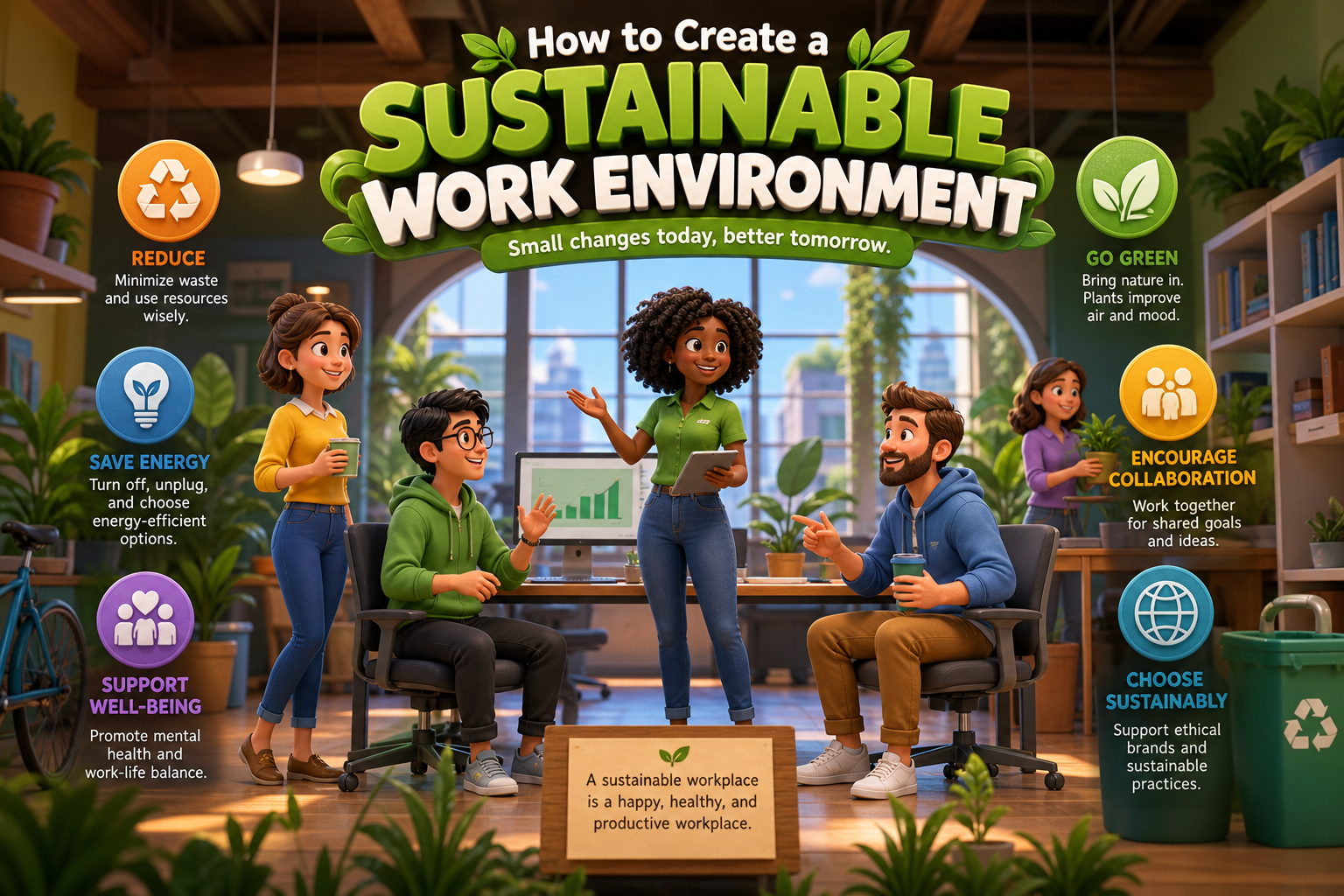
Encouraging eco-friendly habits is essential for kids. Teach them simple practices like turning off lights when leaving a room or riding bikes instead of driving short distances. Show them how to reduce food waste by planning meals and using leftovers creatively. Encourage them to use public transport or carpool when possible. These small actions can have a big impact over time. Make it a family challenge to see who can adopt the most eco-friendly habits. Celebrate their efforts to keep them motivated.
Inspiring through Role Models
Kids learn a lot from observing adults. Be a role model for sustainable living. Share your own sustainable choices and explain why you make them. Whether it is using a compost bin or choosing eco-friendly products, your actions speak volumes. Invite other family members or community leaders who practice sustainability to share their experiences. Hearing stories from different people can inspire kids to adopt similar practices. They may even come up with their own ideas to promote sustainability.
Encouraging Creativity in Sustainability
Creativity can play a significant role in teaching kids about sustainability. Encourage them to brainstorm sustainable solutions for everyday problems. Have them create art projects using recycled materials. Organize competitions for the best eco-friendly invention or idea. This not only makes learning fun but also empowers them to think outside the box. Creativity fosters innovation, which is important for finding sustainable solutions in the future. Encourage kids to share their ideas with others, creating a ripple effect of awareness.
Conclusion: The Importance of Teaching Kids About Sustainability
Teaching kids about sustainability is not just about education; it is about building a better future. By instilling these values early, we can empower the next generation to make informed decisions. They will learn to respect the environment, conserve resources, and promote social responsibility. As they grow, these lessons will shape their choices and influence their communities. Together, we can create a sustainable world for all. The journey starts with us, and it begins with our kids.