







The Rise of Solar Energy Innovations
In 2026, solar energy innovations are transforming how we harness the sun’s power. This renewable energy source is not just becoming more efficient but also more accessible. With advancements in technology, solar energy is now a leading choice for sustainable energy. Governments, businesses, and households are increasingly turning to solar solutions as a way to reduce carbon footprints and save on energy costs. The innovations in this field continue to emerge, making solar energy a key player in the global energy environment.
Advancements in Solar Panel Technology
Solar panel technology has seen remarkable advancements in recent years. One of the most significant innovations is the development of bifacial solar panels. These panels can capture sunlight from both sides, increasing energy production by up to 30%. This technology allows for more efficient use of space and maximizes energy output. Additionally, new materials such as perovskite are being used, which promise higher efficiency rates at a lower cost. Researchers are exploring the potential of these materials to create lightweight, flexible solar panels that can be integrated into various surfaces, including buildings and vehicles.
Flexible and Lightweight Solar Panels
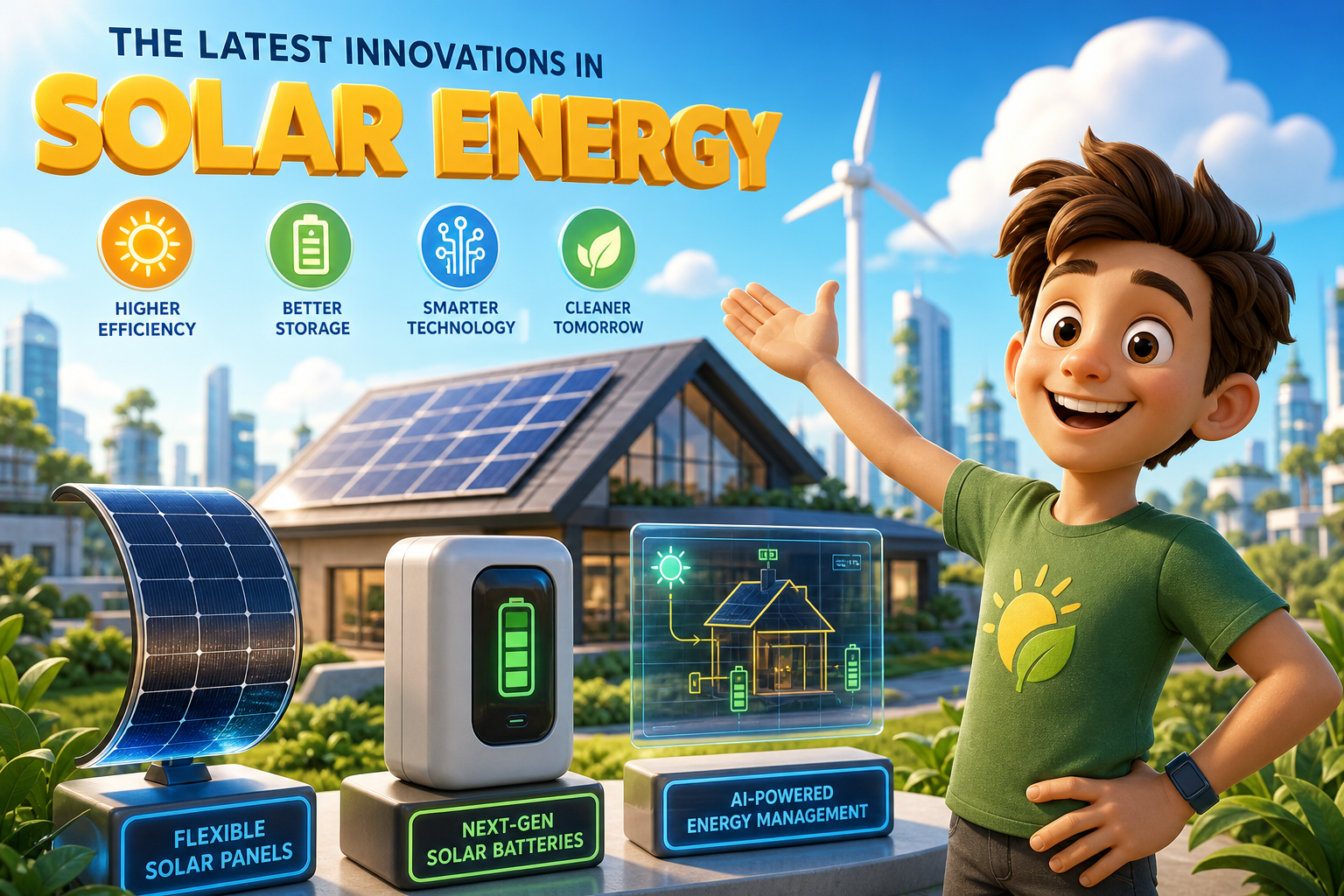
Flexible solar panels are a game changer for solar energy applications. Unlike traditional panels, these can be installed on curved surfaces, increasing design possibilities. For example, they can be used on rooftops that are not flat or even integrated into the fabric of clothing. This innovation opens up new markets and allows for solar energy use in areas previously considered impractical. The lightweight nature of these panels also reduces installation costs and makes transportation easier.
Solar Energy Storage Solutions
Energy storage remains a critical component of solar energy systems. In 2026, battery technology has advanced significantly, allowing for better storage solutions. Lithium-ion batteries are still popular, but new technologies such as solid-state batteries are beginning to emerge. These batteries offer higher energy densities and longer life cycles, making them an attractive option for solar energy systems. Improved energy storage means that users can store excess energy generated during sunny days for use during cloudy days or at night.
Integration with Smart Grids
The integration of solar energy storage with smart grid technology enhances energy management. Smart grids use digital technology to monitor and manage the distribution of electricity. They allow for real-time data analysis and can adjust energy distribution based on demand. This means that solar energy systems can efficiently supply power when needed while minimizing waste. Homeowners can monitor their energy use and optimize it, leading to significant savings on energy bills.
Innovative Solar Energy Applications
Solar energy applications have expanded far beyond traditional uses. In 2026, we see solar technology integrated into everyday items. For instance, solar windows convert sunlight into electricity while still functioning as regular windows. This dual purpose is a significant innovation, allowing buildings to generate power without affecting aesthetics. Additionally, solar-powered charging stations for electric vehicles are becoming more common. These stations allow drivers to charge their vehicles using clean energy, reducing reliance on fossil fuels.
Solar-Powered Desalination Plants
As water scarcity becomes a pressing global issue, solar-powered desalination plants are emerging as a sustainable solution. These plants use solar energy to convert seawater into fresh water, essential for regions facing water shortages. This innovation not only addresses water scarcity but also reduces the carbon footprint of the desalination process. By relying on solar power, these plants can operate efficiently and sustainably, providing clean drinking water to communities in need.
Government Incentives and Policies
Government policies play a significant role in the advancement of solar energy innovations. In 2026, many countries offer incentives to encourage solar energy adoption. Tax credits, rebates, and grants make it easier for businesses and homeowners to invest in solar technology. These policies help reduce the initial costs associated with solar installation, making it more accessible. Additionally, some governments are setting ambitious renewable energy targets, pushing industries to innovate and adopt solar solutions.
Community Solar Programs
Community solar programs are another innovative approach supported by governments. These programs allow multiple households to invest in a shared solar energy system. Participants benefit from reduced energy costs without needing to install solar panels on their properties. This model encourages community involvement in renewable energy initiatives and provides a practical solution for those unable to install solar panels due to financial or physical constraints.
Solar Energy and Artificial Intelligence
Artificial intelligence (AI) is making its mark in the solar energy sector. In 2026, AI technologies are being used to optimize solar energy systems. For example, AI algorithms can predict energy production based on weather patterns, allowing users to manage their energy consumption more effectively. This predictive analysis can help homeowners and businesses maximize their solar energy use while minimizing reliance on grid energy. Furthermore, AI is used in maintenance, predicting when equipment might fail, thus reducing downtime and costs.
Smart Solar Management Systems
Smart solar management systems powered by AI offer a streamlined way to monitor and control solar energy systems. These systems can analyze performance data, identify inefficiencies, and suggest improvements. Users can access this information through mobile apps, making it easy to stay informed about their energy production and consumption. As a result, users can make data-driven decisions to enhance their solar energy usage, leading to more savings and greater sustainability.
Solar Energy in Developing Countries
Solar energy is playing a vital role in developing countries, where access to electricity remains limited. In 2026, innovative solar solutions are helping to provide energy to remote areas. Off-grid solar systems allow communities to access electricity without the need for extensive grid infrastructure. These systems are often paired with energy storage solutions, ensuring reliable power even during low-sunlight periods. The affordability and scalability of solar technology make it an ideal solution for addressing energy poverty.
Solar Microgrids
Solar microgrids are small-scale energy systems that can operate independently from the main grid. These microgrids are particularly beneficial in rural areas where extending the grid is not feasible. By harnessing local solar energy, communities can generate their electricity, improving energy security and reducing costs. Microgrids also provide resilience in the face of natural disasters, ensuring that communities can maintain power even when the main grid fails.
Environmental Impact and Sustainability
As the world grapples with climate change, the environmental impact of solar energy innovations is a critical focus. In 2026, solar technology is recognized for its potential to significantly reduce greenhouse gas emissions. By switching to solar energy, individuals and businesses can contribute to a cleaner, more sustainable future. Furthermore, many solar products are now designed with sustainability in mind, using recyclable materials and reducing waste during production. This commitment to sustainability enhances the overall benefits of solar energy.
Life Cycle Assessment of Solar Products
Life cycle assessment (LCA) is a tool used to evaluate the environmental impact of solar products from production to end-of-life. In 2026, more companies are adopting LCA to ensure their products meet sustainability standards. This assessment helps identify areas where environmental impacts can be reduced, leading to more eco-friendly solar solutions. By focusing on the entire life cycle, manufacturers can create products that are not only efficient but also sustainable, aligning with the growing demand for responsible energy solutions.
The Future of Solar Energy Innovations
The future of solar energy innovations looks bright. Ongoing research and development promise to deliver even more efficient and cost-effective solutions in the coming years. As technology advances, we can expect to see improvements in solar panel efficiency, energy storage capabilities, and integration with other renewable sources. The potential for solar energy to play a dominant role in global energy production is high, as new innovations continue to emerge.
Collaborative Efforts in Renewable Energy Research
Collaboration among governments, private sectors, and research institutions is essential for advancing solar energy innovations. In 2026, many initiatives focus on sharing knowledge and resources to accelerate the development of new technologies. This collaborative approach fosters innovation and ensures that the benefits of solar energy reach a broader audience. As stakeholders work together, the pace of solar energy advancements will likely increase, driving the transition to a more sustainable energy future.
Conclusion: Embracing Solar Energy Innovations
In conclusion, the latest innovations in solar energy are shaping a sustainable energy future. From advancements in solar panel technology to the integration of AI, the solar industry is evolving rapidly. As governments and communities embrace these innovations, the potential for solar energy to power our lives grows. By investing in solar solutions, individuals and businesses can contribute to a cleaner, greener planet. The journey towards sustainable energy is underway, and solar energy innovations are at the forefront of this transformation.