






Understanding Sustainable Fashion
Sustainable fashion refers to clothing that is designed, produced, and consumed in a way that is environmentally friendly and socially responsible. This concept has gained popularity in recent years due to rising awareness about environmental issues. In 2026, more consumers are looking towards brands that prioritize sustainability. This shift is partly driven by the fashion industry’s impact on pollution and waste. For individuals, adopting a sustainable wardrobe means making choices that reduce harm to the planet.
Many people are now aware that fast fashion contributes significantly to pollution. The production processes often involve toxic chemicals and excessive water use. Moreover, clothing made from synthetic fibers can take hundreds of years to decompose. Thus, understanding sustainable fashion is the first step toward making a positive change. It involves considering the materials used, the lifecycle of the clothing, and the ethical practices of brands.
Assessing Your Current Wardrobe
The first action in making your wardrobe more sustainable is to assess what you already own. Take a good look at your clothing. Identify items you wear frequently and those you rarely touch. This process will help you understand your personal style and needs. Start by taking everything out of your closet. Lay it on your bed or floor. It will give you a clear picture of what you have.
Next, sort your clothes into three categories: keep, donate, and recycle. Keep the items you love and wear often. Donate clothes that are in good condition but do not fit your style anymore. For clothes that are too worn out, consider recycling them. Many local organizations and stores offer recycling programs. By assessing your wardrobe, you can make informed decisions about what to keep and what to let go.
Choosing Quality Over Quantity
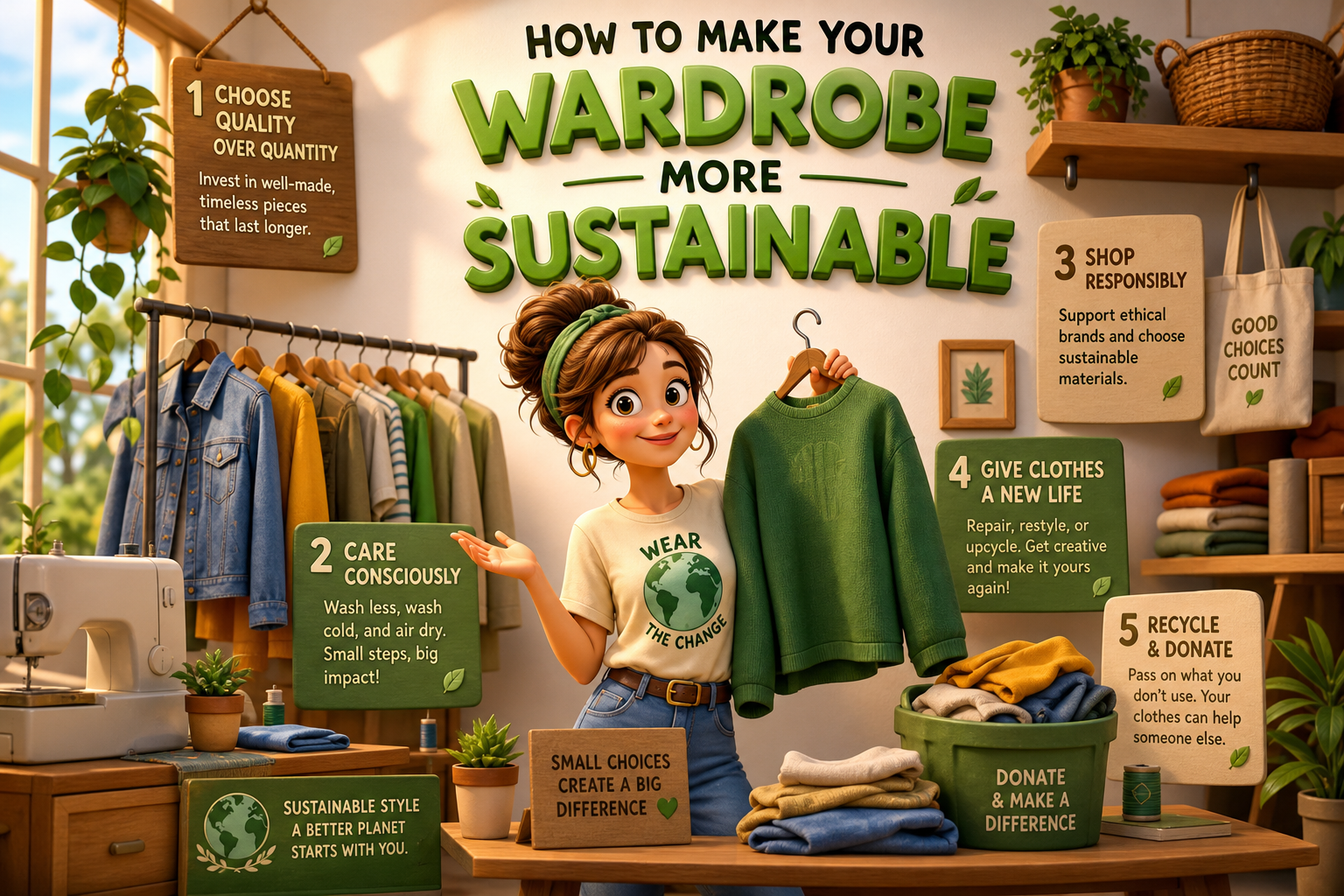
Investing in high-quality clothing is essential for creating a sustainable wardrobe. High-quality garments last longer and often look better than cheaper alternatives. In 2026, many brands focus on durability and timeless design. This means you can wear them for years without needing to replace them. When shopping, look for well-constructed items made from natural fibers. These materials are often more sustainable than synthetic options.
Consider shopping at thrift stores or second-hand shops. These places often have unique pieces that are not only affordable but also promote a circular economy. Buying second-hand helps reduce demand for new clothing. It also minimizes waste. You can find high-quality items that others have discarded, giving them a new life in your wardrobe. Remember, fewer but better pieces can lead to a more sustainable fashion choice.
Shopping Sustainably
When you do need to shop, make mindful choices. Research brands and their practices before making a purchase. Look for companies that prioritize sustainability in their production processes. Many brands now provide transparency about their materials and labor practices. In 2026, some websites and apps can help you find sustainable brands easily. This makes it easier to shop responsibly.
Additionally, consider the environmental impact of shipping. Opt for local brands when possible. Buying locally reduces the carbon footprint associated with transportation. Also, support brands that use eco-friendly packaging. Many sustainable brands are making strides in reducing plastic and waste in their shipping processes, which is a significant step toward sustainability.
Embracing Minimalism
Minimalism is a lifestyle choice that can significantly enhance your sustainable wardrobe. This approach encourages you to keep only what you truly need and value. By embracing minimalism, you can create a wardrobe filled with versatile pieces that mix and match easily. Fewer clothing items make it easier to maintain a stylish look without constant shopping.
Start by defining your personal style. Choose a color palette and stick to it. This will help you select pieces that coordinate well. Additionally, opt for multi-use garments. For example, a dress can be worn casually during the day and dressed up for an evening out. By thinking carefully about each purchase, you can create a minimal yet functional wardrobe that meets your needs without excess.
Taking Care of Your Clothes
Caring for your clothing is a vital aspect of sustainability. Proper maintenance can extend the life of your garments. In 2026, many people are learning about the importance of washing and storing clothes responsibly. First, wash your clothes in cold water. This not only saves energy but also helps preserve the fabric. Avoiding the dryer is another effective way to reduce energy consumption.
When possible, hand wash delicate items and air dry them. This method is gentler on fabrics and helps prevent damage. Also, learn how to repair minor issues like small tears or missing buttons. There are plenty of online tutorials that can guide you through these repairs. Taking care of your clothes adds to their longevity, which is a significant aspect of creating a sustainable wardrobe.
Participating in Clothing Swaps
Clothing swaps are an exciting way to refresh your wardrobe while practicing sustainability. These events allow people to exchange clothes they no longer want. Often, you can find great pieces without spending any money. In 2026, many communities organize clothing swap events, making it easier than ever to participate.
To host a clothing swap, gather friends or family members and set a date. Have everyone bring items they no longer wear. Set some simple rules about what to bring and how to swap. After everyone has laid out their clothes, take turns choosing items. This way, you will leave with new clothes while giving your old ones a new home. Not only is this fun, but it also promotes a sense of community while reducing waste.
Understanding Ethical Fashion
Ethical fashion goes hand-in-hand with sustainable fashion. It emphasizes fair labor practices and supports workers in the fashion industry. In 2026, more consumers are becoming aware of where their clothes come from. This awareness drives demand for brands that treat their workers fairly. When choosing clothing, look for brands that are transparent about their labor practices.
Many companies now provide details about their supply chains. They share information about worker conditions, wages, and environmental impact. Supporting ethical brands helps ensure that your clothing choices positively impact society. By prioritizing ethical fashion, you are investing in a fairer and more sustainable future for the industry.
Staying Informed and Engaged
Finally, staying informed about sustainable fashion trends is essential for making informed choices. Follow blogs, social media accounts, and websites dedicated to sustainable fashion. Many online communities share tips and resources for building a sustainable wardrobe. Engaging with others who share your values can motivate you to continue your journey toward sustainability.
In 2026, there are more resources available than ever to help you stay updated. Look for podcasts or documentaries that focus on sustainable fashion topics. Participating in discussions about sustainability can deepen your understanding and inspire you to take action. The more informed you are, the better choices you can make for your wardrobe.