






Introduction to Climate Change and Wildlife
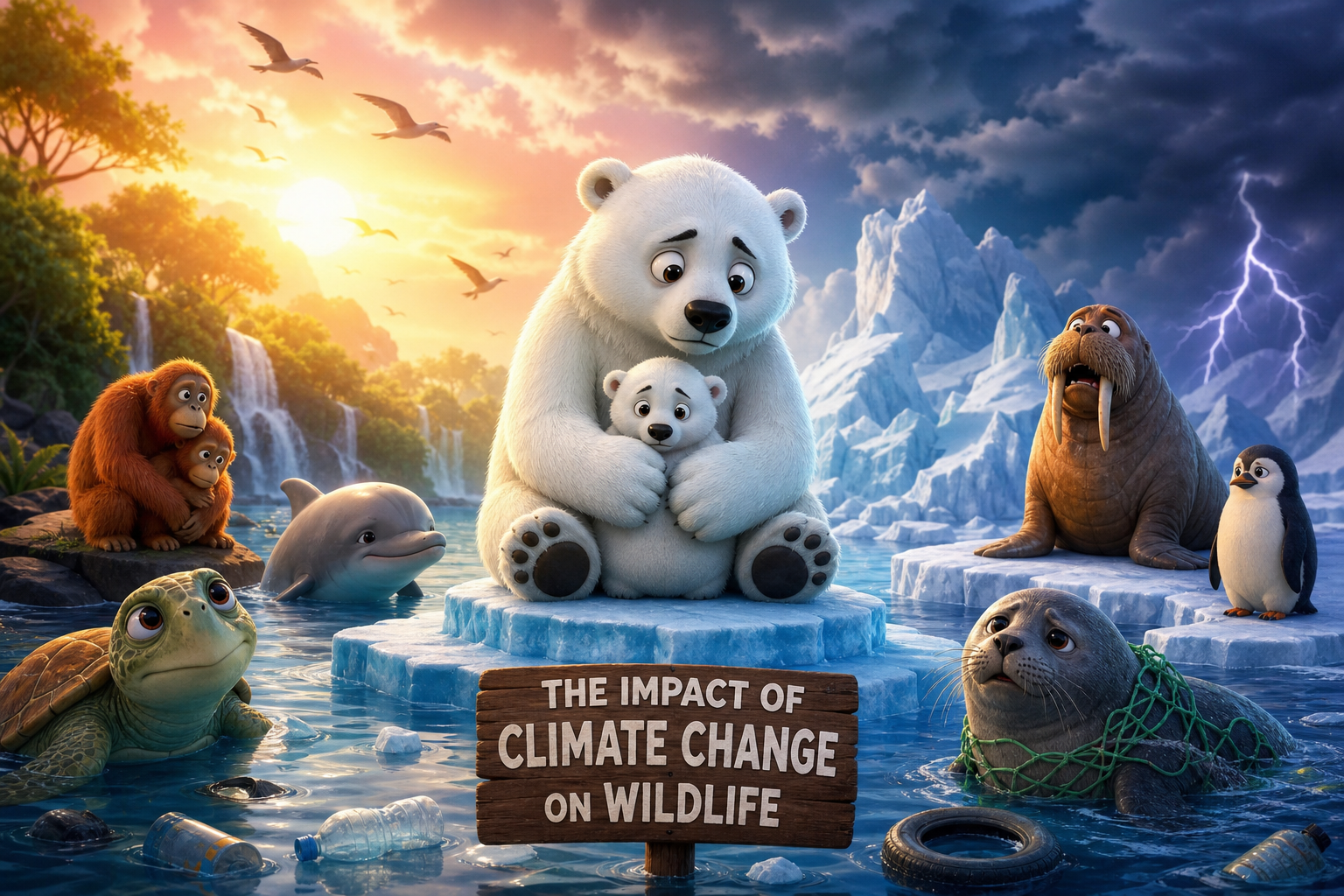
Climate change wildlife interactions are becoming increasingly critical to understand. As global temperatures rise, ecosystems are shifting, affecting various species across the planet. Wildlife is facing alterations in habitat, food availability, and migration patterns due to changing climates. The urgency to address these issues is essential as we manage through 2026. It is essential to examine how climate change impacts wildlife and what can be done to mitigate these effects.
Effects of Temperature Rise on Wildlife
One of the most direct impacts of climate change on wildlife is the increase in global temperatures. Many species are sensitive to temperature changes. For instance, polar bears depend on sea ice for hunting seals. As temperatures rise, sea ice melts faster, reducing their hunting grounds. Similarly, amphibians are highly susceptible to temperature fluctuations. A warmer climate can lead to more frequent heat waves, which can be lethal for these animals. To help wildlife adapt, conservation strategies must focus on protecting their habitats and ensuring connectivity between ecosystems.
Changing Habitats and Ecosystems
Climate change is altering habitats at an alarming rate. Forests, wetlands, and oceans are all experiencing shifts in their ecosystems. Many species are struggling to adapt. For example, as forests move northward due to rising temperatures, many animals find themselves without suitable living conditions. Coral reefs are also suffering from ocean warming, leading to coral bleaching. This phenomenon destroys vital marine habitats. Efforts to combat habitat loss include restoring degraded areas and creating wildlife corridors to support movement between habitats.
Impact on Migration Patterns
Many animals migrate to find food and suitable breeding grounds. However, climate change disrupts these patterns. Birds, for instance, may arrive at their breeding grounds too early due to warmer temperatures. This can lead to mismatches between their arrival and food availability. Similarly, sea turtles are known to change nesting sites in response to temperature changes. Protecting migration routes and timing is important for ensuring species can adapt. Conservationists can assist by monitoring migration patterns and adjusting protected areas accordingly.
Effects on Food Sources
Food availability is important for wildlife survival, and climate change threatens this balance. As temperatures rise, plants and insects may bloom earlier or later than usual. For example, certain flowers may bloom before pollinators emerge, disrupting the food chain. Herbivores may face challenges if their food sources become scarce or shift locations. To address these challenges, conservationists must work to understand and predict changes in food availability, ensuring that wildlife has access to sufficient resources.
Endangered Species and Climate Change
Many endangered species are particularly vulnerable to the effects of climate change. Species like the snow leopard and various amphibians are already under pressure from habitat loss and poaching. Climate change exacerbates these threats by altering their habitats and food sources. Conservation efforts must focus on protecting these species through habitat restoration and legal protections. Raising awareness about the plight of endangered species is essential for garnering public support and funding for conservation initiatives.
Ocean Acidification and Marine Life
As carbon dioxide levels rise, oceans absorb much of this gas, leading to ocean acidification. This change affects marine life, particularly organisms with calcium carbonate shells, such as oysters and corals. Coral reefs support diverse marine ecosystems and are critical for many fish species. The decline of coral reefs affects entire food webs. To combat ocean acidification, reducing carbon emissions is vital. Additionally, supporting marine protected areas can help safeguard these essential ecosystems.
Human-Wildlife Conflicts
As wildlife habitats shrink due to climate change, human-wildlife conflicts are becoming more frequent. Animals may encroach on agricultural lands in search of food, leading to crop damage and retaliation from farmers. This cycle can threaten both wildlife and livelihoods. Strategies to reduce these conflicts include implementing barriers like fences and educating communities on coexistence. Promoting sustainable farming practices can also help mitigate these issues, allowing both humans and wildlife to thrive.
Conservation Strategies for Climate Change
To address the impact of climate change on wildlife, effective conservation strategies are essential. Protected areas must be expanded and connected to allow species to migrate in response to changing climates. Restoration projects can rehabilitate degraded habitats. Moreover, community engagement is important for conservation success. Involving local populations in conservation efforts fosters a sense of ownership and responsibility. Education and outreach can empower communities to take action in protecting their local wildlife.
Role of Technology in Wildlife Conservation
In 2026, technology plays a significant role in wildlife conservation. Drones are increasingly used to monitor habitats and track wildlife movements. They offer a cost-effective way to gather data over large areas without disturbing animals. Additionally, GPS collars help researchers monitor animal behavior and migration patterns in real-time. Citizen science apps allow the public to participate in data collection, increasing awareness and engagement. Leveraging technology can enhance conservation efforts and provide critical insights into wildlife health.
Community Engagement and Education
Engaging communities in wildlife conservation is vital for long-term success. Education programs can raise awareness about the impacts of climate change and the importance of biodiversity. Schools can implement curricula that teach students about local wildlife and conservation efforts. Community events like clean-up days and wildlife watching tours foster a connection between people and nature. When communities are involved, they are more likely to support and participate in conservation efforts, creating a sustainable future for wildlife.
Conclusion: A Call to Action
As we face the challenges posed by climate change, the impact on wildlife and ecosystems cannot be ignored. Every action counts, whether it is advocating for stronger climate policies or participating in local conservation efforts. By working together, we can create a sustainable environment for wildlife and future generations. It is essential to stay informed, involved, and proactive in combating climate change. The future of our planet’s wildlife depends on our actions today.