







Understanding Composting
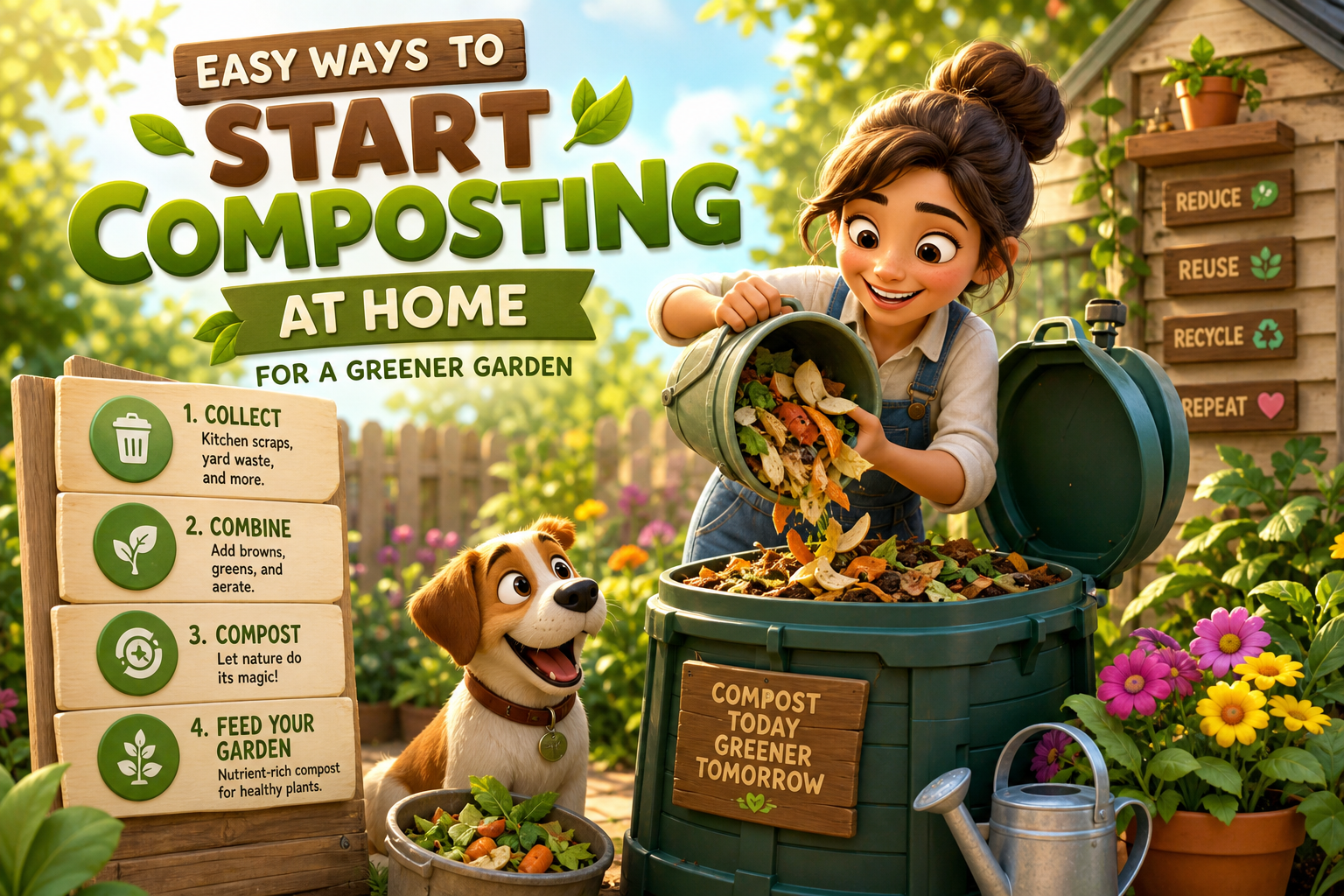
Composting at home is a great way to turn kitchen scraps and yard waste into rich, nutritious soil. This process not only reduces waste but also enriches your garden. Composting is natural. It involves breaking down organic materials with the help of microorganisms. These tiny organisms, along with worms and insects, work together to decompose the materials. As they do this, they create compost, a dark, crumbly substance full of nutrients. The benefits are numerous. You can improve your soil structure, reduce the need for chemical fertilizers, and help the environment by lowering landfill waste.
Choosing the Right Compost Bin
When starting composting at home, selecting the right compost bin is essential. There are many options available in 2026, from homemade bins to store-bought ones. You can use a simple plastic container or build a wooden bin. Consider the size based on your space and the amount of waste you produce. A bin should be at least three feet tall and wide for effective composting. If you have limited space, a small bin or even a compost tumbler will work. Tumble bins are great because they mix the materials easily. Ensure your bin has proper ventilation. Good airflow helps speed up the composting process.
What to Compost
Knowing what materials to add to your compost bin is key. Compostable materials are generally divided into two categories: greens and browns. Greens include kitchen scraps like fruit and vegetable peels, coffee grounds, and grass clippings. These provide nitrogen, which is essential for microbial growth. Browns include dry leaves, cardboard, and straw. These materials add carbon which helps balance the compost. Avoid adding meat, dairy, and oily foods, as they can attract pests and create odors. A good rule is to use three parts browns to one part greens for the best results.
How to Maintain Your Compost
Maintaining your compost is important for successful decomposition. Start by turning your compost every few weeks. This aerates the pile and helps it decompose faster. If your compost smells bad, it might be too wet or have too many greens. Add more browns to balance it out. Water is also important. Your compost should feel like a damp sponge. If it is too dry, add some water, but do not soak it. Monitoring the temperature is also helpful. A hot pile indicates active decomposition, which is a good sign.
Using Compost in Your Garden
Once your compost is ready, it is time to use it in your garden. Well-made compost is dark, crumbly, and has an earthy smell. You can use it in several ways. Mix it into your garden beds to enrich the soil before planting. You can also use it as mulch around your plants, which helps retain moisture and suppress weeds. Additionally, compost can be used to make compost tea. This is a liquid fertilizer you can water your plants with. Just steep some compost in water for a few days, strain it, and then use the liquid for your plants.
Common Composting Mistakes
Even experienced composters can make mistakes. One common mistake is not balancing greens and browns. Too many greens can lead to a smelly pile, while too many browns can make compost too dry. Another mistake is not turning the pile regularly. This can slow down the composting process. Some people also add non-organic materials like plastic or metal, which should not be composted. Lastly, be cautious with the size of materials. Large pieces decompose slowly. Always chop or shred materials to speed up the process. Learning from these mistakes can help improve your composting skills.
Composting in Small Spaces
If you live in an apartment or have limited outdoor space, you can still compost at home. Many people in urban areas use indoor compost bins or worm bins. These compact systems are designed for small spaces. A worm bin, or vermicomposting, uses red worms to break down food scraps. It is odor-free and can fit under your kitchen sink. For those with a balcony, a small outdoor bin or tumbler is an option. You can also join a local community garden that has composting facilities. This way, you can contribute to composting efforts without needing a lot of space.
Getting Others Involved
Composting at home can be more fun and effective when you involve others. Start by sharing your composting journey with friends and family. Teach them about the benefits and how to compost. You can even start a community composting program in your neighborhood. Encourage people to drop off their kitchen scraps. This not only helps reduce waste but also creates a sense of community. Organize workshops to teach newcomers the basics of composting. Sharing your successes and challenges can inspire others to start their own composting practices. Remember, every little effort counts towards a greener planet.