








Understanding Your Carbon Footprint
To effectively reduce your carbon footprint, it is important to first understand what it is. A carbon footprint measures the total greenhouse gases emitted directly or indirectly by an individual, organization, or product. This measurement is expressed in units of carbon dioxide equivalent (CO2e). Every action we take, from driving to using electricity, contributes to our overall carbon footprint. In 2026, with climate change becoming an urgent issue, tracking and reducing our carbon footprint has never been more critical.
Many households in 2026 still do not realize the substantial impact their daily activities have on the environment. For example, the average American household generates about 7.5 metric tons of CO2 each year. This number can vary based on factors such as location, energy sources, and lifestyle choices. By understanding your household’s unique carbon footprint, you can target specific areas for improvement.
To calculate your carbon footprint, consider using online calculators available in 2026. These tools take into account your energy use, transportation habits, and waste production. Knowing your current footprint allows you to set realistic goals for reduction, making it possible to measure your progress over time.
Energy Efficiency at Home
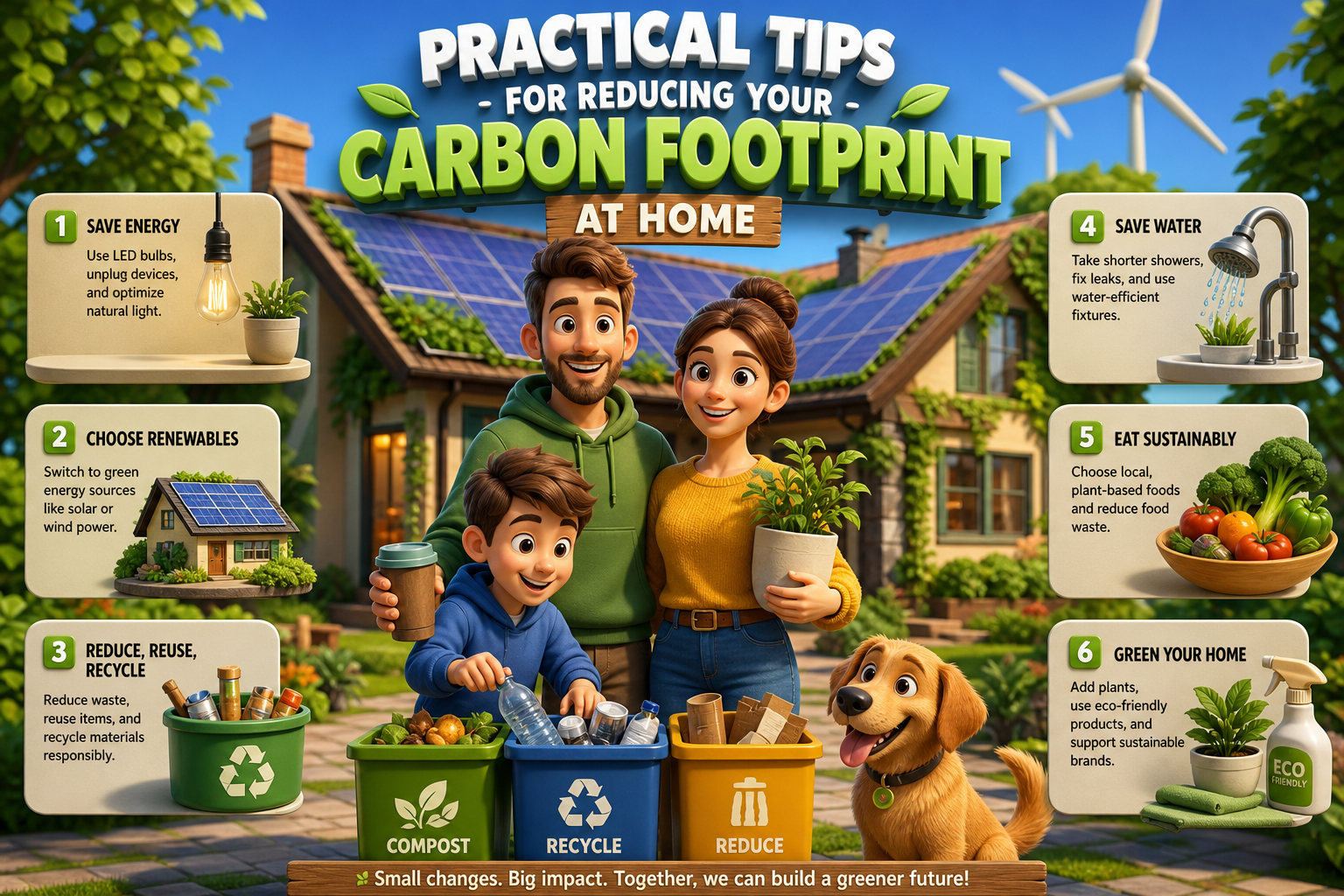
Improving energy efficiency is one of the most effective strategies for reducing your carbon footprint. Start by evaluating your home’s insulation. Proper insulation keeps your home warm in winter and cool in summer, minimizing the need for heating and cooling systems. In 2026, consider options like spray foam insulation or reflective roof coatings to enhance your home’s performance.
Next, upgrade to energy-efficient appliances. Look for the ENERGY STAR label when purchasing new appliances. These products use less energy and water than standard models. For instance, ENERGY STAR refrigerators can save you about 10-15% in energy costs. Changing light bulbs to LED options is another quick win. LEDs consume up to 80% less energy than traditional incandescent bulbs, lasting significantly longer.
Additionally, consider implementing smart home technology. Devices like smart thermostats or smart plugs allow you to monitor and control energy consumption from your phone. This not only enhances convenience but also helps you reduce unnecessary usage, leading to lower energy bills and a smaller carbon footprint.
Water Conservation Practices
Water conservation is equally important when discussing carbon footprints. Heating water consumes a significant amount of energy, which contributes to emissions. Therefore, reducing water usage can directly lower your carbon footprint. Start by fixing leaks in faucets and toilets, as even a small leak can waste gallons of water each day.
In 2026, consider installing low-flow fixtures. Low-flow showerheads can reduce water usage by 50% without sacrificing performance. Similarly, dual-flush toilets help you save water by allowing you to choose between a full or half flush. Furthermore, mindful practices like taking shorter showers and turning off the tap while brushing teeth can contribute to significant water savings.
Rainwater harvesting is another effective method. By collecting rainwater from your roof, you can use it for irrigation, reducing your reliance on municipal water systems. This not only conserves water but also decreases the energy needed to transport and treat water.
Reducing Waste and Recycling
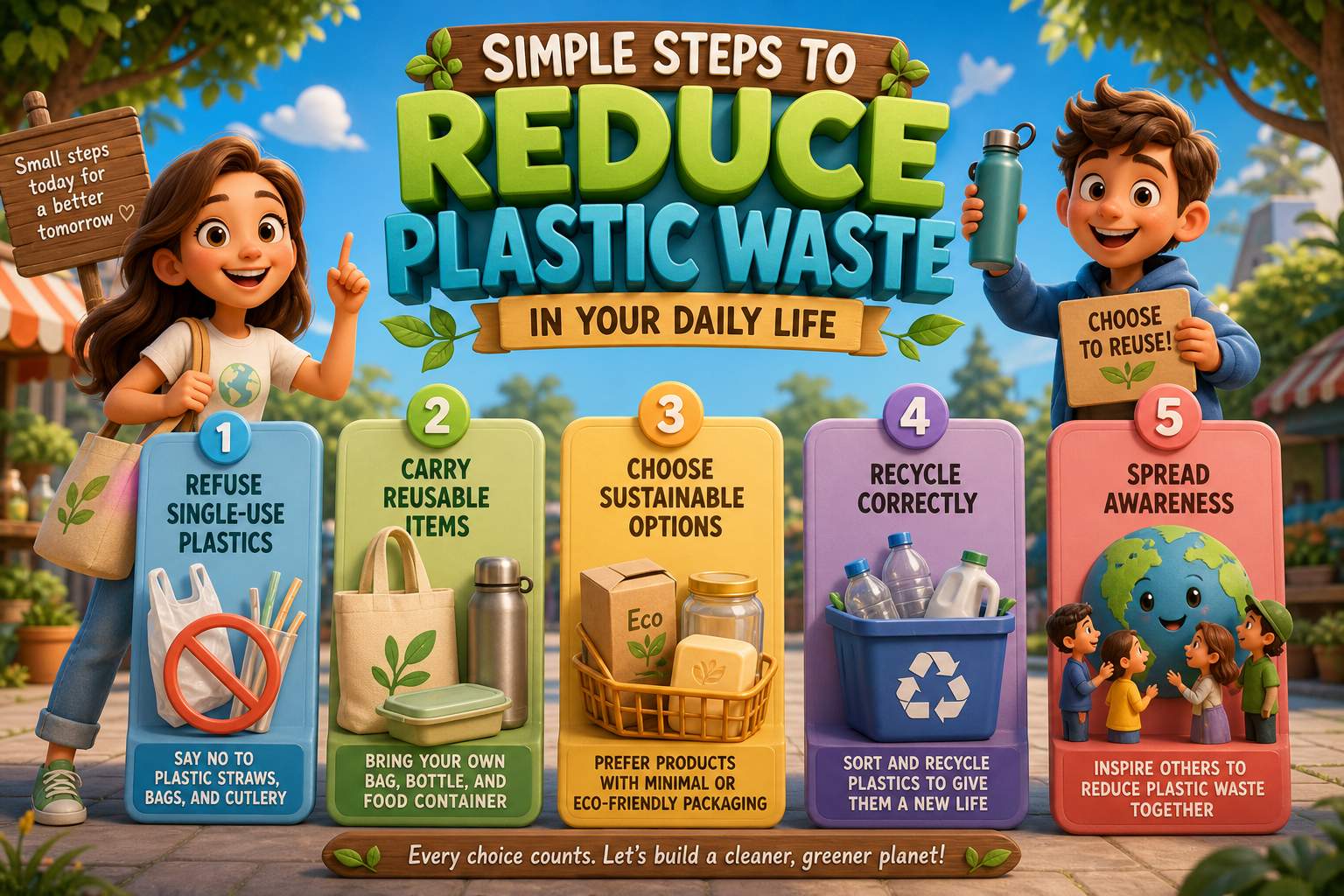
Waste generation is a major contributor to greenhouse gas emissions. In 2026, many communities are focusing on zero-waste initiatives, making it easier for residents to reduce their waste footprint. Begin by assessing your waste production. Identify items you throw away regularly and explore alternatives. For example, instead of disposable plates or cutlery, invest in reusable options.
Composting is another practical option. Composting food scraps and yard waste not only reduces landfill waste but also creates nutrient-rich soil for gardening. Many cities offer composting programs, making it easy to participate. Even if you do not have a garden, you can still compost, as many community gardens are happy to accept food scraps.
Recycling correctly is important. In 2026, make sure you understand your local recycling rules. Contamination can lead to entire batches of recyclables being sent to the landfill. Clean and dry items before recycling, and avoid wish-cycling, which is placing non-recyclable items in bins hoping they will be recycled.
Eco-Friendly Transportation Options
Transportation is one of the largest contributors to individual carbon footprints. In 2026, many people are looking for ways to lessen their impact while still getting around. If possible, consider walking or biking for short trips. Not only does this reduce emissions, but it also promotes a healthier lifestyle.
For longer distances, public transportation is an excellent option. Buses, trains, and subways have lower emissions per passenger compared to individual car travel. In many urban areas, public transit is more efficient and affordable than driving. If you must drive, try carpooling with friends or neighbors to share the ride and cut down on emissions.
Electric and hybrid vehicles are also becoming more accessible in 2026. Many governments offer incentives for purchasing these vehicles, making them a cost-effective choice. Charging stations are increasingly common, and the technology continues to improve, offering longer ranges and faster charging times.
Supporting Sustainable Products and Services
Choosing sustainable products is another effective way to reduce your carbon footprint. In 2026, there is a growing market for eco-friendly products. From cleaning supplies to personal care items, many brands are committed to reducing their environmental impact. Look for products with minimal packaging or those made from recycled materials.
Locally sourced foods are also a great choice. Buying food from local farmers markets reduces the carbon footprint associated with transportation. Plus, local produce is often fresher and tastier. If you can, consider growing your own fruits and vegetables. Gardening not only provides fresh food but also helps sequester carbon in the soil.
Moreover, supporting businesses that prioritize sustainability can help drive larger change in the market. Many companies are now transparent about their supply chains and environmental practices. By choosing to patronize these businesses, you contribute to a more sustainable economy.
Educating and Involving Your Family
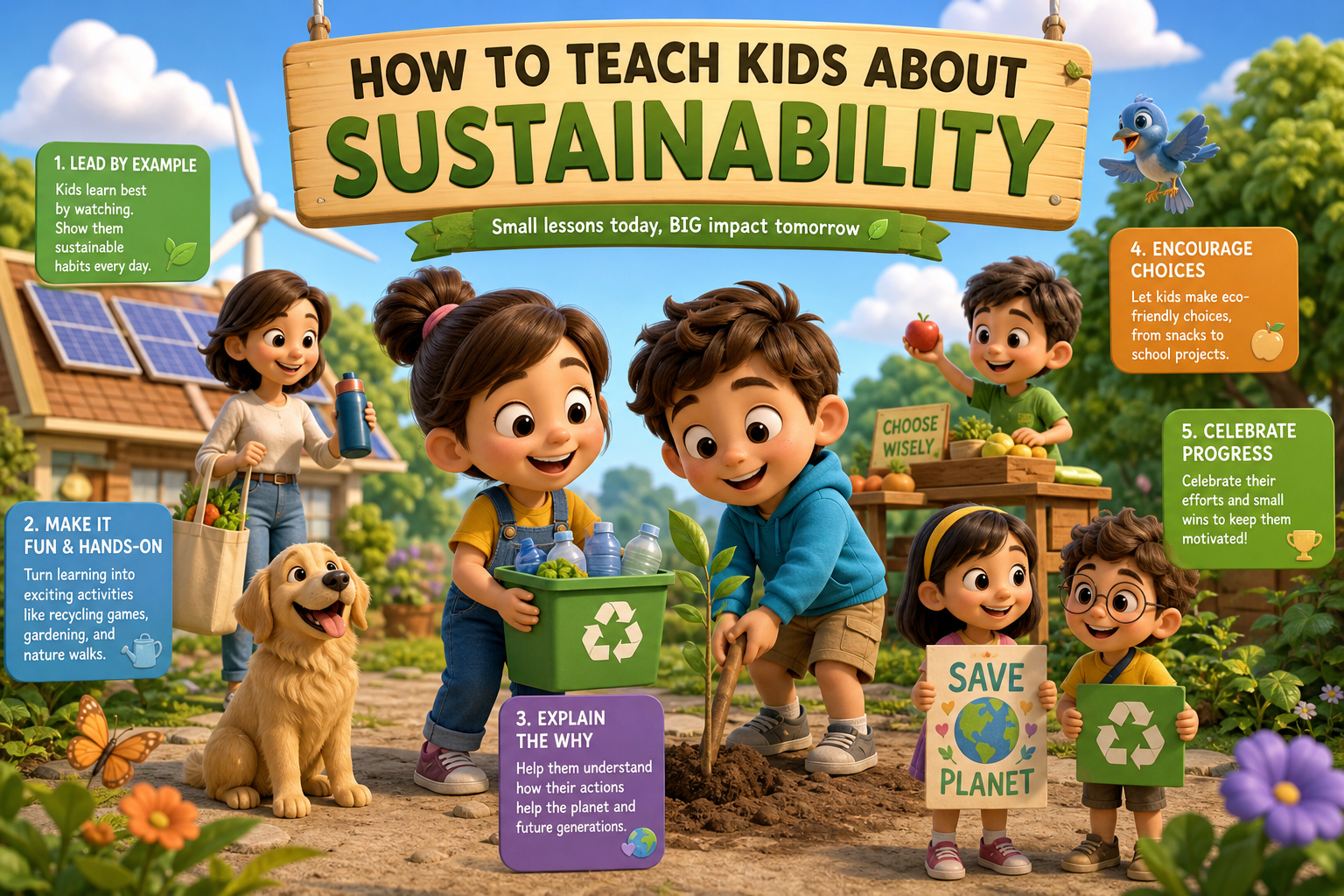
Reducing your carbon footprint is more effective when the whole family is involved. Start by educating your family about climate change and why it is essential to take action. Discuss your household goals and how each member can contribute. This not only fosters a sense of responsibility but also encourages teamwork.
In 2026, consider organizing family projects focused on sustainability. This could include a family garden, where everyone can help grow vegetables, or a recycling challenge to see who can recycle the most items in a month. Fun family activities can instill lifelong habits and a deeper appreciation for the environment.
Additionally, engage in community events focused on sustainability. Many local organizations host clean-up days, tree planting, and educational workshops. Participating in these activities not only strengthens family bonds but also connects you with others who share similar values.
Setting Goals and Tracking Progress
Finally, setting goals for reducing your carbon footprint is essential. Start small and gradually increase your efforts. For instance, aim to reduce energy consumption by 10% over the next year. As you achieve these goals, set new ones to continue your progress. In 2026, many apps and online tools can help you track your energy usage, waste production, and transportation habits.
Creating a visual representation of your progress can be motivating. Consider using a chart or a journal to record changes over time. Celebrate your achievements, no matter how small. Every step counts in the fight against climate change.
Engaging with online communities focused on sustainability can also provide support and inspiration. Sharing experiences and tips with others can help you stay motivated and discover new strategies for reducing your carbon footprint.