









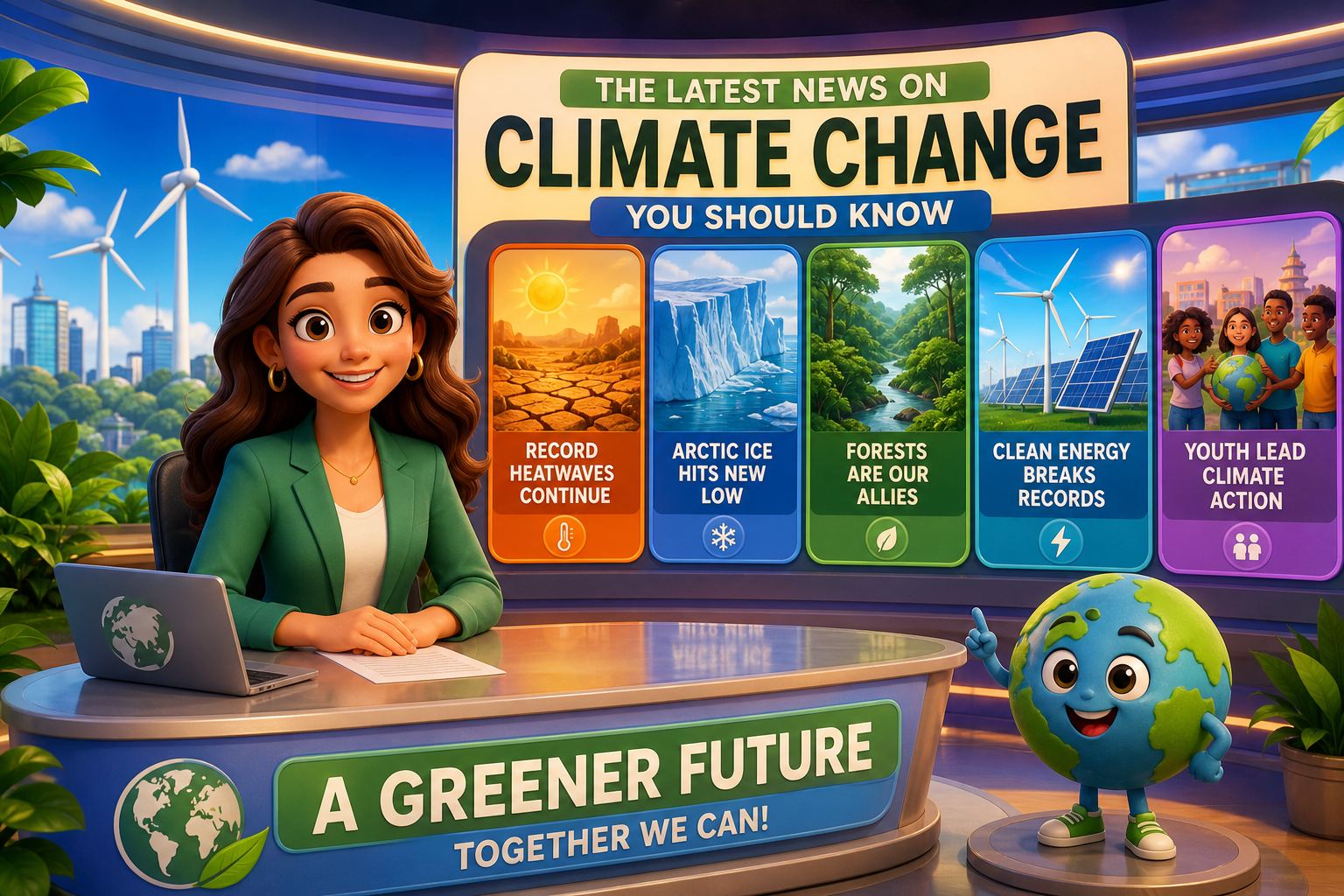
The Current State of Climate Change in 2026
Climate change is one of the biggest challenges we face today. In 2026, the impacts of climate change are more evident than ever. Rising temperatures, extreme weather events, and shifting ecosystems highlight the urgency of this issue. According to the latest reports, global temperatures have increased by approximately 1.5 degrees Celsius since the late 19th century. This rise is a direct result of human activities, primarily the burning of fossil fuels. The Intergovernmental Panel on Climate Change (IPCC) has warned that we must limit warming to below 1.5 degrees to avoid catastrophic consequences. But, achieving this goal requires immediate and sustained global action.
Recent studies show that climate change is leading to more frequent and severe weather events. For instance, hurricanes have become more intense, and wildfires are raging across continents. The 2026 Atlantic hurricane season has seen several record-breaking storms, causing significant damage in coastal areas. Moreover, droughts have become commonplace, affecting agriculture and drinking water supplies. These changes pose a serious threat to food security and public health worldwide.
In response to these challenges, many countries are implementing stricter environmental policies. Nations are investing in renewable energy sources, such as solar and wind power, to reduce their reliance on fossil fuels. This transition is important to lowering greenhouse gas emissions and mitigating climate change. However, the pace of change varies widely across different regions. Some countries are making significant progress, while others lag behind. Understanding these variations is key to addressing the global climate crisis effectively.
Global Climate Agreements in 2026
Global climate agreements play a important role in the fight against climate change. As of 2026, the Paris Agreement remains a cornerstone of international climate efforts. It aims to limit global warming to well below 2 degrees Celsius, with a target of 1.5 degrees if possible. Countries are required to submit their greenhouse gas reduction plans, known as Nationally Determined Contributions (NDCs), every five years. In 2026, many nations are updating their NDCs to reflect more ambitious climate goals.
However, the effectiveness of these agreements largely depends on countries’ willingness to follow through. Some nations have made impressive commitments, such as achieving net-zero emissions by 2050. Others continue to rely heavily on fossil fuels, undermining collective efforts. In recent climate conferences, discussions about financial support for developing countries have been prominent. Many of these nations lack the resources to implement effective climate strategies, making international cooperation essential.
In addition to the Paris Agreement, new initiatives are emerging. For example, the Global Methane Pledge aims to reduce methane emissions by 30% by 2030. Methane is a potent greenhouse gas that contributes significantly to global warming. Efforts to curb methane emissions include improved agricultural practices and reducing waste in landfills. These initiatives show promise but require global commitment and action to be effective.
Impact of Climate Change on Biodiversity
Biodiversity is essential for the health of our planet. However, climate change poses a significant threat to ecosystems and the species that inhabit them. In 2026, reports indicate that many species are struggling to adapt to rapidly changing environments. For instance, coral reefs are facing severe bleaching due to rising ocean temperatures. This not only affects marine life but also impacts communities that rely on fishing and tourism.
Moreover, shifting weather patterns are altering habitats. Animals may migrate to cooler areas, but not all can keep up with the pace of climate change. This can lead to population declines and even extinction for some species. In the Amazon rainforest, deforestation combined with climate change is putting countless species at risk. Protecting biodiversity is important for maintaining ecosystem services, such as pollination and clean water.
Conservation efforts are more important than ever. Many organizations are working to protect vulnerable species and restore damaged habitats. For example, reforestation projects aim to restore ecosystems while also sequestering carbon. This dual benefit highlights the importance of addressing climate change while preserving biodiversity. Individuals can also play a role by supporting sustainable practices and reducing their environmental footprint.
Renewable Energy Trends in 2026
Renewable energy is a fundamental part of the solution to climate change. In 2026, the global transition to renewable energy sources is gaining momentum. Solar, wind, and hydroelectric power are becoming increasingly cost-effective and widely adopted. According to recent data, renewables accounted for over 50% of global electricity generation for the first time this year. This shift is a significant step toward reducing greenhouse gas emissions.
Solar energy, in particular, has seen rapid growth. Advances in technology have made solar panels more efficient and affordable. Many households and businesses are now investing in solar installations. Governments are also providing incentives to encourage this transition. Wind energy is another area experiencing growth, with offshore wind farms being developed in various regions. These projects not only produce clean energy but also create jobs and stimulate local economies.
However, transitioning to renewable energy requires overcoming challenges. Energy storage technology is important to managing the intermittent nature of renewables. Innovations in battery technology are making it possible to store excess energy for later use. Additionally, integrating renewable energy into existing grids is essential for maximizing its potential. Policymakers and industry leaders must work together to address these challenges and ensure a smooth transition.
Climate Change and Public Health
The relationship between climate change and public health is increasingly recognized. In 2026, the impacts of climate change on health are becoming more apparent. Extreme heat events can lead to heat-related illnesses and increased mortality rates. Vulnerable populations, such as the elderly and those with pre-existing conditions, are at higher risk. Moreover, rising temperatures can exacerbate air pollution, leading to respiratory issues.
In addition to direct health effects, climate change influences the spread of infectious diseases. Warmer temperatures can expand the habitats of disease-carrying vectors, such as mosquitoes. This can lead to increased cases of diseases like malaria and dengue fever. Flooding and heavy rainfall can also contaminate water supplies, leading to waterborne illnesses. These health threats highlight the need for a comprehensive approach to climate change.
Public health organizations are working to address these challenges. Many are integrating climate change into their planning and response strategies. For instance, cities are developing heat action plans to protect vulnerable populations during extreme heat events. Individuals can also take steps to safeguard their health, such as staying informed about local air quality and heat warnings. By understanding the risks, we can better protect ourselves and our communities.
Innovations in Climate Technology
Innovation plays a vital role in addressing climate change. In 2026, numerous technologies are emerging to help mitigate its effects. Carbon capture and storage (CCS) is one such technology. It captures carbon dioxide emissions from power plants and industrial sources, preventing them from entering the atmosphere. This technology has the potential to significantly reduce emissions from fossil fuel use.
Another exciting development is the rise of electric vehicles (EVs). EVs are becoming more mainstream, with major automakers investing heavily in this technology. In 2026, electric cars make up a large portion of new vehicle sales. This shift not only reduces greenhouse gas emissions but also improves air quality in urban areas. Battery technology is also improving, leading to longer ranges and shorter charging times.
Moreover, advancements in sustainable agriculture are gaining attention. Precision farming techniques utilize data and technology to optimize crop yields while minimizing environmental impact. This approach can reduce the carbon footprint of food production and enhance food security. As these innovations continue to evolve, they offer hope for a more sustainable future. Governments and businesses must support the development and implementation of these technologies to maximize their impact.
Individual Actions to Combat Climate Change
While global and national efforts are important, individual actions also play a significant role in combating climate change. In 2026, more people recognize the importance of personal responsibility in this fight. Simple lifestyle changes can make a big difference. For example, reducing meat consumption can lower your carbon footprint. The meat industry is a significant contributor to greenhouse gas emissions, so choosing plant-based options can help.
Another effective action is reducing energy consumption at home. Small changes, such as using energy-efficient appliances and switching to LED lighting, can lead to substantial savings. Additionally, consider using public transportation or carpooling whenever possible. These actions not only reduce emissions but also promote healthier lifestyles.
Engaging in community initiatives is another way to make an impact. Many communities have local environmental groups focused on sustainability. Joining these groups can provide opportunities to participate in tree planting, clean-up events, and educational programs. Collective efforts amplify individual actions, fostering a greater impact on climate change. Remember, every small step counts in the fight for a sustainable future.
Climate Change Education and Awareness
Education is a powerful tool in the battle against climate change. In 2026, raising awareness about climate issues is more important than ever. Schools, organizations, and communities are increasingly incorporating climate education into their programs. Teaching the next generation about the causes and effects of climate change can empower them to take action in their lives.
Many educational institutions are adopting sustainability initiatives. Schools are implementing programs to reduce carbon footprints, such as recycling and energy conservation. These efforts not only teach students about climate change but also instill a sense of responsibility toward the environment. Additionally, online platforms provide accessible resources for anyone interested in learning more about climate issues.
Social media also plays a significant role in spreading awareness. Influencers and activists use these platforms to share information and mobilize communities. Campaigns focused on climate action can reach millions, encouraging more people to get involved. By fostering a culture of awareness and action, we can inspire collective efforts to combat climate change.
The Future of Climate Change Initiatives
Looking ahead, the future of climate change initiatives is both challenging and promising. In 2026, the urgency for action is greater than ever, and the path forward will require collaboration among governments, businesses, and individuals. Many experts believe that achieving significant reductions in greenhouse gas emissions is still possible, but it requires a concerted effort.
Innovative policies and technologies will play a vital role in shaping the future. Governments must prioritize climate action in their agendas, implementing policies that promote renewable energy, sustainable agriculture, and conservation. Businesses also have a responsibility to adopt sustainable practices and invest in clean technologies. Stakeholders must work together to create a resilient economy that prioritizes environmental sustainability.
Moreover, public engagement will be essential. As more people understand the importance of climate action, grassroots movements will continue to grow. These movements can influence policymakers and drive change at all levels. The future of climate change initiatives depends on our collective willingness to act now. Together, we can build a sustainable future for generations to come.