







Understanding Energy Consumption
Energy consumption is a key topic in our daily lives. Each appliance and electronic device we use consumes energy. This energy comes from various sources like electricity, gas, or oil. Understanding how much energy you use helps you identify ways to save energy. For instance, did you know that heating and cooling systems account for nearly half of the energy usage in homes? By being aware of your energy consumption, you can take better control of your bills.
One effective method to track your energy consumption is by using smart meters. These devices provide real-time data on how much energy you are using. This allows you to see which devices consume the most energy and when. By keeping track of your usage, you can make informed decisions about when to use certain appliances, helping you save energy and reduce costs.
Another useful tool is an energy audit. Many utility companies offer free energy audits to their customers. They will assess your home and recommend ways to improve energy efficiency. This simple step can lead to significant energy savings in the long run. Understanding your energy consumption is the first step toward becoming more energy efficient.
Switch to Energy-Efficient Appliances
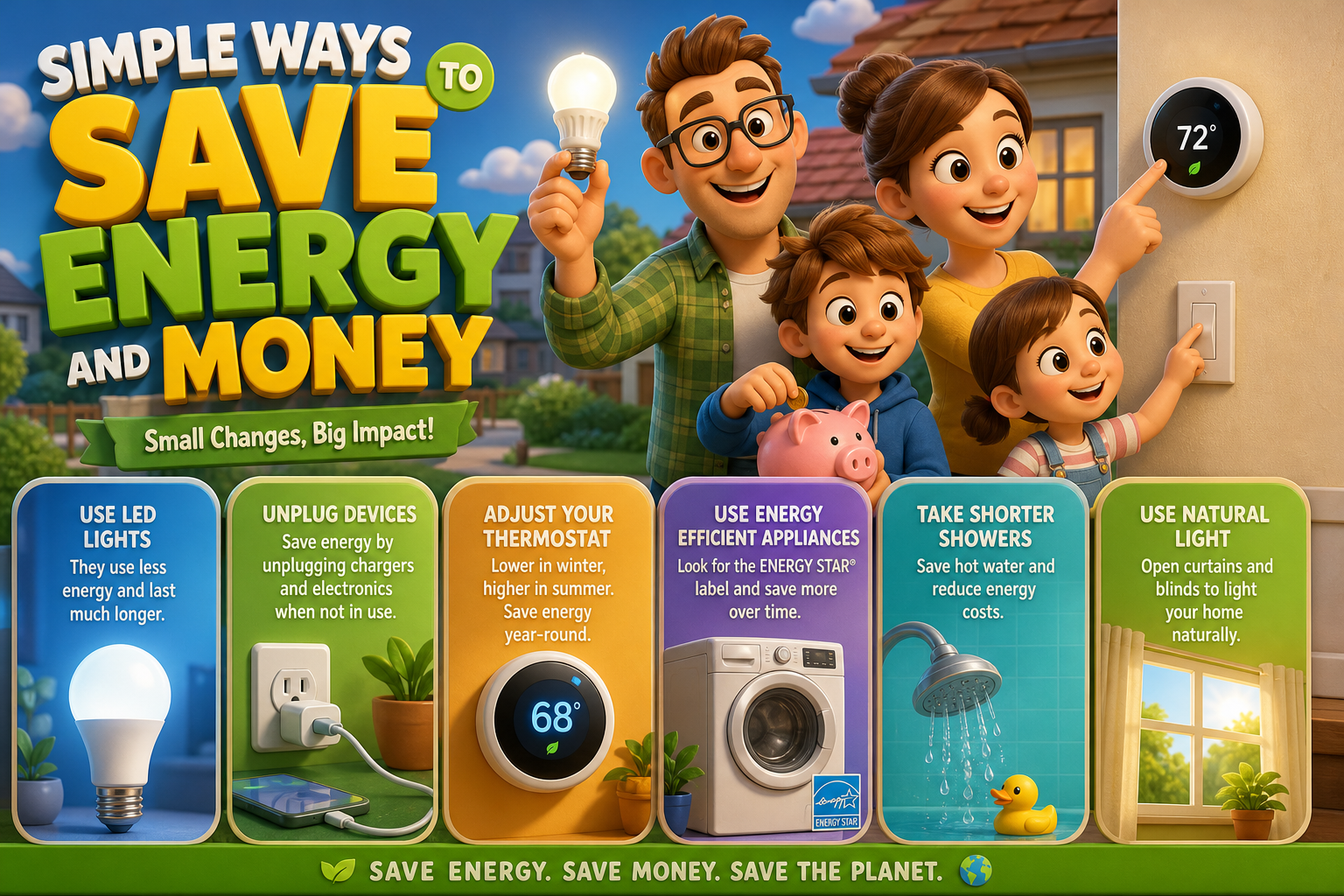
One of the best ways to save energy is to switch to energy-efficient appliances. Look for appliances that have the Energy Star label. These products meet strict energy efficiency guidelines set by the U.S. Environmental Protection Agency. By using energy-efficient appliances, you can save a significant amount on your utility bills.
For example, a modern Energy Star refrigerator uses about 15 percent less energy than a standard model. When shopping for appliances, consider their energy consumption. Many retailers provide annual energy cost estimates for each appliance, making it easier to compare. By choosing energy-efficient models, you can reduce energy use while still enjoying the benefits of modern technology.
Additionally, consider the lifespan of appliances. Even if an energy-efficient appliance has a slightly higher upfront cost, it often pays off in the long run. You save on energy bills, and many energy-efficient appliances come with warranties that guarantee their performance. This means less hassle and more savings over time.
Optimize Your Heating and Cooling Systems
Heating and cooling systems are major contributors to energy consumption. Optimizing these systems can lead to significant savings. One simple step is to regularly change your air filters. Dirty filters make your system work harder, using more energy. Make it a habit to replace filters every month, especially during peak seasons.
You can also invest in a programmable thermostat. This device allows you to set temperatures according to your schedule. For instance, you can lower the temperature when you are not home and raise it before you return. This simple adjustment can lead to a substantial reduction in your heating and cooling costs.
Additionally, sealing drafts is essential. Check windows and doors for gaps and use weather stripping or caulk to seal them. This prevents heated or cooled air from escaping, making your system more efficient. By optimizing your heating and cooling systems, you can create a more comfortable home while saving money.
Utilize Natural Light and Ventilation
Natural light is a free resource that can help you save energy. Instead of relying solely on artificial lighting, open blinds and curtains during the day. This not only brightens your home but also reduces the need for electricity. You can enhance this effect by using light-colored walls and mirrors to reflect light throughout your space.
Ventilation is another important aspect. During moderate weather, open windows to let in fresh air instead of using air conditioning. This natural ventilation can cool your home without any energy costs. Use ceiling fans to circulate air, making your home feel cooler and more comfortable. Fans consume much less energy than air conditioning units.
By combining natural light and ventilation, you can significantly cut down on your energy usage during the day. This simple strategy not only saves energy but also creates a pleasant living environment. Embrace the outdoors and let nature support your energy-saving efforts.
Practice Smart Water Heating
Water heating is another area where you can save energy. Consider lowering your water heater temperature to 120 degrees Fahrenheit. This setting is sufficient for most household needs and can reduce your energy costs. Additionally, insulate your water heater and the pipes connected to it. This helps retain heat and reduces the energy needed to keep water hot.
Another effective method is to use cold water whenever possible. Many laundry detergents work well in cold water, which can save energy used for heating water. Consider washing clothes in cold water instead of hot. This small change can add up to significant savings over time.
Finally, look for energy-efficient water heaters. Tankless water heaters, for example, only heat water when needed, reducing energy waste. By practicing smart water heating, you can enjoy hot water while also saving money on your energy bills.
Reduce Phantom Load
Phantom load refers to the energy consumed by electronics when they are turned off but still plugged in. Many devices like chargers, televisions, and computers continue to draw power. This can lead to surprising energy costs over time. A simple way to combat phantom load is to unplug devices when not in use.
Using power strips is an effective strategy. Plug multiple devices into a power strip and turn it off when you are done using them. This prevents any energy waste from devices that draw power even when they are turned off. Smart power strips can automatically cut power to devices that go into standby mode, further reducing energy use.
By being aware of phantom load and taking steps to reduce it, you can save energy without changing your habits significantly. This simple strategy is a practical way to cut costs and lessen your environmental impact.
Energy-Saving Habits for Daily Life
Adopting energy-saving habits in your daily life can lead to significant savings. Start by turning off lights when you leave a room. This is a simple habit that requires no extra effort but can save a lot over time. Also, try to use appliances during off-peak hours when energy rates are lower.
For example, run your dishwasher or washing machine at night or early in the morning. This not only saves you money but also helps reduce demand on the energy grid during peak hours. Additionally, consider air-drying clothes instead of using a dryer. This simple switch uses no electricity and is better for your clothes as well.
Encourage family members to join in on these habits. By working together, you can create a culture of energy savings in your home. Simple changes in daily behavior can lead to substantial energy savings over time. Every small effort counts and contributes to a more sustainable lifestyle.
Grow Your Own Food
Growing your own food can save energy and reduce grocery bills. Home gardens require small investments in seeds and tools but can yield a bountiful harvest. Start by choosing vegetables that grow well in your area. This can include tomatoes, peppers, and herbs.
By growing food at home, you reduce the energy used in transporting produce from farms to stores. This means less fuel consumption and fewer emissions. Additionally, homegrown food is fresher and often tastes better than store-bought options. You can also control how your food is grown, choosing organic methods if desired.
Consider joining a community garden if space is limited. Many communities offer shared garden spaces where you can grow food alongside others. This not only helps you save money but also fosters community connections. Growing your own food is a rewarding way to save energy and promote sustainability.
Embrace Renewable Energy Sources
Renewable energy sources, such as solar and wind, are becoming more accessible for homeowners. Installing solar panels can significantly reduce your reliance on traditional energy sources. While the initial cost may seem high, many programs offer incentives and tax credits to offset these expenses.
Solar panels harness energy from the sun, converting it into electricity for your home. This can lead to substantial savings on your energy bills over time. In many areas, you can even sell excess energy back to the grid, providing an additional source of income.
Additionally, consider other forms of renewable energy, such as wind turbines if you live in a suitable location. These systems can provide clean energy for your home, further reducing your carbon footprint. Embracing renewable energy is a significant step toward saving energy and contributing to a cleaner environment.
Conclusion: The Path to Savings
Saving energy and money is a journey that takes commitment and awareness. By understanding your energy consumption, switching to efficient appliances, and adopting smart habits, you can make a significant impact. Each small change contributes to a larger goal of sustainability and cost savings.
Remember, every home is different, and not every strategy will work for everyone. It is essential to assess your specific situation and choose the methods that best fit your lifestyle. Whether it is optimizing heating systems, growing your own food, or embracing renewable energy, every effort counts. Start today and watch your savings grow.
As you implement these simple ways to save energy and money, you will not only benefit financially but also contribute to a healthier planet. Each step you take is a step toward a more sustainable future for all.