








Introduction to Green Technology
Green technology is essential for a sustainable future. It refers to the use of innovative technologies that reduce environmental impact. In 2026, many advancements in this field are transforming how industries operate. From renewable energy sources to sustainable materials, green technology plays a vital role in combating climate change. Understanding these technologies can help individuals and businesses make better decisions for the planet. This article explores various aspects of green technology that help the planet thrive.
Renewable Energy Sources
Renewable energy sources are at the forefront of green technology. These include solar, wind, hydro, and geothermal energy. Solar energy is one of the most popular options. By installing solar panels, households can generate their own electricity. This reduces reliance on fossil fuels and lowers energy bills. Wind energy is another powerful source. Wind turbines convert wind into electricity. Many countries invest in large wind farms to harness this energy.
Hydro energy utilizes water flow to generate electricity. Dams and river systems are common sites for hydroelectric power plants. Geothermal energy taps into the Earth’s internal heat. This energy source is particularly effective in volcanic regions. By adopting renewable energy, we can significantly cut carbon emissions and promote a cleaner environment.
Energy Efficiency in Buildings
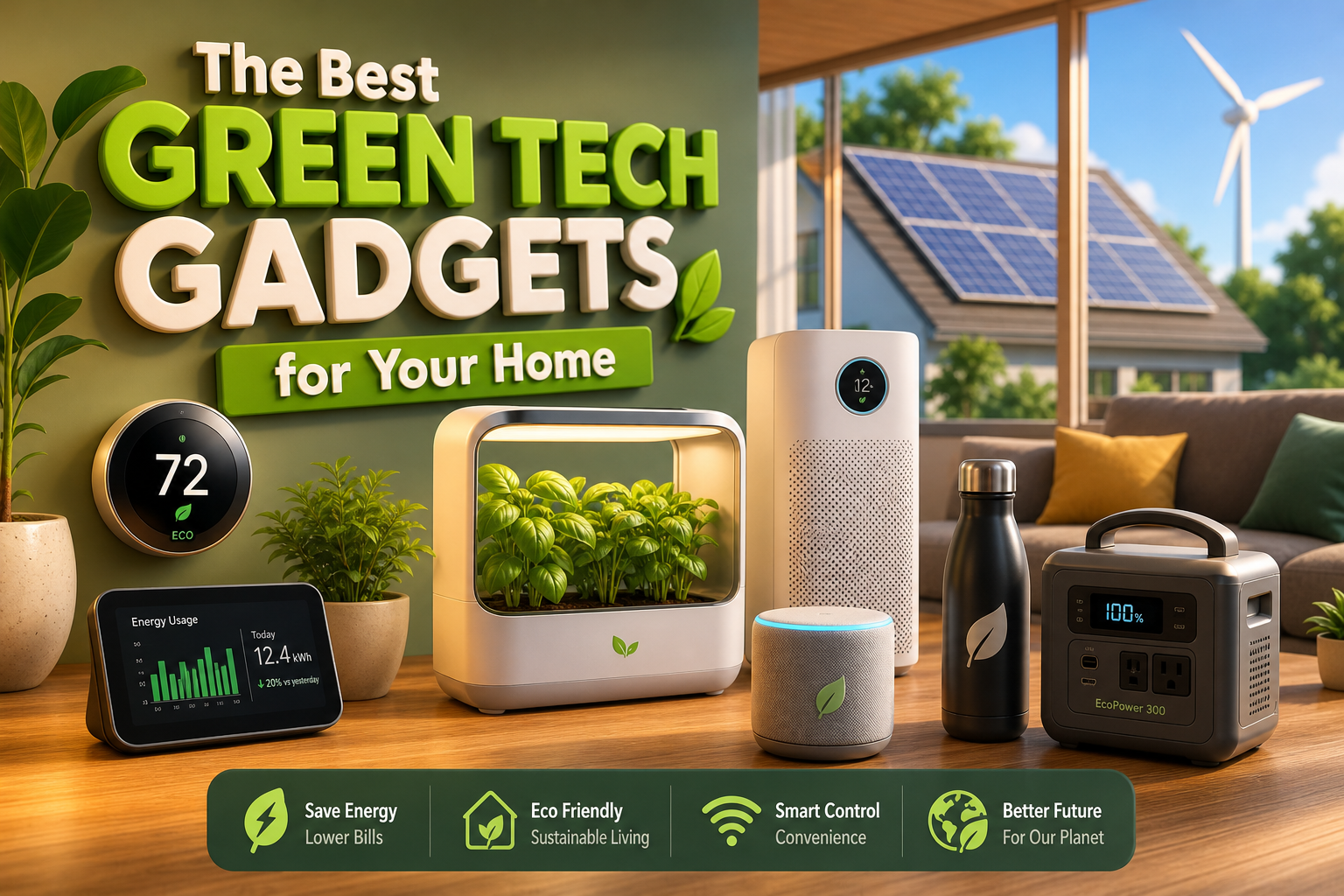
Energy efficiency is important in reducing waste and conserving resources. In 2026, many buildings incorporate energy-efficient designs. This includes proper insulation, energy-efficient windows, and appliances that use less electricity. Smart home technology also plays a role. These systems can optimize energy use by adjusting heating and cooling based on occupancy.
For example, programmable thermostats allow homeowners to set specific temperatures. This ensures that energy is not wasted when no one is home. Retrofitting existing buildings with energy-efficient technologies can lead to substantial savings. Not only does this benefit the environment, but it also lowers utility costs for residents.
Sustainable Transportation
Sustainable transportation is another critical area of green technology. Electric vehicles (EVs) are rapidly gaining popularity. They produce zero tailpipe emissions and rely on electricity, which can come from renewable sources. In 2026, many countries offer incentives for purchasing EVs, making them more accessible.
Public transportation is also evolving. Electric buses and trains reduce pollution in urban areas. Biking and walking are encouraged in cities with improved infrastructure. These alternatives decrease reliance on personal vehicles. By promoting sustainable transportation options, communities can reduce traffic congestion and improve air quality.
Waste Management Technologies
Effective waste management is essential for a healthy planet. In 2026, advanced waste management technologies are helping to reduce landfill waste. Recycling programs have expanded, making it easier for individuals to recycle materials like plastic and paper. Composting has also gained popularity as a way to reduce organic waste.
Innovative companies are developing technologies to convert waste into energy. For instance, anaerobic digestion processes organic waste to produce biogas. This biogas can then be used for heating or electricity generation. These solutions not only help manage waste but also create valuable resources from what would otherwise be discarded.
Water Conservation Technologies
Water scarcity is a growing concern worldwide. Green technology includes various solutions to conserve water. Smart irrigation systems are designed to minimize water usage in agriculture. These systems use sensors to monitor soil moisture levels, ensuring that crops receive only the water they need.
Rainwater harvesting is also gaining traction. This method collects rainwater for use in irrigation or household needs, reducing reliance on municipal water supply. Additionally, water-efficient appliances, like low-flow faucets and toilets, help reduce water consumption in homes. By adopting these technologies, we can protect this vital resource for future generations.
Sustainable Agriculture Practices
Sustainable agriculture is essential for food security and environmental health. In 2026, many farmers are using green technologies to enhance crop yields while minimizing impact on the environment. Precision farming employs GPS and data analytics to optimize planting and harvesting.
Organic farming methods eliminate harmful pesticides and fertilizers. Instead, these practices use natural alternatives to maintain soil health. Crop rotation and agroforestry are also popular, as they promote biodiversity and reduce soil erosion. By supporting sustainable agriculture, we can ensure a healthier planet and food supply.
Green Building Materials
The construction industry is increasingly adopting green materials. In 2026, many builders prioritize sustainable options like bamboo, recycled metal, and reclaimed wood. These materials not only reduce environmental impact but also often provide durability and aesthetic appeal.
Eco-friendly insulation materials, such as sheep’s wool or recycled denim, are gaining popularity. These options are effective in maintaining thermal comfort while being less harmful to the environment. By using green building materials, we can create structures that are both functional and sustainable, benefiting the planet for years to come.
Carbon Capture and Storage
Carbon capture and storage (CCS) is a technology aimed at reducing greenhouse gas emissions. In 2026, several industries are implementing CCS to capture carbon dioxide before it enters the atmosphere. This process involves capturing emissions from power plants and industrial facilities.
The captured carbon dioxide is then stored underground or used in various applications, like enhancing oil recovery. By adopting CCS technologies, industries can significantly lower their carbon footprint. This is a important step in addressing climate change and promoting a healthier planet.
Smart Grids and Energy Storage
Smart grids are transforming how energy is distributed and consumed. In 2026, these advanced systems allow for real-time monitoring and management of energy use. Smart grids enhance the efficiency of energy distribution, reducing waste and outages.
Energy storage solutions, like advanced batteries, play a critical role in renewable energy utilization. These systems store excess energy generated during peak production times for later use. This helps balance supply and demand, ensuring a stable energy supply. By investing in smart grids and energy storage, we can enhance the resilience and efficiency of our energy systems.
Environmental Monitoring Technologies
Environmental monitoring technologies are essential for keeping track of the planet’s health. In 2026, many organizations utilize sensors and satellite technology to gather data on air quality, water quality, and biodiversity. This information is important for making informed decisions regarding environmental policies and practices.
For example, air quality monitors can detect pollutants in real-time. This data allows governments and communities to take action when air quality levels become dangerous. By employing these monitoring technologies, we can better understand environmental changes and develop strategies to mitigate negative impacts.
Community Engagement and Education
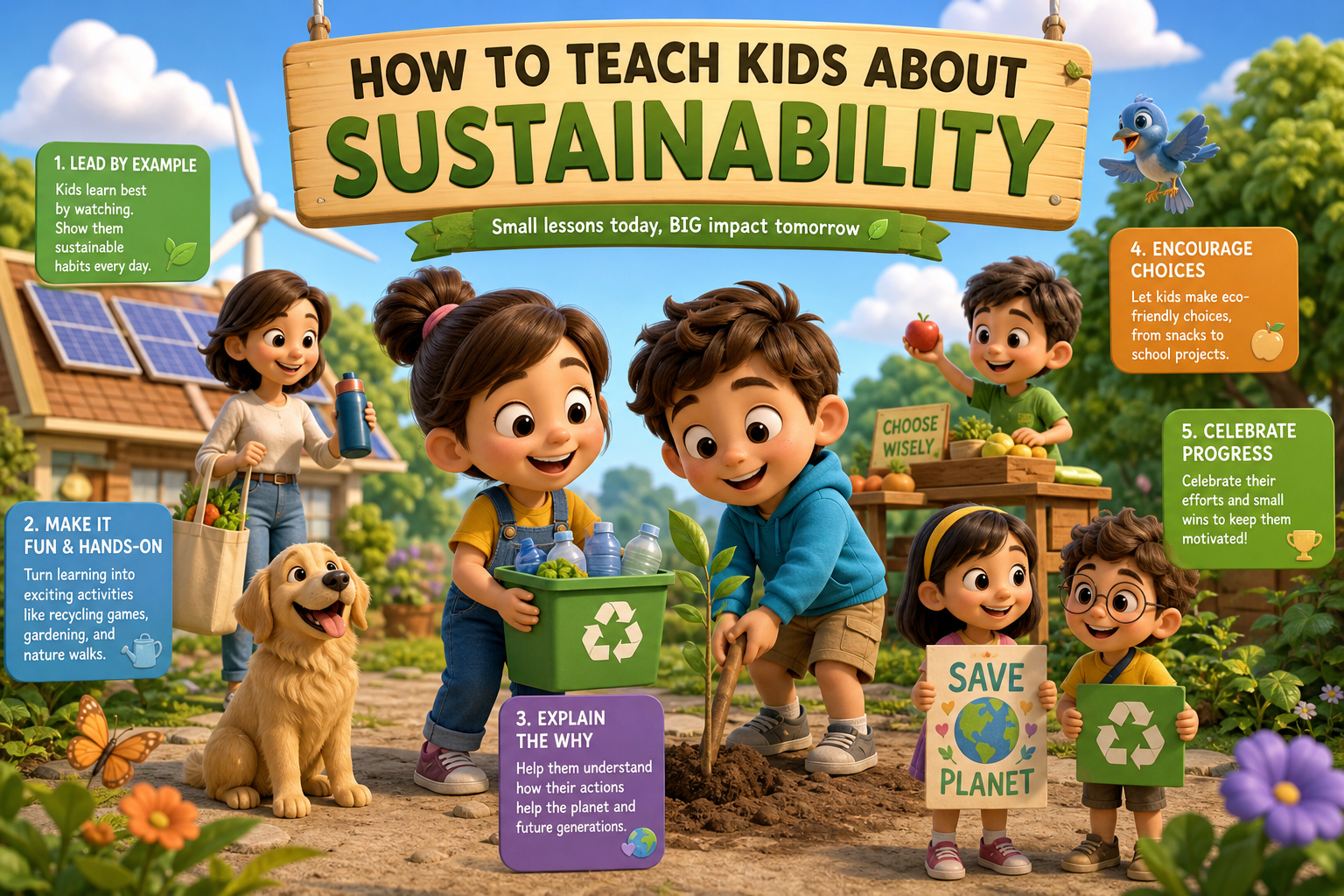
Community engagement is vital in promoting green technology. In 2026, many organizations focus on educating the public about sustainable practices. Workshops, online courses, and community events raise awareness about the importance of green technology.
Local initiatives encourage residents to adopt eco-friendly habits, like reducing waste and conserving energy. By fostering a sense of community, we can inspire collective action towards a greener future. Education plays a important role in ensuring that individuals understand the benefits and application of green technology.
Conclusion: A Greener Future
Green technology is essential in the fight against climate change. In 2026, various technologies are available to help reduce environmental impact and promote sustainability. By embracing renewable energy, sustainable practices, and innovative technologies, we can create a healthier planet for future generations.
Individuals, businesses, and communities must work together to adopt these solutions. The future of our planet depends on the choices we make today. Through collective efforts, we can ensure a greener, more sustainable world.