








1. Reduce, Reuse, Recycle
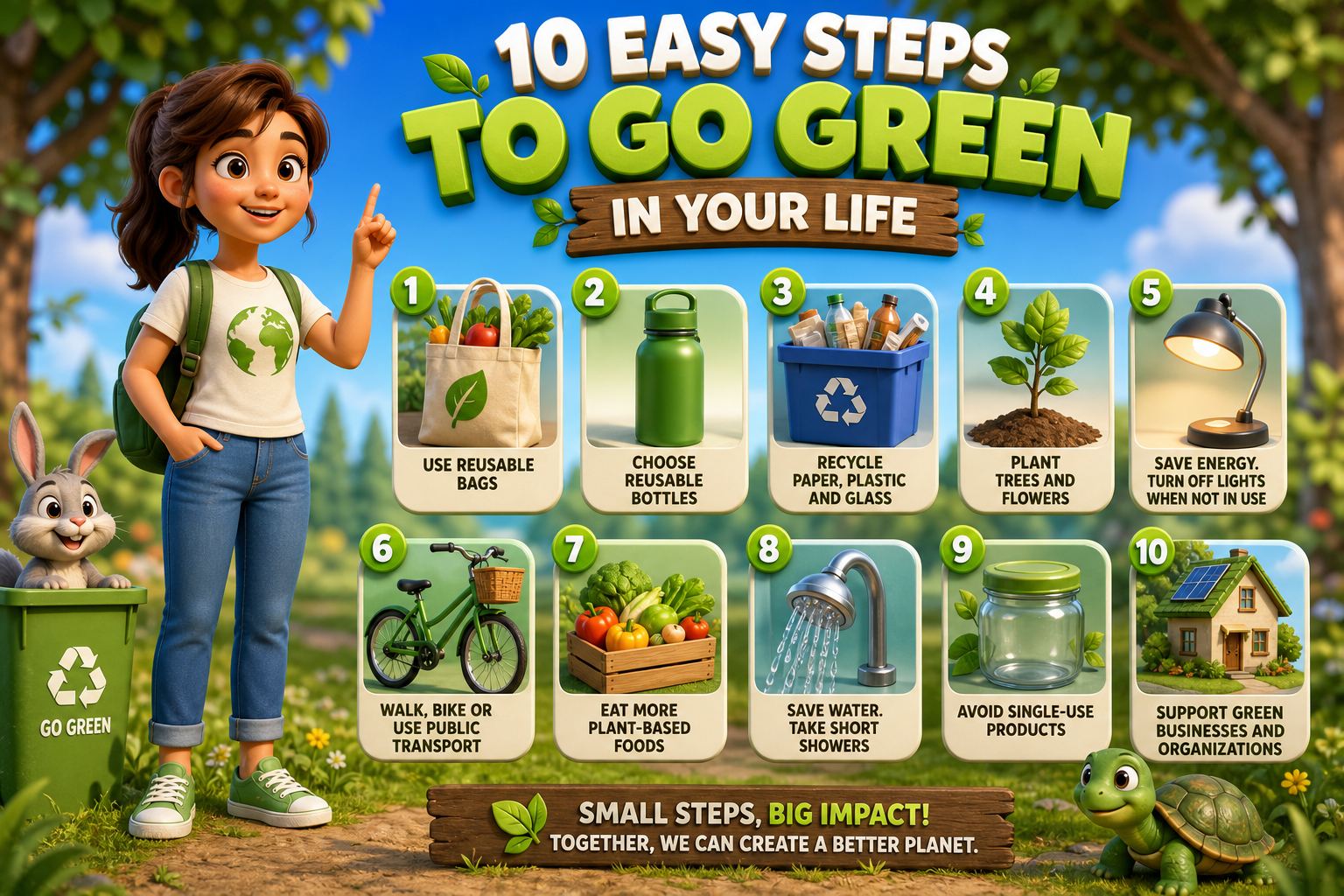
The first step to go green is to adopt the mantra of reduce, reuse, and recycle. This simple phrase can change your lifestyle dramatically. Start by reducing the amount of waste you produce. For instance, consider reducing single-use plastics. Instead of buying bottled water, invest in a reusable water bottle. This small change can help save hundreds of plastic bottles from ending up in landfills each year.
Next, focus on reusing items whenever possible. For example, glass jars can become storage containers for food or craft supplies. Old clothes can be turned into cleaning rags or donated to those in need. Lastly, recycling is important. Set up a recycling station in your home for paper, plastic, and metals. Many communities offer curbside recycling programs, making it easier than ever to recycle.
By incorporating these practices into your daily routine, you will reduce your carbon footprint and contribute to a cleaner planet. Remember, every little effort counts. When everyone takes small steps, the impact can be significant.
2. Start a Home Garden
Starting a home garden is another excellent way to go green. Gardening not only provides fresh produce but also helps the environment. Begin by choosing a small space in your yard or even a few pots on your balcony. You can grow herbs, vegetables, or flowers. Growing your own food reduces the need for store-bought items, which often come with excess packaging.
When selecting what to plant, consider local climate and season. For example, tomatoes and peppers are great summer crops, while leafy greens thrive in cooler weather. Use organic methods for pest control and fertilization to keep your garden healthy without harmful chemicals. This approach is better for your health and the environment.
Additionally, gardening can be a fulfilling hobby. It connects you to nature and teaches patience and responsibility. Sharing your harvest with friends and family can also strengthen community bonds. Remember, even a small garden can make a big difference.
3. Use Energy-Efficient Appliances
Switching to energy-efficient appliances is a smart investment for going green. Look for appliances with the ENERGY STAR label. These products meet strict energy efficiency guidelines, saving you money on utility bills. For example, a high-efficiency washing machine uses significantly less water and energy than older models.
In the kitchen, consider using induction cooktops or energy-efficient ovens. They not only cook food faster but also consume less electricity. For refrigeration, choose models that maintain temperature well without using excessive energy. Over time, the savings on your energy bills can offset the initial cost of these appliances.
Moreover, it is essential to maintain your appliances. Regular maintenance can keep them running efficiently and extend their lifespan. This practice is better for your wallet and the environment, as it reduces waste. Each energy-efficient choice adds up, contributing to a more sustainable lifestyle.
4. Switch to Renewable Energy
Switching to renewable energy sources is a powerful way to go green. Many homes can now use solar panels, wind turbines, or geothermal systems to generate clean energy. Solar panels, for instance, convert sunlight into electricity, reducing reliance on fossil fuels.
Installing solar panels can be a significant upfront investment, but many governments offer tax incentives or rebates to help offset costs. Over time, the savings on your electricity bill can make this choice economically viable. Additionally, using renewable energy reduces greenhouse gas emissions, which helps combat climate change.
For those who cannot install renewable systems at home, consider switching your energy provider to one that offers renewable options. Many utility companies now provide green energy plans. This choice allows you to support clean energy without changing your home’s infrastructure. Every switch to renewable energy helps create a cleaner, healthier planet for future generations.
5. Choose Sustainable Transportation
Your choice of transportation plays a significant role in your carbon footprint. To go green, consider alternatives to driving alone in a car. Public transport is an excellent option. Buses and trains can significantly reduce greenhouse gas emissions per person compared to individual vehicles.
For shorter distances, walking or biking is not only healthier but also environmentally friendly. If you need to drive, consider carpooling with friends or coworkers. This practice reduces the number of cars on the road and cuts down on emissions.
Electric vehicles (EVs) are another sustainable option. As of 2026, the market for EVs has expanded significantly, offering more choices at various price points. Charging stations are now widely available, making it easier to own an electric car. By choosing sustainable transportation, you contribute to cleaner air and a healthier environment.
6. Support Local and Organic Products
Supporting local and organic products is an essential step in going green. When you purchase locally grown food, you reduce the carbon footprint associated with transporting goods over long distances. Farmers’ markets are a great place to find fresh, seasonal produce while supporting local economies.
Choosing organic products also benefits the environment. Organic farming practices avoid synthetic fertilizers and pesticides, which can harm wildlife and water sources. By selecting organic, you promote more sustainable farming methods that protect the ecosystem.
Additionally, consider joining community-supported agriculture (CSA) programs. These initiatives connect consumers directly with farmers, providing you with fresh produce while ensuring farmers receive fair compensation. Supporting local and organic products strengthens your community and promotes environmental sustainability.
7. Practice Water Conservation
Water conservation is a vital aspect of going green. Freshwater resources are limited, and conserving water helps protect this precious resource. Start by fixing leaks in your home. A dripping faucet can waste gallons of water over time, so repairing it promptly is important.
Another effective strategy is to install water-efficient fixtures, such as low-flow showerheads and toilets. These devices can significantly reduce your water consumption without sacrificing performance. Additionally, consider collecting rainwater in barrels for watering plants or gardens.
Being mindful of your water usage is essential. Simple actions, like turning off the tap while brushing your teeth or taking shorter showers, can make a big difference. By practicing water conservation, you contribute to a sustainable future for everyone.
8. Reduce Meat Consumption
Reducing meat consumption is an impactful way to go green. The meat industry contributes significantly to greenhouse gas emissions and deforestation. By choosing to eat less meat, you can lower your carbon footprint. Consider implementing meatless days into your weekly meal plan.
Explore plant-based alternatives to meat. Foods like beans, lentils, and tofu are nutritious substitutes that can be delicious in various recipes. Many people find that experimenting with new vegetarian dishes can be fun and rewarding.
Additionally, if you choose to eat meat, consider sourcing it from local, sustainable farms. These farms often raise animals in humane conditions and use environmentally friendly practices. By being mindful of your meat consumption, you support a healthier planet.
9. Educate Yourself and Others
Education is a powerful tool for going green. Stay informed about environmental issues, climate change, and sustainable practices. Read books, attend workshops, or follow credible sources online. The more you know, the better equipped you are to make eco-friendly choices.
Share your knowledge with friends and family. Discussing green practices can inspire others to join you on your journey towards sustainability. Organize community events or workshops to teach others about recycling, gardening, or energy conservation.
Because collective action is vital, encouraging others to adopt green practices can lead to significant change. Small conversations can spark larger movements. By educating yourself and those around you, you contribute to building a more sustainable future.
10. Choose Eco-Friendly Products
Finally, choose eco-friendly products whenever possible. This includes everything from cleaning supplies to personal care items. Many brands now offer sustainable options made from natural ingredients and packaging that is recyclable or biodegradable.
Look for certifications like USDA Organic or Green Seal when shopping. These labels indicate that products meet specific environmental standards. For example, using biodegradable trash bags instead of regular plastic ones can reduce plastic waste in landfills.
Additionally, consider making some products at home. For instance, you can create your own cleaning solutions using vinegar and baking soda. This approach is not only better for the environment but can also be more cost-effective. By choosing eco-friendly products, you actively support sustainable practices and help protect the planet.