






Understanding Recycling
Recycling is a process where materials that would otherwise be waste are collected, processed, and turned into new products. This practice helps reduce the amount of waste sent to landfills and conserves natural resources. In 2026, the importance of recycling is more significant than ever due to the increasing issue of plastic pollution and climate change. Understanding how recycling works can empower individuals to make better choices.
Recycling not only helps the environment but also supports local economies. Many communities rely on recycling programs to create jobs and boost economic growth. You can contribute to this positive cycle by learning the basics of recycling and implementing them in your daily life.
The Benefits of Recycling
Recycling has numerous benefits, both for the planet and for people. First, it helps conserve natural resources. For instance, recycling paper reduces the need for cutting down trees. Second, recycling saves energy. Producing new products from recycled materials requires less energy compared to creating them from raw materials.
Additionally, recycling reduces pollution. Factories that produce goods from recycled materials emit fewer pollutants than those that use virgin materials. By recycling right, you contribute to cleaner air and water. Finally, recycling promotes sustainability. Using recycled materials helps create a circular economy where products are reused, reducing the demand for new resources.
Common Recycling Myths
There are many myths surrounding recycling that can lead to confusion. One common myth is that all plastics are recyclable. In reality, only certain types of plastics can be recycled. Another misconception is that rinsing recyclables is unnecessary. In fact, rinsing helps prevent contamination, ensuring that materials are accepted by recycling facilities.
Many also believe that recycling is not worth the effort because it has little impact. However, every small action counts. When you recycle properly, you contribute to a larger movement of sustainability. Understanding these myths can help you recycle more effectively.
How to Identify Recyclable Materials
Identifying recyclable materials is important for effective recycling. Most recycling programs accept paper, cardboard, glass, metals, and certain plastics. To help you identify these materials, look for recycling symbols on packaging. The most common symbol is the triangle with arrows, indicating that the item is recyclable.
However, be sure to check local guidelines as what is recyclable can vary by location. For example, some communities accept glass bottles while others may not. Familiarizing yourself with the specific rules in your area will help you recycle correctly.
Sorting Your Recyclables
Sorting your recyclables is an important step in the recycling process. It helps ensure that materials are processed correctly. Start by separating your waste into different bins for paper, plastics, metals, and glass. Label each bin clearly to avoid confusion.
When sorting, remember to keep contaminated items out of the recycling bin. Items like greasy pizza boxes or food containers can spoil the batch. If in doubt, it is better to throw it away than risk contaminating recyclables. Proper sorting can make a big difference in the success of recycling efforts.
Local Recycling Programs
Each community has its own recycling program, and understanding yours is vital. Many local governments offer curbside pickup for recyclables, while others may have drop-off centers. Research your local recycling options by checking your city or county’s website.
In some areas, there are also specific recycling events where residents can bring items that are not typically accepted in regular curbside programs, such as electronics or hazardous materials. Participating in these events can help you recycle more effectively and responsibly.
What Happens to Recycled Materials
After you recycle, you may wonder what happens to your materials. Once collected, recyclables are taken to a recycling center where they are sorted and processed. For example, paper is pulped and turned into new paper products, while plastics are melted down and reshaped into new items.
This process can vary based on the material. Metals are often melted and reformed, and glass is crushed and melted for new containers. Understanding the journey of recyclables can encourage you to recycle more diligently, knowing that your efforts lead to tangible results.
Challenges in Recycling
Despite its benefits, recycling faces several challenges. One major issue is contamination. When non-recyclable items end up in recycling bins, they can spoil entire batches. This results in more waste and less efficiency in recycling processes.
Another challenge is the fluctuating market for recycled materials. Sometimes, there is little demand for certain recyclables, which can lead to them being sent to landfills instead. Public awareness and education can help overcome these challenges and improve recycling rates.
Innovations in Recycling Technology
In 2026, innovations in recycling technology are making a positive impact. For instance, new sorting technologies use AI and robotics to improve the efficiency of material separation. This leads to cleaner recyclables and less waste. Additionally, advancements in recycling processes mean that more materials can be recycled than ever before.
Some companies are even developing ways to recycle materials that were previously considered non-recyclable, such as certain types of plastics. Staying informed about these developments can inspire you to recycle more effectively and support companies that use sustainable practices.
How to Reduce Waste Alongside Recycling
While recycling is important, reducing waste is equally important. The less waste you create, the less you need to recycle. Start by adopting practices like using reusable bags, bottles, and containers. This minimizes single-use plastics and reduces overall waste.
Moreover, consider buying in bulk to cut down on packaging. Choosing products with minimal or recyclable packaging can also make a difference. By focusing on waste reduction, you can complement your recycling efforts and contribute to a more sustainable lifestyle.
Engaging Your Community
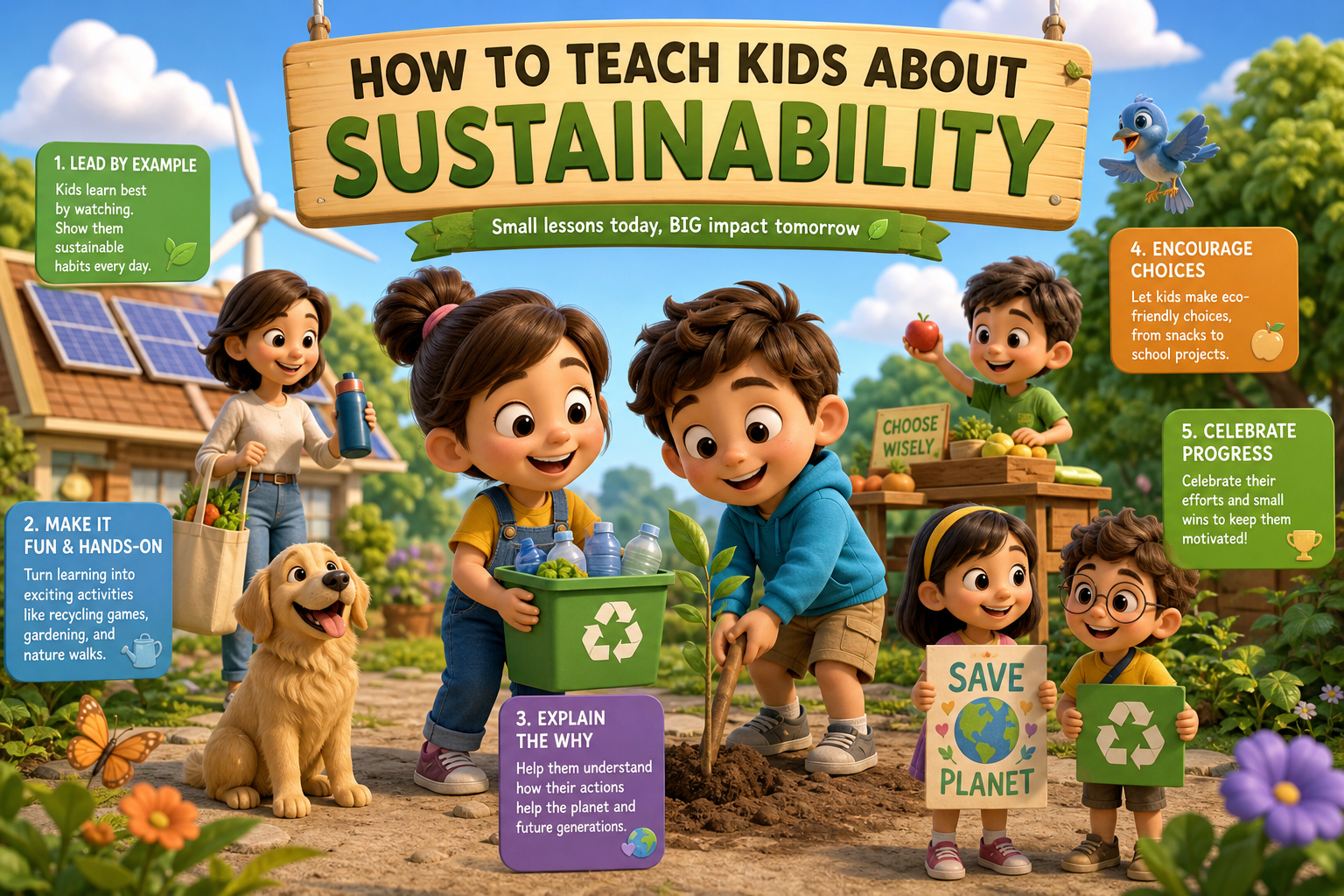
Engaging your community can amplify recycling efforts. Start by talking to friends, family, and neighbors about the importance of recycling. Organizing community clean-up events can also raise awareness and encourage collective action.
Involve local schools by creating educational programs that teach children about recycling. Schools can be powerful platforms for spreading knowledge and encouraging the next generation to recycle right. By working together, communities can achieve significant improvements in recycling and waste management.
Conclusion: Your Role in Recycling
Your role in recycling may seem small, but it is vital. Every item you recycle contributes to a cleaner planet and a healthier environment. By understanding how to recycle right, you can make a positive impact. Remember to stay informed about local guidelines, sort your recyclables, and engage with your community.
As we face growing environmental challenges, every effort counts. By committing to recycling and reducing waste, you are part of the solution. Start today, and inspire others to do the same. Together, we can create a more sustainable future.