







What is Climate Change?
Climate change refers to significant changes in global temperatures and weather patterns over time. While climate change is a natural phenomenon, human activities have accelerated these changes, especially since the industrial revolution. The main driver of this current phase of climate change is the increase in greenhouse gas emissions, particularly carbon dioxide and methane. These gases trap heat in the atmosphere, leading to a phenomenon known as the greenhouse effect.
The burning of fossil fuels for energy, deforestation, and industrial processes contribute heavily to greenhouse gas emissions. For instance, in 2026, data shows that the energy sector remains the largest source of carbon emissions worldwide. Understanding climate change requires grasping how these human activities impact the environment and our daily lives. As we continue to emit these gases, the Earth’s temperature rises, leading to various environmental and societal problems.
Causes of Climate Change
The causes of climate change can be divided into two main categories: natural and human-made. Natural causes include volcanic eruptions, solar radiation variations, and ocean currents. However, the most pressing factors today are human activities. Human-induced causes include the burning of fossil fuels, deforestation, and agriculture.
Fossil fuels like coal, oil, and natural gas release large amounts of carbon dioxide when burned. Deforestation reduces the number of trees that can absorb carbon dioxide, while agriculture contributes through methane emissions from livestock and fertilizers. In 2026, it is clear that urbanization is another significant factor. As cities expand, more land is paved over, reducing green spaces that can help mitigate climate change. Understanding these causes helps us to address climate change effectively.
Effects on Weather Patterns
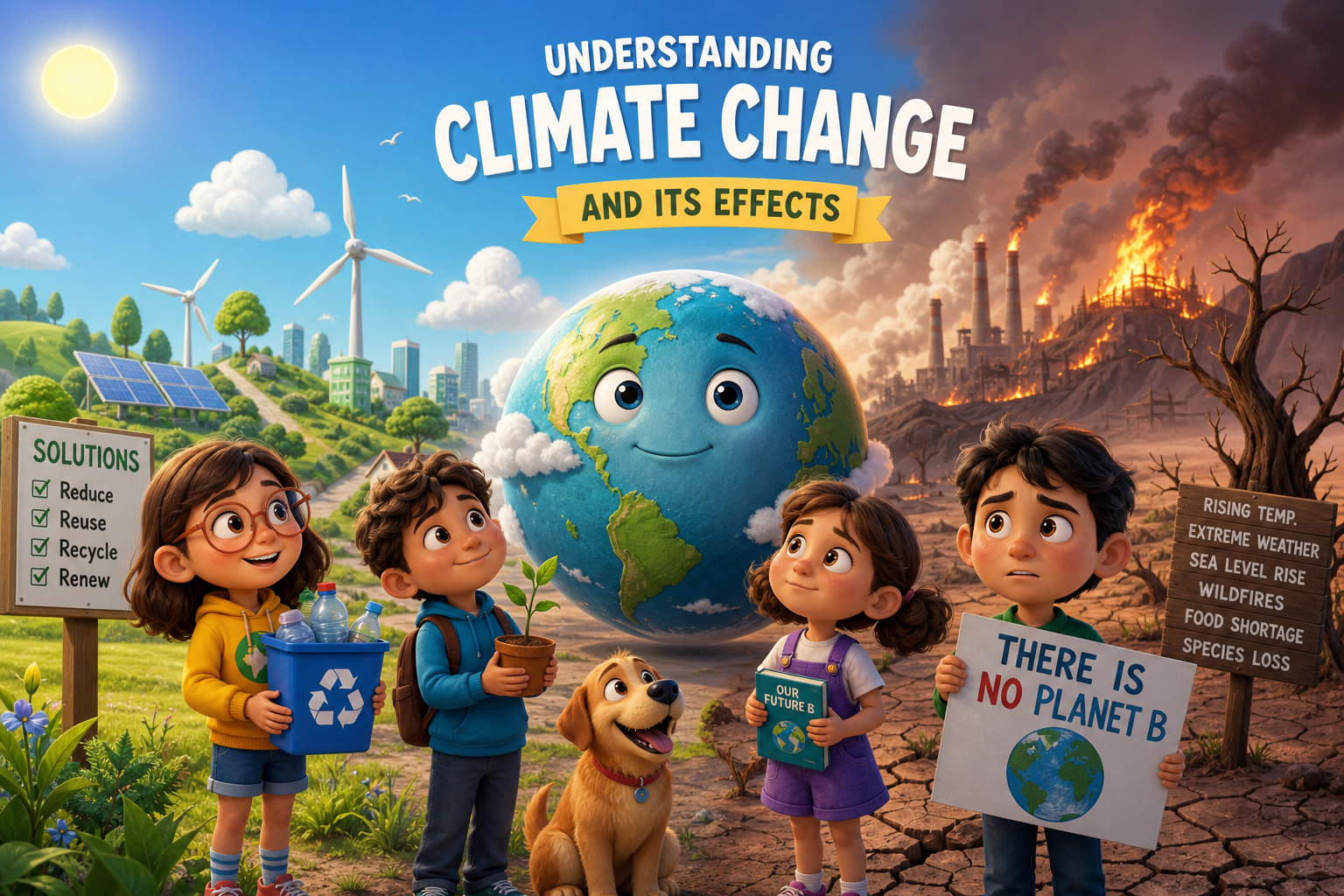
Climate change significantly impacts weather patterns across the globe. One of the most noticeable effects is the increase in extreme weather events. For example, regions that once experienced mild winters may now face harsher cold spells, while others may see more intense heat waves. This unpredictability can disrupt ecosystems, agriculture, and human health.
Moreover, the frequency of hurricanes, droughts, and floods has risen. In 2026, many parts of the world are already feeling the effects. For instance, areas prone to flooding may experience even more severe floods due to rising sea levels, while drought-stricken regions become more arid. This shift in weather patterns poses serious challenges for food and water security, making it essential to address climate change proactively.
Impact on Ecosystems
Climate change does not only affect humans; it also has severe consequences for ecosystems. Changes in temperature and precipitation patterns can alter habitats, leading to shifts in species distribution. Some species may thrive in warmer conditions, while others may face extinction. For instance, polar bears depend on sea ice to hunt seals. As temperatures rise, the ice melts, threatening their survival.
Furthermore, coral reefs, often called the “rainforests of the sea,” are highly sensitive to temperature changes. Coral bleaching occurs when water temperatures rise, causing corals to expel the algae living in their tissues. This process weakens the corals and can lead to their death. In 2026, conservation efforts are underway to protect these vital ecosystems, but the urgency to combat climate change is clearer than ever.
Effects on Human Health
Human health is profoundly impacted by climate change. Rising temperatures can lead to heat-related illnesses and increase the spread of infectious diseases. The warmer climate also affects air quality, contributing to respiratory issues, especially in urban areas. In 2026, cities are implementing measures to combat air pollution, but the connection to climate change is undeniable.
Additionally, food and water security are at risk. Climate change can disrupt agricultural production, leading to food shortages and increased prices. This situation can cause malnutrition and food insecurity, particularly among vulnerable populations. Addressing these health impacts requires a multifaceted approach, including public health initiatives, sustainable agriculture, and climate awareness campaigns.
Economic Impacts
The economic implications of climate change are vast. As extreme weather events become more frequent, they can cause significant damage to infrastructure, homes, and businesses. For instance, hurricanes and floods can lead to billions in damages, straining local and national economies. In 2026, insurance companies are increasingly adjusting policies to account for these risks.
Additionally, sectors like agriculture, fisheries, and tourism are highly sensitive to climate change. Crop yields may decline due to changing weather patterns, impacting farmers’ livelihoods. Tourists may avoid areas vulnerable to natural disasters, affecting local economies dependent on tourism. It is important for businesses and governments to incorporate climate resilience into their planning to minimize economic risks.
Global Responses to Climate Change
In response to the growing threat of climate change, numerous global initiatives have emerged. The Paris Agreement, established in 2015, aims to limit global warming to well below 2 degrees Celsius compared to pre-industrial levels. Countries around the world are setting targets to reduce greenhouse gas emissions, and many are investing in renewable energy sources.
In 2026, renewable energy technologies like solar and wind power are more accessible and affordable than ever. Governments are also promoting electric vehicles and sustainable public transport systems to cut down on emissions. These global efforts demonstrate a collective commitment to tackling climate change, but progress requires continuous action and cooperation.
Individual Actions to Combat Climate Change
While global efforts are essential, individual actions also play a vital role in combating climate change. Simple changes in daily habits can make a significant difference. For example, reducing energy consumption at home by using energy-efficient appliances can lower greenhouse gas emissions. In 2026, many households are adopting smart home technology to optimize energy use.
Additionally, using public transport, biking, or walking instead of driving can reduce carbon footprints. Supporting local and sustainable food sources also helps minimize the environmental impact. Individuals can also advocate for climate-friendly policies and practices in their communities. Every small action contributes to a larger movement toward a sustainable future.
The Role of Technology in Mitigating Climate Change
Technology plays a critical role in combating climate change. Innovations in renewable energy, such as solar panels and wind turbines, make clean energy more viable. In 2026, advancements in battery storage technology allow for more efficient energy use, making renewable sources more reliable. Additionally, carbon capture and storage technologies are being developed to reduce emissions from industrial sources.
Smart technology is also improving energy efficiency in homes and businesses. Smart thermostats and energy management systems help reduce unnecessary energy use. As technology continues to evolve, its potential to mitigate climate change grows, providing new tools for individuals, businesses, and governments to make impactful changes.
Future Outlook and Challenges
The future outlook for climate change is both challenging and hopeful. If current trends continue, the world could face severe consequences, including rising sea levels, extreme weather, and biodiversity loss. However, there is still time to address these issues through concerted efforts on a global scale. In 2026, many activists and organizations are working tirelessly to raise awareness and advocate for sustainable practices.
Challenges remain, including political resistance and economic barriers to change. However, the increasing recognition of the importance of climate action is encouraging. By working together, individuals, communities, and nations can forge a path toward a more sustainable future. The key is to remain committed and proactive in addressing climate change for generations to come.