






Understanding Energy Efficiency in Homes
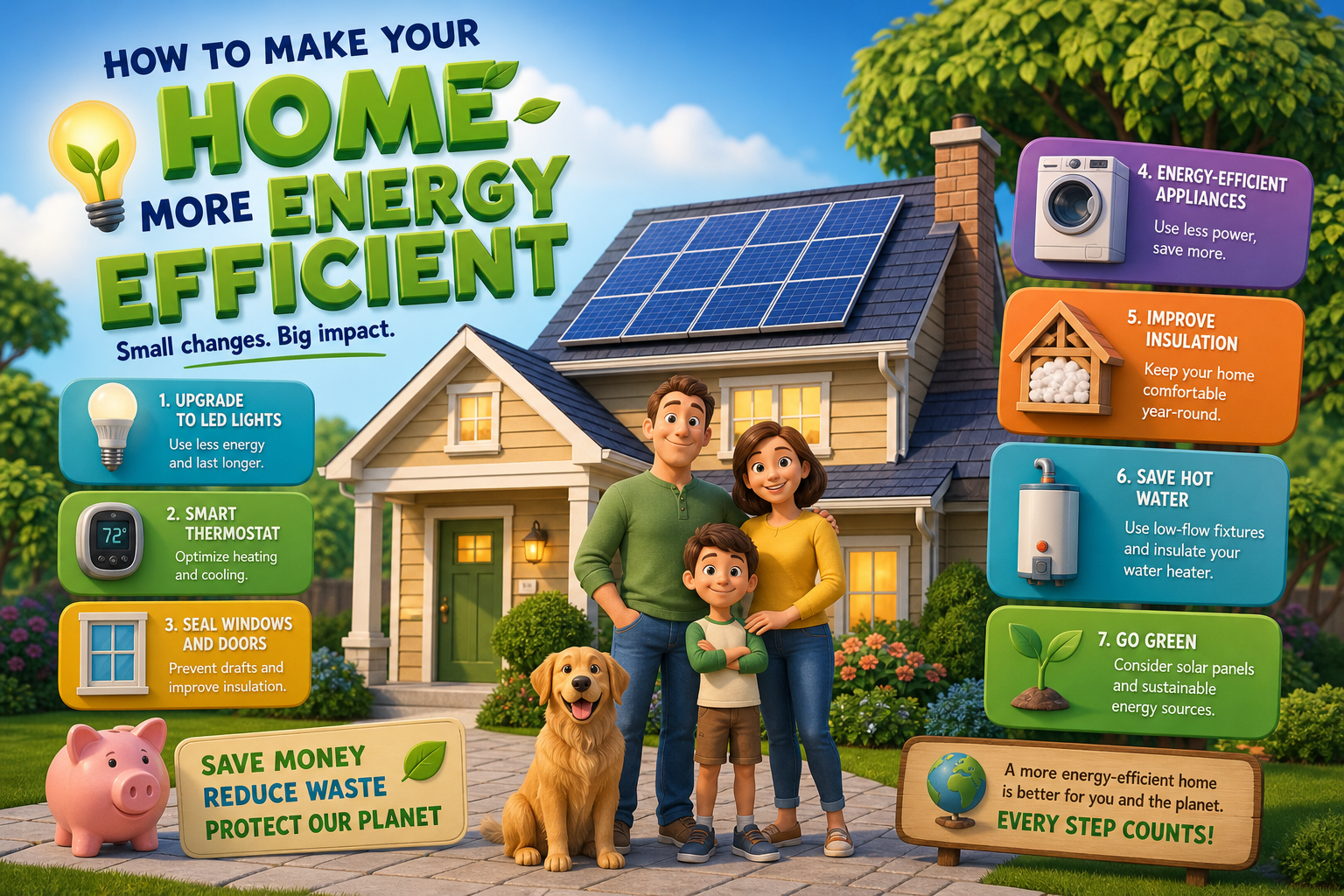
Energy efficiency in homes means using less energy to provide the same level of comfort and service. In 2026, this concept is more important than ever due to rising energy costs and environmental concerns. Making your home more energy efficient can lead to significant savings on utility bills while reducing your carbon footprint. Small changes can make a big difference. For instance, switching to energy-efficient appliances or improving insulation can greatly lower energy consumption. Understanding the benefits and methods to enhance energy efficiency is the first step toward a greener home.
Assessing Your Current Energy Usage
Before you can improve your home’s energy efficiency, you need to evaluate your current energy usage. Start by reviewing your energy bills from the past year. Look for trends in your usage. Are there certain months where your consumption spikes? This can indicate areas where improvements are needed. You can also use energy monitoring tools available in 2026 to track real-time energy usage in your home. These smart devices can provide detailed insights on which appliances consume the most energy. By identifying high-energy areas, you can prioritize your efforts to enhance efficiency.
Improving Insulation and Sealing
One of the most effective ways to make your home more energy efficient is by improving insulation and sealing gaps. Insulation helps keep your home warm in winter and cool in summer. In 2026, many homeowners are opting for spray foam insulation for its superior performance. Check your attic, walls, and floors for existing insulation. Also, look for drafts around windows and doors. Simple solutions like weather stripping or caulking can seal these gaps. A well-insulated home reduces heating and cooling costs significantly, providing comfort year-round.
Choosing Energy-Efficient Appliances
In 2026, energy-efficient appliances are widely available and designed to use less energy than traditional models. When purchasing new appliances, look for the ENERGY STAR label. This certification indicates that the appliance meets energy efficiency guidelines set by the U.S. Environmental Protection Agency. For example, modern refrigerators, dishwashers, and washing machines consume much less energy than older models. Replacing outdated appliances can lead to substantial savings over time. Additionally, consider using smart home technology to automate appliance usage during off-peak hours, which further enhances efficiency.
Upgrading Windows and Doors
Windows and doors play a significant role in your home’s energy efficiency. In 2026, double or triple-pane windows with low-E coatings can help reduce heat loss in winter and keep your home cool in summer. If you have single-pane windows, it may be time for an upgrade. Similarly, ensure that your doors are well-sealed and insulated. You can use door sweeps and insulated door frames to reduce drafts. Investing in high-quality windows and doors not only improves comfort but can also increase your home’s value.
Utilizing Renewable Energy Sources
As we approach the end of 2026, more homeowners are considering renewable energy options to power their homes. Solar panels are among the most popular choices. They can significantly reduce or even eliminate your electricity bills. Additionally, advancements in battery storage technology allow homeowners to store excess energy generated during the day for use at night. Wind turbines are another option for those in suitable locations. By utilizing renewable energy, you can decrease your reliance on fossil fuels and contribute to a cleaner environment.
Implementing Smart Home Technology
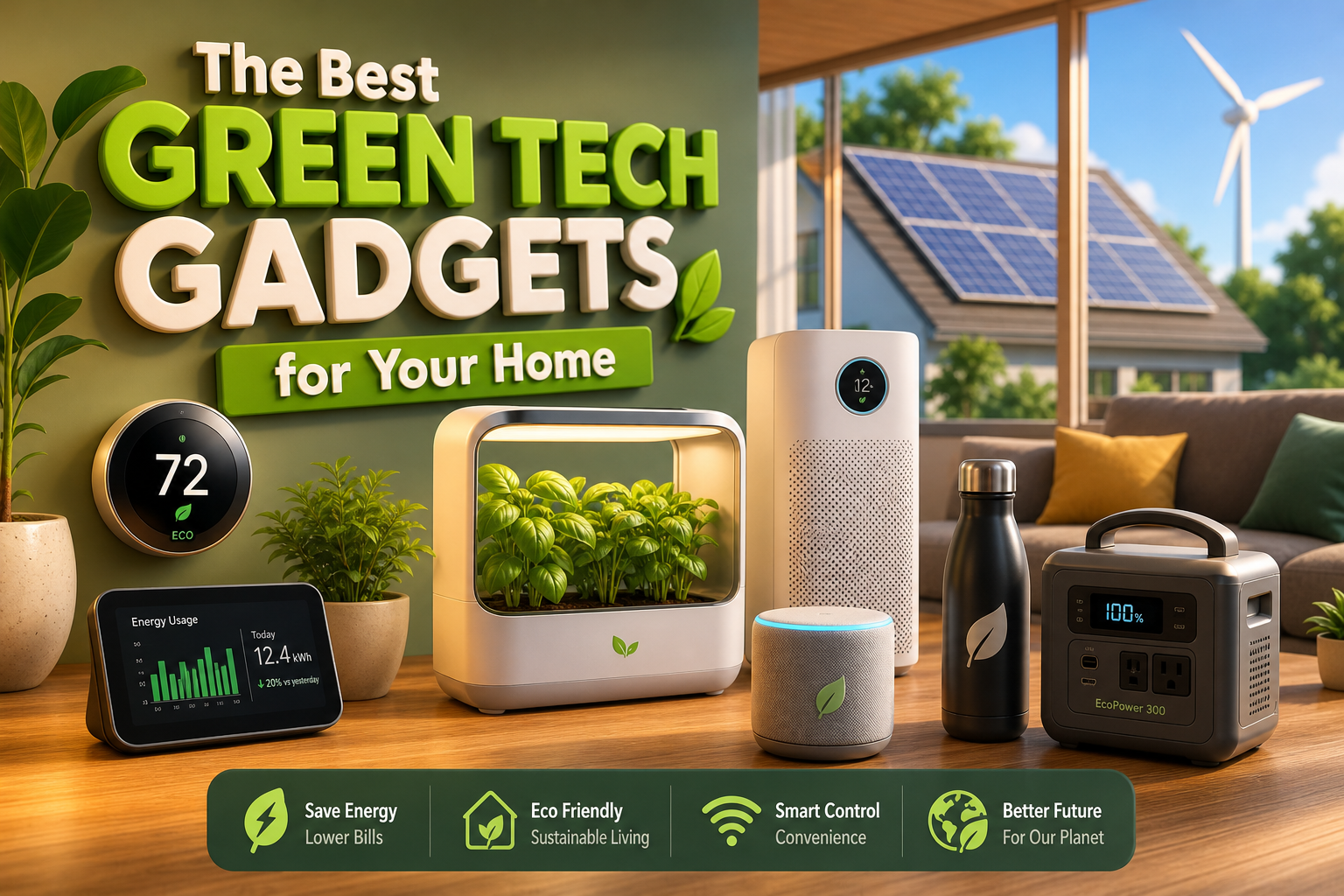
Smart home technology has become increasingly essential for energy efficiency in 2026. Devices like smart thermostats allow you to control your home’s temperature remotely. This means you can adjust settings based on your schedule, ensuring that you use energy only when needed. Smart lighting systems can automatically turn off when no one is in the room. Consider investing in smart plugs that can schedule when devices are powered on or off. These technologies not only enhance convenience but also lead to significant energy savings over time.
Creating an Energy-Efficient Landscaping Plan
Your home’s exterior can also impact energy efficiency. In 2026, energy-efficient landscaping is gaining popularity. Planting trees strategically around your home can provide shade in the summer and reduce cooling costs. Consider using native plants that require less water and maintenance. Additionally, installing features like rain gardens can help manage stormwater and reduce irrigation needs. A well-planned environment not only enhances your home’s appearance but also contributes to energy savings by improving insulation and reducing reliance on artificial cooling.
Regular Maintenance and Upgrades
To maintain energy efficiency, regular upkeep is essential. This includes cleaning or replacing air filters in heating and cooling systems. In 2026, many homeowners are upgrading to high-efficiency HVAC systems that require less energy to operate. Schedule regular maintenance checks to ensure that your systems are running optimally. Also, replace worn-out insulation, seal leaks, and upgrade appliances as needed. By staying proactive with maintenance and upgrades, you can ensure that your home remains energy efficient for years to come.
Conclusion: Taking Action
Making your home more energy efficient in 2026 is not just about saving money. It is also about contributing to a healthier planet. Start by assessing your current energy usage and prioritizing areas for improvement. Whether you choose to upgrade appliances, enhance insulation, or explore renewable energy options, every step counts. Implementing these strategies can lead to substantial savings and increased comfort in your home. So, take action today and enjoy the benefits of an energy-efficient home.