







Introduction to a Sustainable Family Day
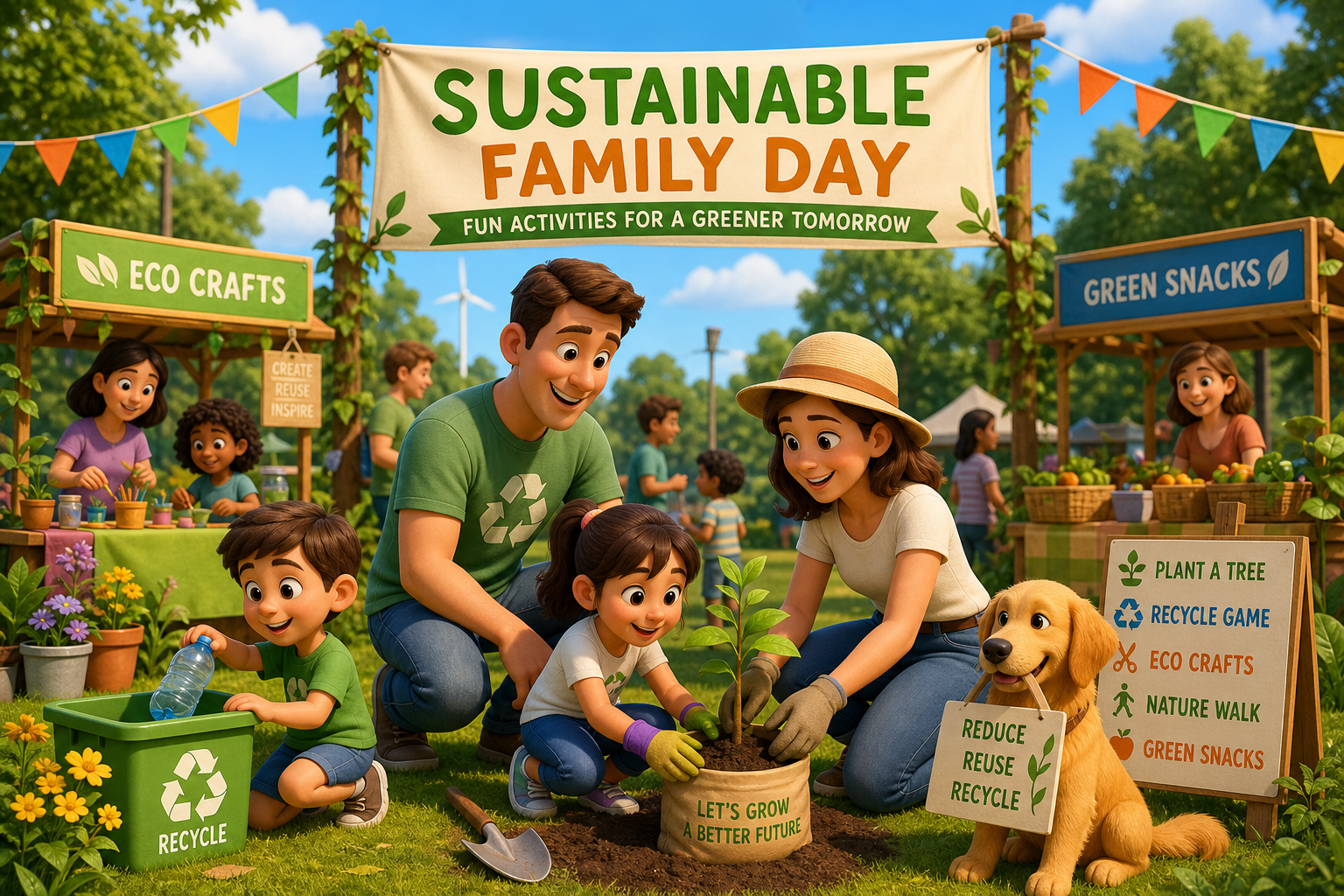
A Sustainable Family Day offers a wonderful chance to connect with loved ones while caring for our planet. In 2026, more families recognize the importance of eco-friendly practices. This day can be filled with fun activities that promote sustainability. Families can enjoy learning together, creating memories, and taking small steps toward a greener future. From outdoor adventures to creative projects at home, the possibilities are endless. This guide will explore various activities that can make your family day both enjoyable and eco-conscious.
Outdoor Adventures: Nature Walks
One of the simplest and most rewarding activities is taking a nature walk. This activity allows families to explore local parks, forests, or nature reserves. In 2026, many communities promote awareness of local wildlife and plants. Before heading out, research your area to find trails that highlight native species. Bring along a field guide or a mobile app to identify plants and animals. Encourage each family member to observe their surroundings. Take time to appreciate the beauty of nature. Collect litter along the way to contribute to keeping the environment clean. This not only makes the area more beautiful but also teaches children the importance of caring for our planet.
Creating a Nature Scavenger Hunt
To make your walk even more engaging, consider creating a nature scavenger hunt. Write down a list of items to find, such as specific leaves, rocks, or birds. Each family member can take turns leading the hunt. This activity encourages teamwork and observation skills. Afterwards, gather to discuss what everyone found. This fosters communication and strengthens family bonds. You can also take pictures of each item to create a nature scrapbook later. This will be a fun way to remember your day and can be a great educational tool for kids.
Gardening Together: Planting Seeds
Gardening is not just a productive activity; it is also a fantastic way to spend time together as a family. In 2026, many families are turning to home gardening to grow their own food. Start by choosing a small area in your yard or even using pots. Select easy-to-grow plants like herbs, tomatoes, or radishes. Involving children in gardening teaches them about food sources and the importance of nature. They can help with planting seeds, watering, and caring for the plants. Watching plants grow gives kids a sense of accomplishment and responsibility.
Starting a Compost Bin
While gardening, consider starting a compost bin. This is an excellent way to teach children about reducing waste. Collect food scraps like vegetable peels, coffee grounds, and eggshells. Explain how these materials can turn into nutrient-rich soil. Let kids help in turning the compost regularly. This hands-on experience fosters an understanding of the natural processes and the importance of recycling organic materials. Once your compost is ready, use it in your garden. It closes the loop and shows children the value of sustainability.
Creative Recycling Projects
Recycling can be a fun and rewarding activity for families. Instead of throwing away old items, think about how to repurpose them. Gather materials like plastic bottles, cardboard boxes, and fabric scraps. Challenge each family member to create something new. This can range from planters made from bottles to art projects using cardboard. Encourage everyone to use their creativity. In 2026, many resources are available online, showing how to transform everyday items into something wonderful.
Host a Family Craft Day
Turn your recycling project into a family craft day. Set up a crafting area with all the supplies. Provide paints, scissors, and glue to enhance the creations. Each family member can showcase their project at the end. This will not only boost creativity but also promote discussions on sustainability. Share ideas on how to reduce waste in daily life. This is a fun way to learn together and create lasting memories.
Cooking Together: Eco-Friendly Meals
Cooking as a family can be both enjoyable and educational. In 2026, many families are focusing on cooking with local and organic ingredients. Choose recipes that use seasonal produce. This supports local farmers and reduces carbon footprints. Cooking together teaches valuable skills and encourages healthy eating habits. Involve everyone in the process, from meal planning to cooking and cleaning. Assign tasks based on age. Younger kids can wash vegetables while older ones chop or stir. This teamwork creates a sense of accomplishment.
Exploring Plant-Based Recipes
Consider exploring plant-based recipes as a family. These meals are often more sustainable than meat-based options. Find recipes that include beans, lentils, and grains. Experiment with new flavors and ingredients. This not only broadens culinary skills but also introduces healthier eating habits. Make it fun by having a taste test or cooking competition. This will keep everyone engaged while learning about nutrition and sustainability.
Eco-Friendly Transportation: Biking Together
Biking is an excellent way to enjoy the outdoors and promote eco-friendly transportation. In 2026, many cities have improved bike paths, making it safer for families to ride together. Plan a bike ride through local parks or along scenic routes. Make sure everyone has a properly fitted helmet. Biking not only helps reduce carbon emissions but also promotes physical fitness. It is a fun way to explore your community while spending quality time together. Encourage kids to notice their surroundings, whether it is wildlife or interesting landmarks.
Organizing a Family Bike Parade
To make it more exciting, consider organizing a family bike parade. Decorate your bikes with colorful streamers and stickers. Invite neighbors to join in and create a fun community event. This fosters a sense of community while promoting eco-friendly transportation. During the parade, take breaks to share stories or enjoy a picnic. This day can turn into a memorable experience for everyone involved. It is a wonderful opportunity for children to learn about the benefits of biking.
Volunteering Together: Community Clean-Up
Volunteering as a family is a powerful way to give back to the community. Organize a community clean-up day at a local park or beach. In 2026, many organizations host regular clean-up events. Check local community boards or online platforms for opportunities. This not only helps the environment but also teaches children the importance of community service. Equip everyone with gloves and trash bags. Make it a fun challenge to see who can collect the most litter. At the end of the day, celebrate your hard work with a treat.
Discussing Environmental Issues
While volunteering, take time to discuss environmental issues. Talk about why it is important to keep our surroundings clean. Encourage kids to think about their impact on the planet. Share stories about how small actions can lead to significant changes. This encourages critical thinking and a sense of responsibility towards the environment. It is an excellent way to instill values of sustainability in young minds.
Embracing Minimalism: Decluttering Together
Embracing minimalism can be a fun family activity. Set aside a day to declutter your home. Go through closets, toys, and other belongings. Discuss with children the concept of keeping only what is necessary. Encourage them to think about how many toys or clothes they truly need. This can lead to meaningful conversations about consumerism and waste. Donate items that are still in good condition. This teaches generosity and the importance of sharing with those in need.
Creating a Family Donation Box
As you sort through items, create a family donation box. Let each family member decide what they want to donate. This involvement gives everyone a sense of ownership. It also highlights the value of giving back. Afterward, take a trip together to drop off the donations. Celebrate this act of kindness with a small family treat. This reinforces the idea that decluttering can benefit others while promoting a sustainable lifestyle.
Exploring Eco-Friendly Technology
In today’s world, integrating technology can enhance your Sustainable Family Day. In 2026, various apps and tools promote eco-friendly habits. Explore mobile apps that track recycling and waste reduction. This can turn sustainability into a fun game. Encourage children to track their progress in reducing waste. Using technology can help families stay engaged and motivated in their sustainability journey. You can also explore virtual tours of national parks or museums focused on nature and the environment.
Creating a Family Sustainability Challenge
Consider setting up a family sustainability challenge using technology. Each week, choose a new eco-friendly habit to practice together. Track your progress using an app or a shared document. Celebrate milestones with rewards like a movie night or special treat. This can make learning about sustainability exciting and competitive. It encourages everyone to take part and share their experiences. This is a fun way to bond as a family while learning about the environment.
Celebrating Your Sustainable Family Day
At the end of your Sustainable Family Day, take time to reflect on the activities you did. Gather together and discuss what everyone enjoyed the most. Share thoughts on what was learned. This can be a great way to reinforce the lessons of the day. Consider creating a family journal to document your experiences. Include drawings, photos, or stories from the day. This will serve as a cherished keepsake and inspire future family days focused on sustainability.
Planning Future Eco-Friendly Days
After celebrating, start planning your next eco-friendly family day. Brainstorm new activities or revisit favorites. Involve everyone in the planning process. This not only builds excitement but also keeps the spirit of sustainability alive. Discuss how these activities can become a regular part of your family life. By making sustainability enjoyable, you can instill lifelong values in your children.
Conclusion: A Lasting Impact
Engaging in fun activities for a Sustainable Family Day can have a lasting impact on your family and the environment. In 2026, it is more important than ever to instill eco-conscious values in the next generation. Through outdoor adventures, gardening, cooking, and community service, families can enjoy quality time while making a difference. The memories created during these activities will help shape your family’s environmental values for years to come. Together, you can contribute to a healthier planet and a brighter future.