








Understanding the Zero Waste Lifestyle
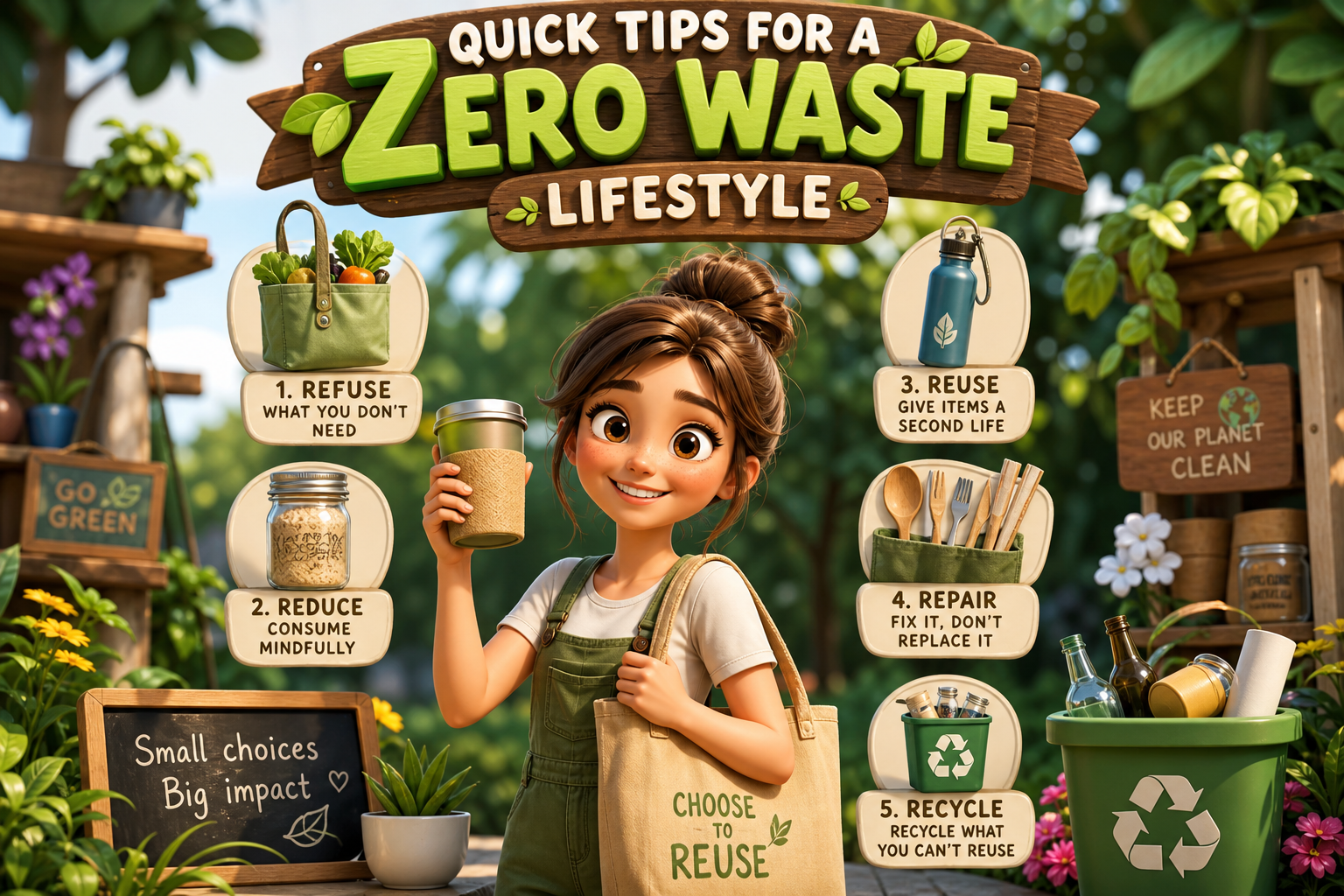
The zero waste lifestyle focuses on minimizing waste in every aspect of life. It encourages individuals to rethink their consumption habits and aims to reduce trash to the level of zero. This approach is not just about recycling. Rather, it encompasses a holistic view of sustainability. By adopting a zero waste lifestyle, you can significantly reduce your environmental footprint. This lifestyle promotes the idea of reusing, repairing, and refusing unnecessary items. It is about making conscious decisions that benefit both the planet and your personal well-being. The journey towards zero waste can start small and grow into a larger commitment over time. Anyone can engage in this lifestyle, regardless of where they live or their current habits.
Assessing Your Waste Footprint
Before making changes, it is essential to evaluate your current waste habits. Start by tracking your waste for one week. Note the items you throw away daily. This will give you a clear picture of what contributes most to your waste. Common items include food packaging, single-use plastics, and paper products. Understanding your waste will help identify areas for improvement. For example, if you find that a lot of your waste comes from food packaging, consider shopping at bulk stores or farmers’ markets. Refusing plastic bags and opting for reusable containers can also reduce waste significantly. Use a journal or an app to document your findings. This reflection is critical for setting realistic goals for your zero waste journey.
Refusing and Reducing
The first steps in the zero waste lifestyle are refusing and reducing. Refusing involves saying no to products that are unnecessary or harmful to the environment. This includes items such as single-use plastics, straws, and excess packaging. Reducing means cutting back on the things you do buy. It is about making mindful choices when shopping. For instance, ask yourself if you really need a new item before purchasing. Consider borrowing items you do not use frequently, like tools or books. Also, think about the quality of the items you buy. Investing in durable products may seem like a higher upfront cost but will save you money in the long run. By making these conscious choices, you will find that your waste decreases significantly.
Reusing and Repairing
Once you have addressed what you refuse and reduce, the next step is to focus on reusing and repairing. Reusable items are essential in a zero waste lifestyle. Invest in high-quality reusable bags, containers, and utensils. These items can replace single-use products and often last longer. Additionally, look for ways to repurpose items you already own. For example, glass jars can serve as food storage or planters. Repairing broken items is another important aspect. Instead of throwing away a torn shirt, consider sewing it or turning it into a cleaning cloth. Many communities offer repair cafes where you can learn to fix items with guidance. This not only saves money but also reduces waste, showing that many items still have life left in them.
Composting Organic Waste
Composting is an effective method for managing organic waste. Instead of throwing away food scraps and yard waste, compost them to create nutrient-rich soil for gardening. Start by setting up a compost bin in your backyard or using a composting system in your kitchen. You can compost items like fruit and vegetable peels, eggshells, and coffee grounds. Many cities also offer community composting programs. If you do not have a yard, consider indoor composting options like worm bins. Composting not only reduces waste but also contributes to healthier soil. This practice encourages sustainable gardening and reduces the need for chemical fertilizers. Educating yourself about composting techniques is a valuable investment in your zero waste journey.
Choosing Sustainable Products
When shopping, prioritize sustainable products that align with zero waste principles. Look for items made from natural, biodegradable materials. This includes products like bamboo toothbrushes, cloth napkins, and stainless steel containers. Choose brands that emphasize eco-friendly packaging and ethical sourcing. Be aware of certifications such as Fair Trade or organic, which can guide your purchases. Additionally, consider local artisans or thrift shops for second-hand items. This not only reduces waste but supports local economies. Read labels carefully and avoid products with excessive packaging. By making informed choices, you will contribute to a market for sustainable goods and encourage companies to adopt better practices.
Adopting a Minimalist Mindset
A minimalistic approach complements the zero waste lifestyle. By reducing the number of items you own, you can simplify your life and decrease waste. Start by decluttering your home. Go through your belongings and ask yourself what you truly need. Donate or sell items that no longer serve a purpose. Focus on quality over quantity. This means investing in fewer, more durable items that will last longer. A minimalist mindset also encourages mindful consumption. When you buy something new, consider its environmental impact and whether it fits into your zero waste goals. Adopting this mindset can lead to a more fulfilling life with less stress and clutter.
Building a Community
Living a zero waste lifestyle can be more achievable when you have a supportive community. Connect with like-minded individuals through local groups or online forums. Share tips, resources, and experiences to motivate each other. Many communities host events focused on sustainability, such as cleanup days or workshops on composting and recycling. Participating in these activities can enhance your knowledge and connect you with others who share your values. Additionally, consider starting a zero waste challenge with friends or family. This can create a fun and encouraging environment to help each other stay accountable to your goals. Together, you can inspire more people to join the zero waste movement.
Staying Informed and Adapting
The journey towards a zero waste lifestyle is ongoing. It is essential to stay informed about new practices, tools, and trends. Follow blogs, podcasts, and social media accounts that focus on sustainability. Join online courses or local workshops to expand your knowledge. As you learn more, be open to adapting your strategies. What works for one person may not work for another. Experiment with different approaches and find what fits best in your life. Remember, every small change contributes to a larger impact. Celebrate your successes, and don’t be too hard on yourself if you encounter setbacks. The key is to keep moving forward and remain committed to your goals.
Conclusion: Every Step Counts
Embracing a zero waste lifestyle is a rewarding journey filled with opportunities for growth and learning. Every small change you make contributes to a healthier planet. Start by assessing your waste habits and implementing the tips outlined in this guide. Refusing and reducing unnecessary items, reusing and repairing what you can, and composting organic waste are all vital steps. Opt for sustainable products, adopt a minimalist mindset, and connect with a community to enhance your experience. Stay informed and adapt as needed, recognizing that every effort counts. By taking these steps, you can lead a fulfilling life that prioritizes sustainability and encourages others to join the movement.