







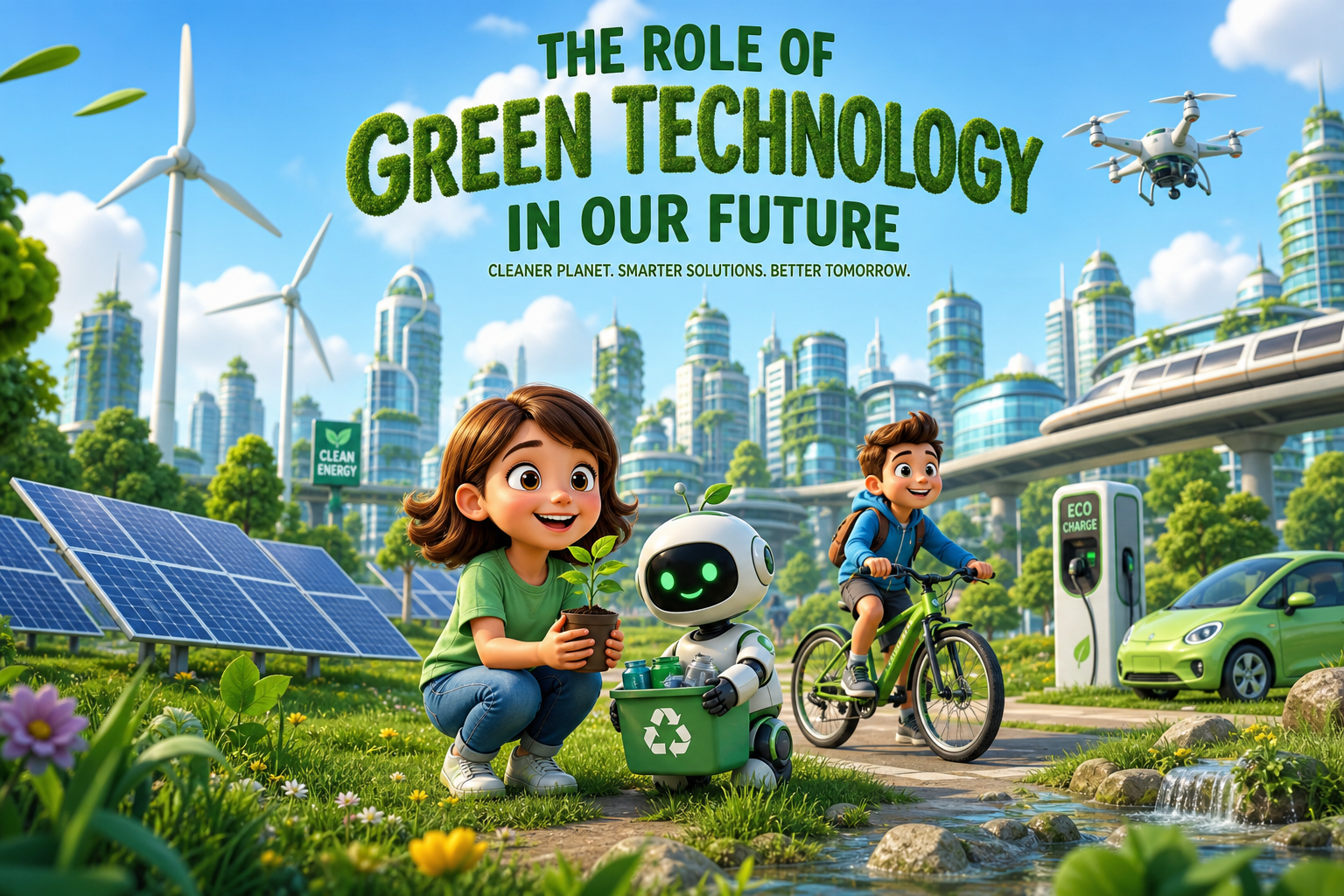
The Importance of Green Technology
Green technology plays a significant role in shaping our future. It refers to innovative solutions that promote sustainability and reduce environmental impact. With rising concerns about climate change, pollution, and resource depletion, green technology is essential for creating a cleaner, healthier world. This technology encompasses various fields, including renewable energy, waste management, and sustainable agriculture. As we move forward, it becomes increasingly vital to invest in and adopt these technologies to ensure a better quality of life for future generations.
Many countries are investing heavily in green technology. For example, the European Union has set ambitious goals for reducing carbon emissions by 55% by 2030. This commitment showcases the importance placed on sustainable practices. Green technology not only helps reduce environmental harm but also creates jobs and boosts economic growth. It is a win-win situation that benefits both the planet and society. Therefore, understanding its role is important for anyone interested in the future of our world.
Renewable Energy Sources
Renewable energy sources are at the forefront of green technology. These sources include solar, wind, hydro, and geothermal energy. Each of these options offers a sustainable alternative to fossil fuels, which contribute significantly to global warming. The use of renewable energy is expanding rapidly. In 2026, solar energy alone accounts for over 30% of the electricity generation in many countries.
Solar panels are now more efficient and affordable than ever. Homeowners can install solar systems to reduce electricity bills. Wind energy is also growing, with large wind farms producing clean energy. Countries like Denmark are leading the way, generating over 50% of their electricity from wind. These renewable sources reduce greenhouse gas emissions and promote energy independence. Additionally, investing in renewable energy creates jobs in manufacturing, installation, and maintenance. Thus, transitioning to renewable energy is a key aspect of green technology.
Sustainable Transportation Methods
Sustainable transportation is another important element of green technology. Traditional vehicles powered by gasoline contribute heavily to air pollution and greenhouse gas emissions. In 2026, electric vehicles (EVs) are gaining popularity as a clean alternative. Many governments offer incentives to encourage EV adoption, such as tax credits and rebates.
Public transportation systems are also evolving. Cities are investing in electric buses and trains, which help reduce congestion and pollution. Biking and walking infrastructure is being improved, encouraging people to choose healthier travel options. Car-sharing programs are on the rise, allowing people to use vehicles when needed without owning one. These methods help decrease reliance on fossil fuels and reduce carbon footprints. In turn, they contribute to cleaner cities and healthier communities.
Energy Efficiency in Buildings
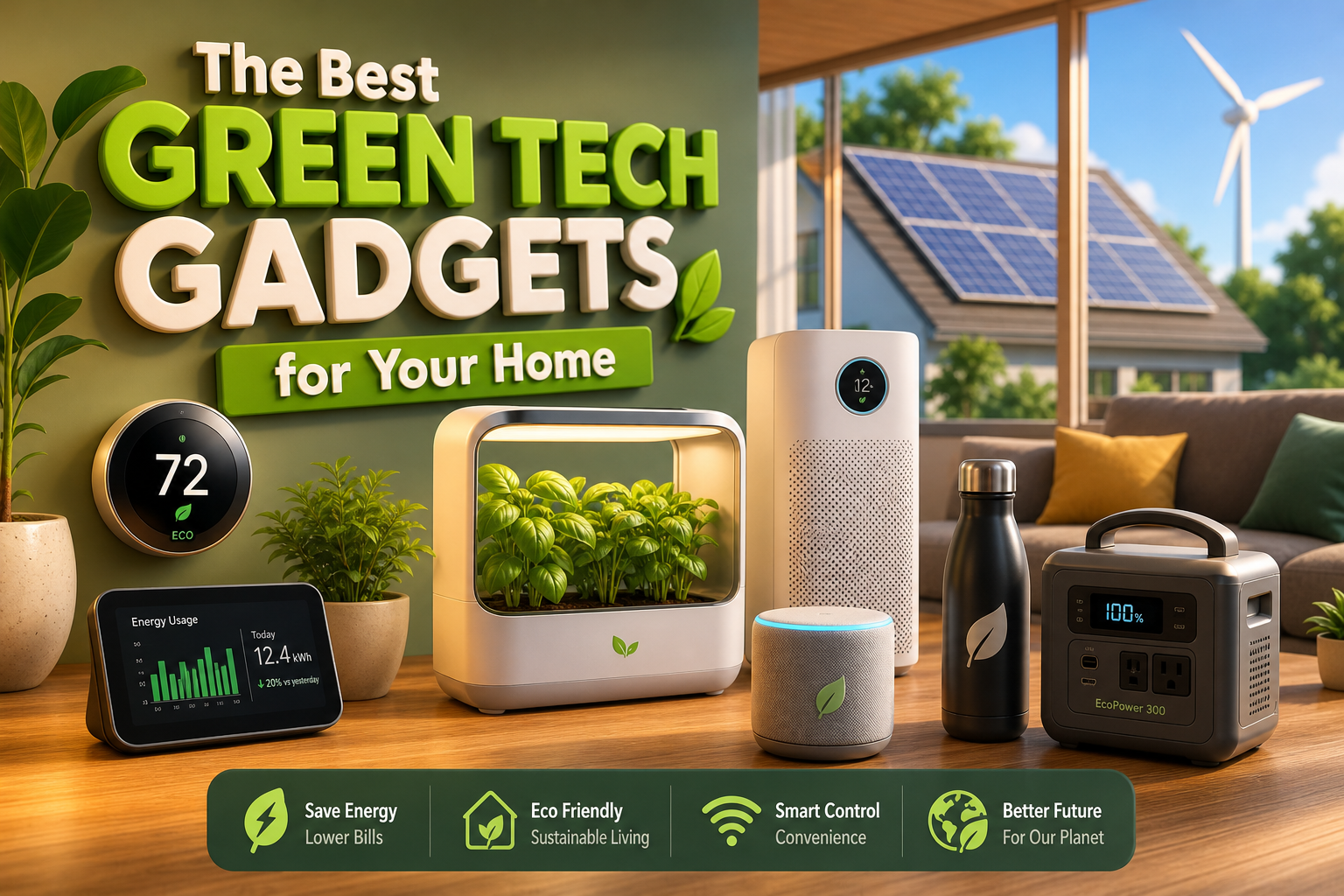
Energy efficiency in buildings is a vital aspect of green technology. Modern construction techniques focus on using materials that conserve energy and minimize waste. Smart home technologies are now widely available, allowing homeowners to monitor and control energy use effectively. For instance, smart thermostats can adjust heating and cooling based on occupancy patterns.
Retrofitting older buildings with energy-efficient upgrades is another critical step. Installing better insulation, energy-efficient lighting, and high-performance windows can significantly reduce energy consumption. In 2026, many cities are implementing green building standards that require new constructions to meet specific energy performance criteria. These standards promote sustainable practices while lowering utility costs for residents. By focusing on energy efficiency, we can reduce our overall environmental impact and create more sustainable living spaces.
Waste Management Innovations
Innovative waste management practices are essential for reducing landfill waste and conserving resources. In 2026, many cities are adopting zero-waste policies, aiming to divert as much waste as possible from landfills. Recycling programs have become more sophisticated, making it easier for residents to recycle everyday items.
Composting is gaining popularity as a way to reduce organic waste. Households can compost food scraps and yard waste, which can then be used as nutrient-rich fertilizer for gardens. Additionally, new technologies are being developed to convert waste into energy. For example, anaerobic digestion processes can break down organic materials, producing biogas that can be used for heating or electricity. These innovations not only help manage waste but also create sustainable energy sources.
The Role of Sustainable Agriculture
Sustainable agriculture is vital for ensuring food security while protecting the environment. Traditional farming practices often rely on chemical fertilizers and pesticides, which can harm ecosystems. In 2026, many farmers are adopting organic and regenerative practices that improve soil health and biodiversity.
Techniques such as crop rotation, cover cropping, and permaculture are becoming more common. These methods promote healthy soils, reduce erosion, and enhance water retention. Precision agriculture, which uses technology to monitor crop health and soil conditions, is also on the rise. This approach allows farmers to apply resources more efficiently, reducing waste and environmental impact.
Urban farming is another growing trend, with many cities encouraging community gardens and rooftop farms. These initiatives help produce fresh food locally, reducing transportation emissions and increasing food access. By embracing sustainable agriculture, we can create a more resilient food system while protecting our planet.
Green Technology in Water Management
Water management is another critical area where green technology plays a significant role. Freshwater resources are limited, and climate change exacerbates water scarcity issues. In 2026, innovative solutions are emerging to improve water conservation and quality. Technologies like rainwater harvesting systems and greywater recycling are gaining traction.
Smart irrigation systems help farmers optimize water use by providing precise moisture levels. This technology reduces water waste while maintaining crop health. Desalination technology is also advancing, providing an alternative source of freshwater in arid regions. While desalination is energy-intensive, improvements in renewable energy integration are making it more sustainable.
Furthermore, protecting natural water sources through conservation efforts is important. Wetland restoration and watershed management help maintain water quality and biodiversity. By investing in green technology for water management, we can ensure a sustainable supply of clean water for future generations.
The Impact of Policy and Regulation
Government policy plays a significant role in the advancement of green technology. Regulations and incentives can drive the adoption of sustainable practices across various sectors. In 2026, many countries are implementing stricter emissions standards for industries and vehicles. These regulations push businesses to innovate and adopt cleaner technologies.
Incentives such as tax credits for renewable energy installations and grants for energy-efficient upgrades encourage individuals and businesses to invest in green technology. Additionally, international agreements like the Paris Agreement set ambitious climate goals that nations must strive to achieve. These commitments promote cooperation and knowledge sharing, leading to faster advancements in green technology.
Public awareness and support for environmental policies are also important. Grassroots movements and advocacy groups play a vital role in pushing for change. Citizens are becoming more informed about environmental issues and demanding action from their governments. Through collaborative efforts, we can create policies that encourage sustainable practices and protect our planet.
The Role of Research and Innovation
Research and innovation are the driving forces behind green technology. In 2026, academic institutions, private companies, and governments are investing heavily in research to find new solutions to environmental challenges. This investment leads to breakthroughs in areas like energy storage, carbon capture, and sustainable materials.
For instance, advancements in battery technology are making renewable energy sources more reliable. Improved energy storage systems allow for better integration of solar and wind energy into the grid. Furthermore, research into biodegradable materials is helping reduce plastic waste. Innovations like these are essential for creating a sustainable future.
Collaboration between different sectors is important for fostering innovation. Public-private partnerships enable knowledge sharing and resource pooling. By working together, stakeholders can develop more effective solutions and accelerate the transition to a greener economy. Supporting research and innovation is vital for overcoming the environmental challenges we face.
The Future of Green Technology
The future of green technology is promising, with numerous opportunities for growth and development. As we face the impacts of climate change, the need for sustainable solutions will only increase. In 2026, we are witnessing a shift toward a more sustainable economy, driven by technological advancements and changing consumer preferences.
Businesses are increasingly recognizing the importance of sustainability. Companies are adopting green practices not only to comply with regulations but also to meet consumer demand for eco-friendly products. This shift is driving innovation and creating new markets for green technologies.
Moreover, individuals are becoming more conscious of their environmental impact. Many are seeking ways to live more sustainably, from reducing energy consumption to supporting local products. This growing awareness will continue to fuel the demand for green technology, ensuring its prominence in the coming years.
In conclusion, green technology is essential for ensuring a sustainable future. By embracing renewable energy, sustainable transportation, efficient buildings, innovative waste management, and sustainable agriculture, we can create a healthier planet. Through supportive policies, research, and collaboration, we can continue to advance green technology and address the challenges ahead.