








Introduction to Sustainable Home Gardens
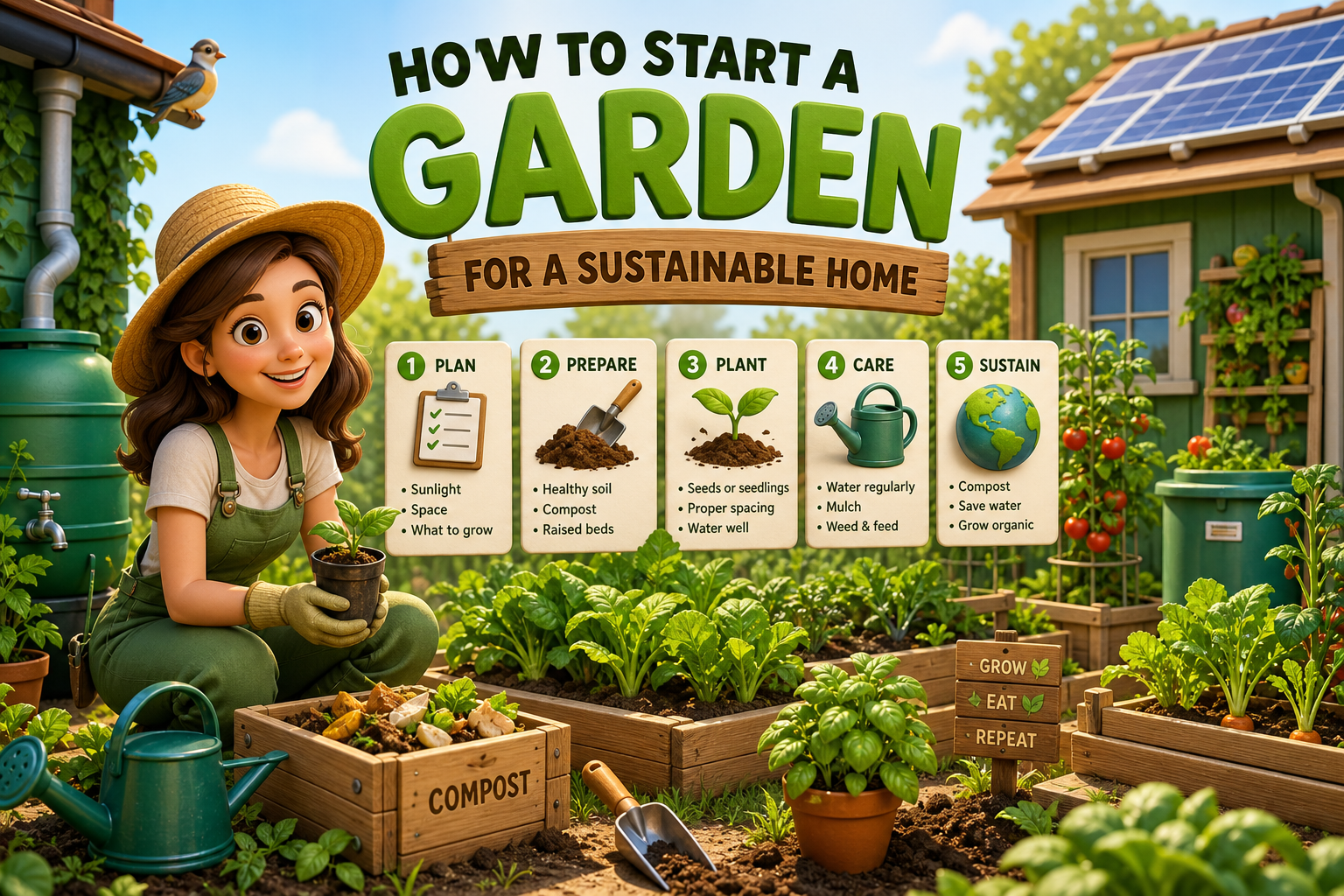
Starting a sustainable home garden is a rewarding experience. It not only provides fresh produce but also promotes environmental health. A sustainable home garden focuses on using eco-friendly practices to grow plants. By doing this, you can reduce your carbon footprint and enjoy a more self-sufficient lifestyle. In 2026, sustainability has become more important than ever, as we face climate challenges. This guide will help you learn how to create a thriving garden that benefits you and the planet.
Choosing the Right Location
The first step to starting a sustainable home garden is to choose the right location. A well-suited spot can make a significant difference in your garden’s success. Look for a sunny area in your yard or on your balcony. Most vegetables and herbs need at least six hours of sunlight each day. Observe the area throughout the day to see how the sun moves. Also, consider the wind direction. If your garden is exposed to strong winds, plants may struggle to grow.
Furthermore, your soil quality is essential. Test the soil to check its pH and nutrient levels. A simple soil test kit can be purchased online or at a garden store. If your soil is lacking nutrients, you can amend it with compost or organic fertilizers. These not only improve the soil quality but also promote healthy plant growth. Remember, a good location will set the foundation for your sustainable home garden.
Planning Your Garden Layout
After selecting a location, it’s time to plan your garden layout. Consider what types of plants you want to grow. You can choose vegetables, herbs, flowers, or a mix. When planning, think about the space each plant needs. Some plants grow tall, while others spread out. For example, tomatoes need vertical space, while lettuce can be planted closer together.
Also, consider companion planting. This practice involves growing different plants next to each other for mutual benefits. For instance, planting basil near tomatoes can help deter pests and improve flavor. Create a garden layout on paper or use garden planning software available in 2026. This will help you visualize your space and make adjustments as needed.
Choosing the Right Plants
Choosing the right plants is important for a sustainable home garden. Select native plants that thrive in your climate. They require less water and are more resistant to local pests. In 2026, many gardening centers offer a range of native plants suited for various regions. Additionally, consider growing heirloom varieties. These old-fashioned plants have been passed down through generations and often have better flavors and resilience than commercial hybrids.
Moreover, plant a variety of crops to promote biodiversity. This can help prevent pests and diseases. For example, rotate your crops each year to keep the soil healthy. You might plant leafy greens one season and root vegetables the next. This rotation helps maintain soil nutrients and reduces the chances of pests becoming established.
Soil Health and Preparation
Soil health is the backbone of any successful garden. To start, clear the area of weeds and debris. Then, loosen the soil with a shovel or a garden fork. This helps improve aeration and drainage. In 2026, many gardeners use raised beds filled with high-quality soil mix. This method allows for better control over soil health and drainage.
Add organic matter such as compost to your soil. Compost enriches the soil with nutrients and improves structure. You can make your own compost by collecting kitchen scraps and yard waste. This not only reduces waste but also provides a free source of organic fertilizer. Remember, healthy soil leads to healthy plants, making soil preparation a vital step in your sustainable home garden.
Watering Techniques for Sustainability
Watering is essential for your plants, but it should be done wisely. Over-watering can lead to root rot, while under-watering can stress plants. In 2026, many gardeners use drip irrigation systems. These systems deliver water directly to the roots, minimizing waste. Consider installing a rainwater collection system to capture rainwater for your garden. This method is eco-friendly and reduces your water bill.
Mulching is another effective technique. Applying a layer of organic mulch around your plants helps retain moisture and suppress weeds. Materials like straw, wood chips, or grass clippings work well. Mulching not only conserves water but also adds nutrients to the soil as it breaks down. By using these techniques, you can create a sustainable watering routine for your home garden.
Pest Management Strategies
Pest management is an important part of maintaining your garden. Instead of relying on chemical pesticides, explore eco-friendly methods. In 2026, integrated pest management (IPM) is a popular approach. This method combines various techniques to control pests naturally. For example, introducing beneficial insects like ladybugs can help keep aphid populations in check.
Additionally, using physical barriers like row covers can protect your plants from pests. Regularly inspect your plants for signs of trouble, such as holes in leaves or unusual discoloration. Catching problems early can prevent infestations. A sustainable garden thrives on biodiversity, so encourage pollinators and other beneficial organisms. By managing pests naturally, your home garden can flourish without harming the environment.
Harvesting and Storing Your Produce
Harvesting your produce at the right time is essential for the best flavor and nutrition. Each plant has its specific harvesting time. For example, leafy greens can be harvested when they reach a certain height, while tomatoes should be picked when fully colored. Regularly check your plants and pick produce as it ripens. This encourages more growth and can improve overall yield.
Once harvested, storing your produce properly is important. Some vegetables, like carrots and potatoes, can be stored in a cool, dark place for weeks. Others, like leafy greens, should be eaten fresh or stored in the fridge. In 2026, many gardeners use vacuum-sealing methods to preserve excess harvests. This process removes air and keeps food fresh longer. By understanding how to harvest and store your produce, you can enjoy the fruits of your sustainable home garden for months.
Community and Learning Resources
Engaging with your community can enhance your gardening experience. Many local gardening clubs and online forums offer valuable resources. In 2026, social media platforms like Instagram and Facebook have groups dedicated to sustainable gardening. Joining these groups allows you to share experiences, ask questions, and learn from others.
Additionally, consider attending workshops or classes in your area. Many community gardens and local agricultural extensions host events that teach various gardening techniques. Learning from experts can provide insights that improve your skills. Building a network of fellow gardeners can also lead to plant swaps and collaborations. Together, you can create a supportive environment that fosters sustainable gardening practices.
Conclusion: Embracing a Sustainable Lifestyle
Starting a sustainable home garden is a journey that brings numerous benefits. It allows you to grow your own food while promoting environmental health. By following the steps outlined in this guide, you can create a thriving garden that supports your sustainable lifestyle. Remember, gardening is not just about growing plants; it is about building a connection with nature and your community. Embrace this journey, and enjoy the rewards of your hard work in the years to come.