








Understanding Eco-Friendly Living
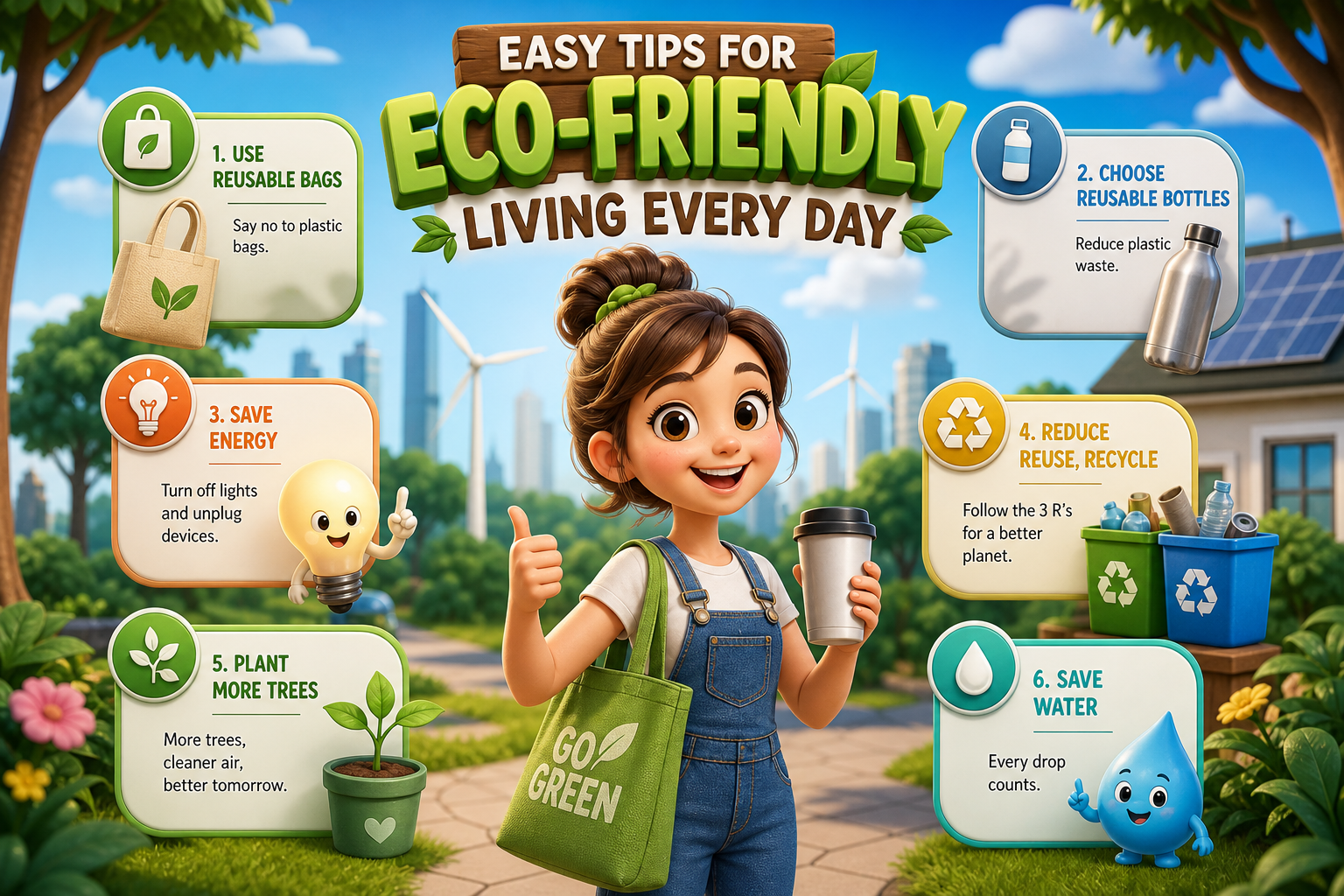
Eco-friendly living means making choices that help protect the environment. This lifestyle focuses on reducing waste, conserving resources, and choosing sustainable options. In 2026, more people are aware of climate change and its effects. This awareness leads to a growing interest in living sustainably. By making small changes in daily habits, anyone can contribute to a healthier planet. It is not just about big lifestyle changes; even small actions can have a positive impact on the environment. From reducing plastic use to conserving water, eco-friendly living is about making mindful decisions every day.
1. Reduce, Reuse, Recycle
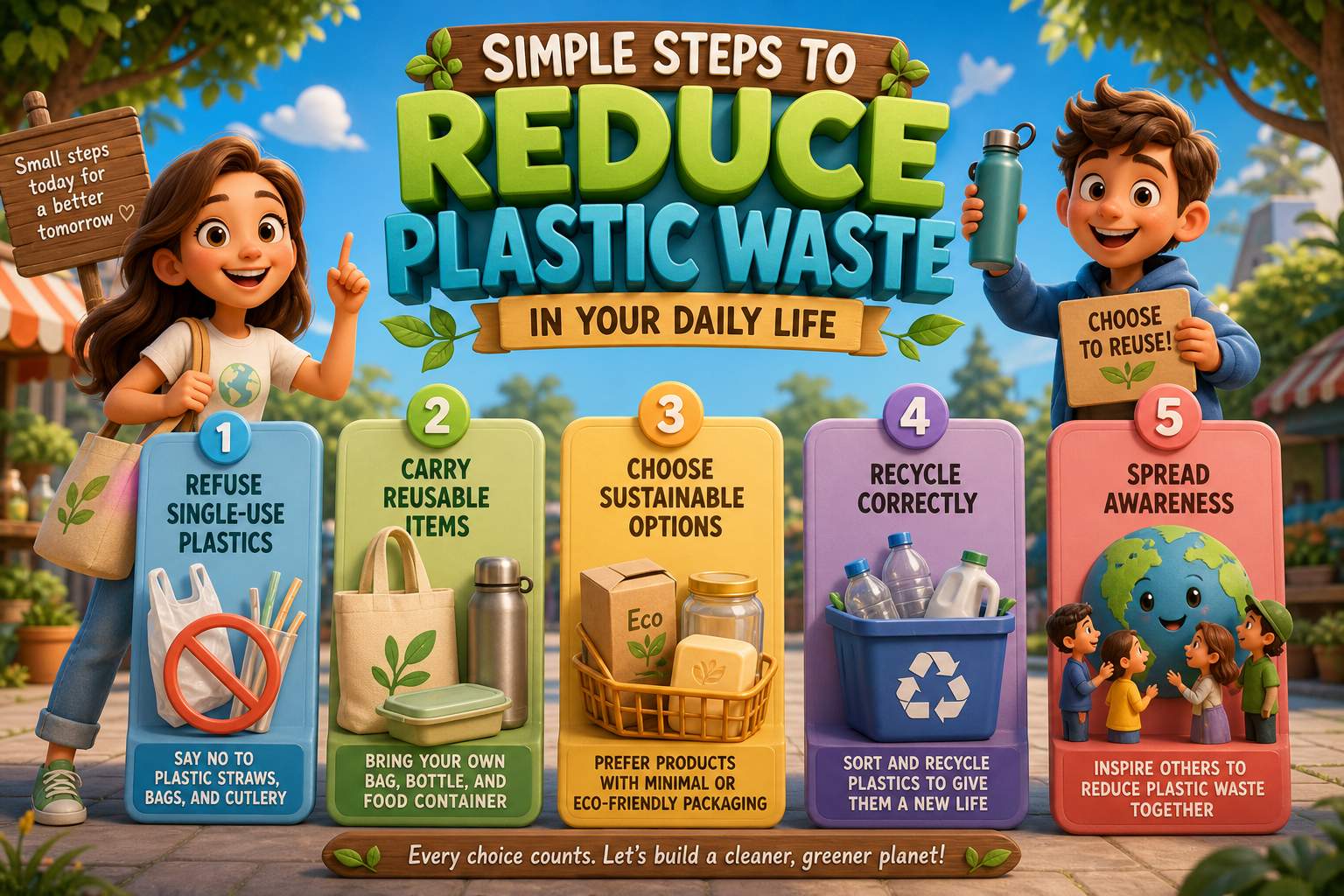
The three Rs, reduce, reuse, recycle, are fundamental to eco-friendly living. Reducing waste starts with making conscious choices. For instance, opt for products with minimal packaging. This reduces the amount of trash you create. Reusing items is also important. Instead of throwing away glass jars, use them for storage or as planters. There are many creative ways to repurpose materials, which keeps useful items out of landfills. Finally, recycling means properly sorting materials. In 2026, many cities have improved recycling programs. Check local guidelines to ensure you are recycling correctly. This simple practice can significantly lower your environmental footprint.
2. Embrace Sustainable Transportation
Transportation is a major source of carbon emissions. In 2026, many options make sustainable travel easier than ever. Consider biking or walking for short trips. Not only does this reduce emissions, but it is also good for your health. For longer distances, public transportation is a great choice. Trains and buses have lower emissions per person compared to cars. If you must drive, carpooling is an excellent way to reduce the number of vehicles on the road. Electric vehicles (EVs) are becoming more accessible, too. Many new models offer long ranges and affordable prices. Transitioning to a greener mode of transportation can make a significant difference.
3. Choose Eco-Friendly Products
When shopping, look for eco-friendly products. This includes items made from sustainable materials or those that are biodegradable. In 2026, there are many brands focused on sustainability. For example, choose cleaning products that are non-toxic and come in recyclable packaging. These choices help reduce harmful chemicals in the environment. Additionally, consider buying second-hand items. Thrift stores and online marketplaces offer many options that are both affordable and eco-friendly. By choosing sustainable products, you support companies that prioritize the planet and encourage others to do the same.
4. Conserve Water Wisely
Water is a precious resource, and conserving it is essential for eco-friendly living. In 2026, many people are looking for simple ways to reduce water usage. Start by fixing leaks in your home. A small drip can waste gallons of water over time. Use water-saving fixtures, such as low-flow showerheads and faucets. These fixtures can significantly reduce water consumption without sacrificing comfort. Additionally, consider collecting rainwater for outdoor use. This practice is becoming more common and can be a great way to water plants. Simple changes in daily routines can lead to substantial water savings.
5. Support Local and Organic Food
Eating locally grown and organic food is another way to live sustainably. In 2026, there is a growing movement toward farm-to-table dining. This supports local farmers and reduces transportation emissions. Visit farmers’ markets to find fresh produce and other local products. Additionally, growing your own food is an empowering way to contribute to eco-friendly living. Even a small garden can produce vegetables and herbs. Organic foods are often grown without harmful pesticides, making them better for your health and the environment. By choosing local and organic options, you can enjoy healthier meals and support sustainable agriculture.
6. Minimize Energy Consumption
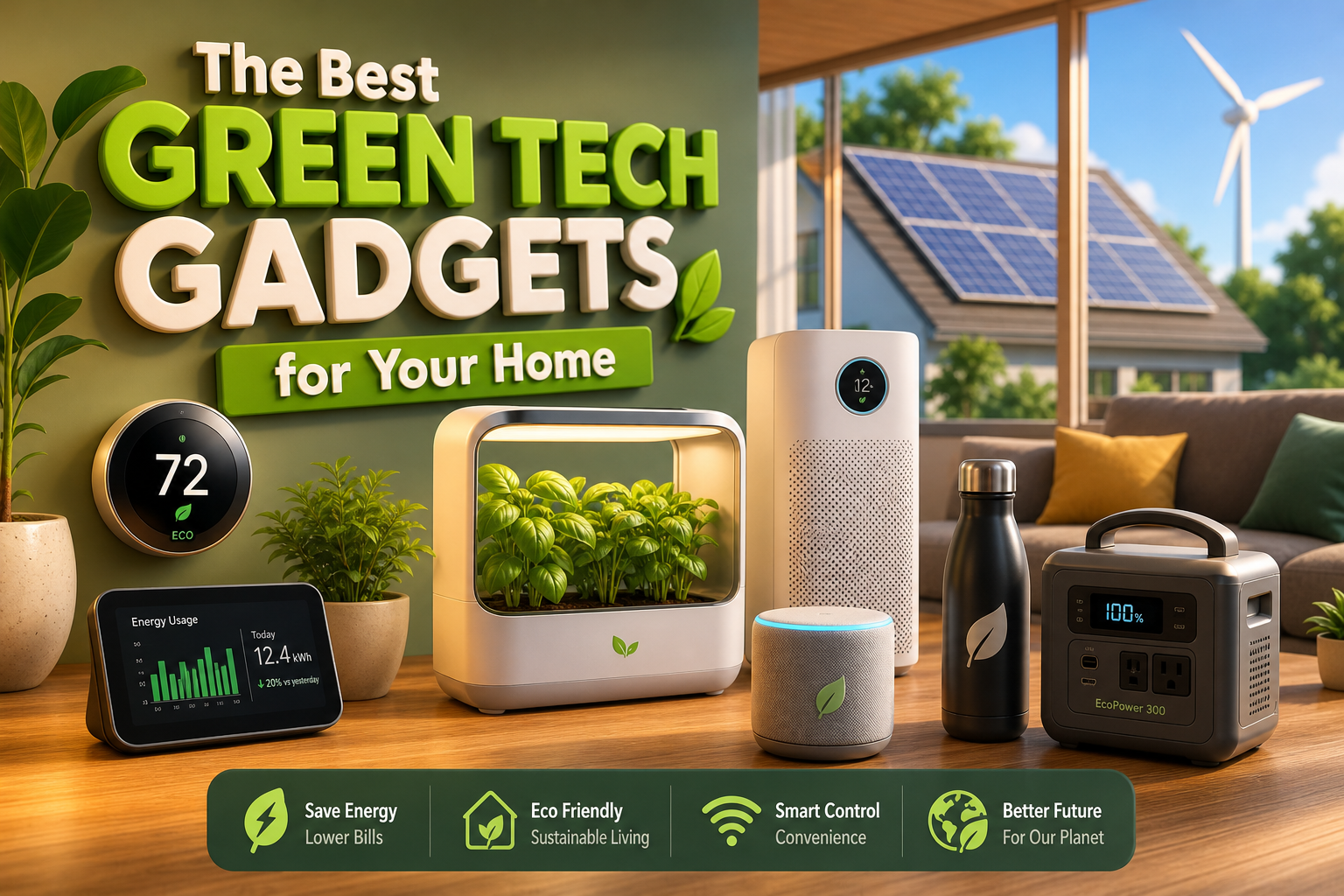
Reducing energy consumption at home is vital for eco-friendly living. In 2026, many new technologies help people save energy. Start by switching to energy-efficient appliances. Look for the Energy Star label when buying new products. These appliances use less energy and save money on utility bills. Additionally, consider using smart home technology to monitor and reduce energy use. Smart thermostats can adjust heating and cooling based on your routines. Simple actions, like turning off lights when leaving a room or unplugging devices not in use, also contribute to energy savings. Small changes can lead to big reductions in energy usage over time.
7. Engage in Community Initiatives
Being part of your community can amplify efforts toward eco-friendly living. In 2026, many neighborhoods organize clean-up events or tree-planting days. Participating in these activities not only helps the environment but also builds connections with others. Look for local environmental groups or initiatives to join. Many organizations focus on education and advocacy for sustainable practices. Volunteering can empower you to make a difference and inspire others to adopt eco-friendly habits. Because collective action can lead to significant change, engaging with your community can amplify your eco-friendly efforts.
8. Educate Yourself and Others
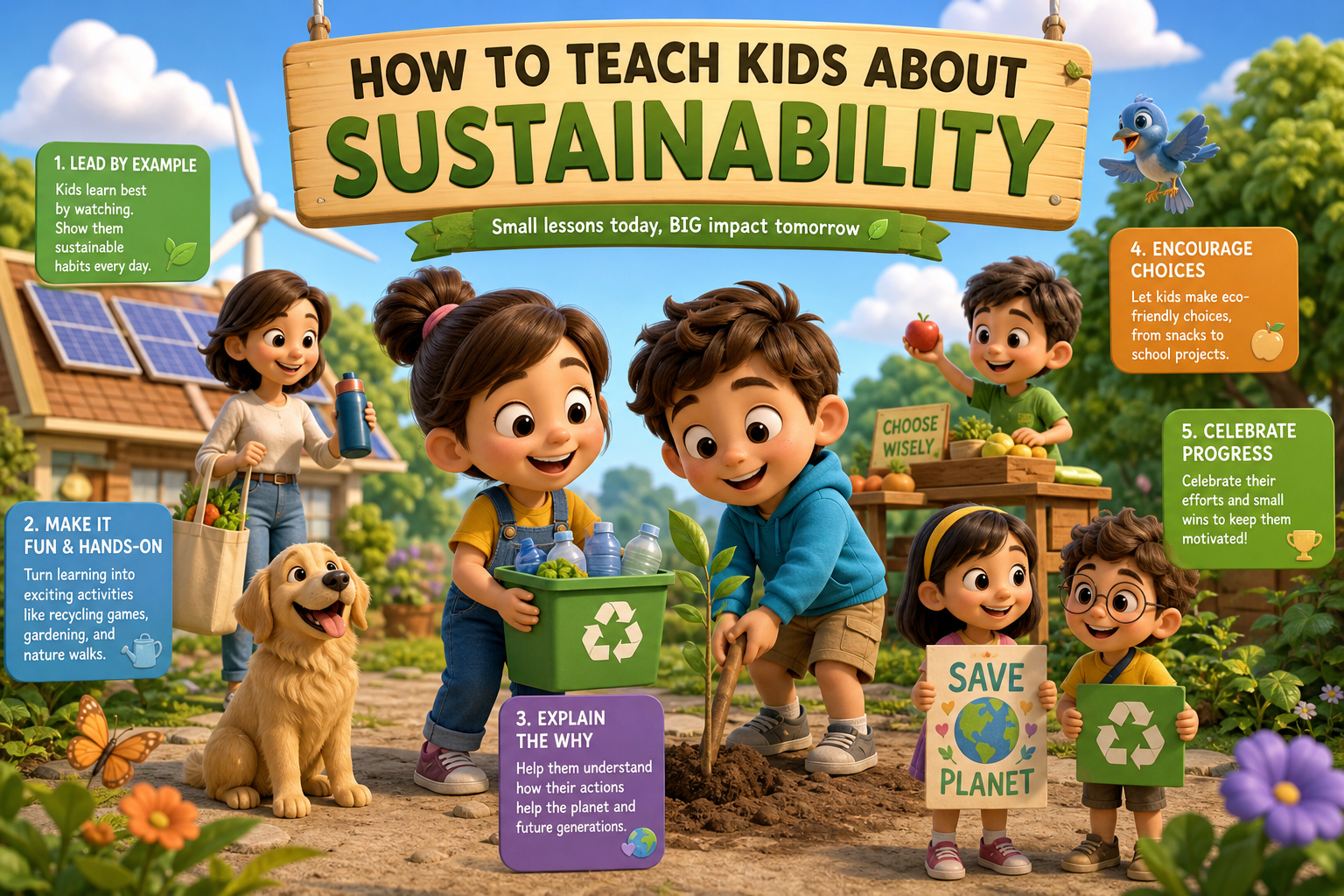
Staying informed about environmental issues is key to eco-friendly living. In 2026, many resources are available online and in print. Read articles, watch documentaries, and attend workshops to learn more about sustainability. Share this knowledge with friends and family. By discussing eco-friendly practices, you encourage others to join the movement. Because every person’s effort counts, educating others creates a ripple effect. Consider starting a blog or social media page dedicated to sharing eco-friendly tips. This can help you connect with like-minded individuals and spread awareness about the importance of sustainable living.
In conclusion, making eco-friendly choices is essential for protecting our planet. By implementing these easy tips in daily life, anyone can contribute to a more sustainable future. Remember, every little action counts. Start small and gradually incorporate more practices into your routine. Together, we can create a healthier environment for generations to come.