





Understanding Plastic Waste
Plastic waste is a significant problem for our planet. Every year, millions of tons of plastic end up in landfills and oceans. This waste harms wildlife and contributes to pollution. In 2026, the urgency to tackle this issue is more pressing than ever. Understanding the types of plastic and their impact can help you make informed choices. Most household plastics come from packaging, like bottles, bags, and containers. Many of these items are single-use, meaning they are used once and thrown away. This cycle creates a large amount of waste that can take hundreds of years to decompose. By recognizing the problem, you can take steps to reduce your plastic output.
Assessing Your Plastic Usage
The first step in reducing plastic waste is to assess your current usage. Take a week to track how much plastic you use. Write down items you buy, like food packaging, personal care products, and household supplies. After a week, look at your notes. Identify the main sources of plastic in your life. Are you buying a lot of bottled water? Do you often use plastic bags? Knowing where your plastic comes from is essential. Once you have this information, you can start to make changes. Consider alternatives to these products. For example, you could switch to reusable bags and bottles. By being aware of your habits, you can begin to cut back on plastic.
Choosing Reusable Products
Switching to reusable products is one of the most effective ways to reduce plastic waste. Invest in high-quality reusable bags, bottles, and containers. For shopping, use sturdy reusable bags instead of plastic ones. Many stores now offer incentives for bringing your bags. For drinks, choose a reusable water bottle. This not only cuts plastic use, but it can also save you money in the long run. Consider reusable containers for food storage as well. Products made from glass or stainless steel are excellent alternatives. These materials last longer and do not leach harmful chemicals into your food. By choosing reusable options, you help cut down on the demand for single-use plastics.
Composting Organic Waste
Composting is another effective way to reduce plastic waste. Many people do not realize that organic waste often comes wrapped in plastic. Instead of throwing away food scraps, compost them. Composting helps reduce the amount of waste sent to landfills. It also provides nutrient-rich soil for gardening. You can start composting at home easily. Use a compost bin or create a simple pile in your yard. Make sure to add a mix of green materials, like fruit scraps, and brown materials, like leaves. Avoid putting plastic items in your compost. By composting, you reduce plastic waste and create a sustainable cycle for your home.
Shopping Smart
When shopping, being smart can significantly reduce plastic waste. Choose products with minimal packaging. Look for items in bulk or those made from sustainable materials. Many stores offer bulk bins for grains, nuts, and spices. Bring your containers to refill them. This helps reduce the need for plastic packaging. Pay attention to labels. Some products may seem eco-friendly but still have plastic components. Opt for brands that prioritize sustainability. Also, consider shopping at local farmers’ markets. This supports local businesses and often reduces packaging waste. By being mindful of your shopping habits, you contribute to a larger movement towards reducing plastic waste.
Educating Your Family
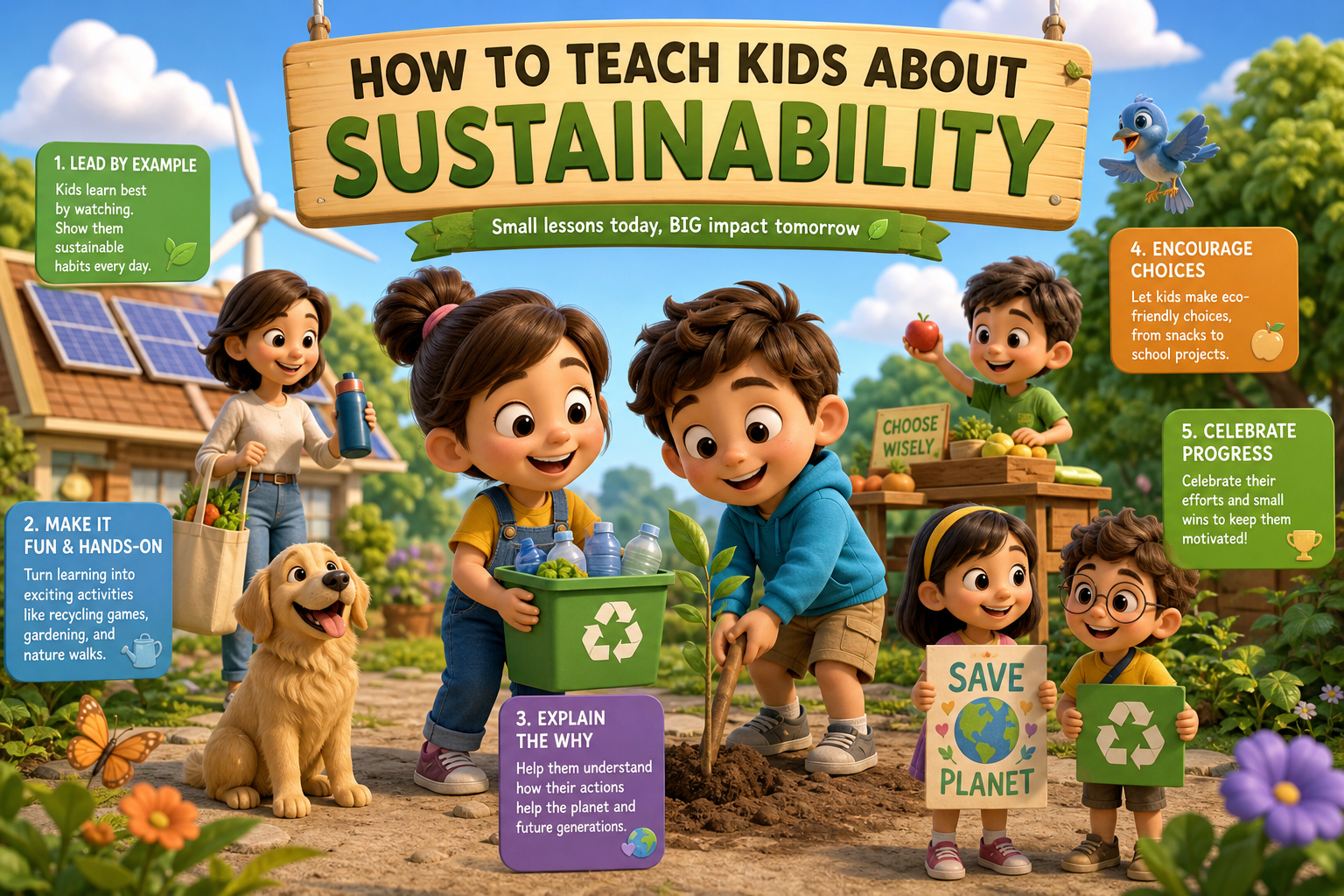
Involving your family in reducing plastic waste is vital. Start discussions about why reducing plastic is important. Teach children the impact of plastic on the environment. Make it a family project to find alternatives to plastic products. For example, create a goal to use no plastic for a week. This can be a fun challenge for everyone. Encourage kids to bring reusable containers for their lunches. Show them how to recycle properly and why it matters. When everyone is involved, it creates a sense of responsibility. Education fosters a culture of sustainability at home, which can last for generations.
Recycling Correctly
Recycling is an essential part of reducing plastic waste, but it must be done correctly. Many people mistakenly believe that all plastics can be recycled. In reality, not all plastic items are recyclable. Check your local recycling guidelines to know what can be recycled. Clean and sort your plastics before placing them in the recycling bin. Remove any food residue, as this can contaminate the recycling process. If your community offers drop-off centers, consider using them for plastics that are not picked up curbside. Proper recycling helps ensure that materials are reused and reduces the need for new plastic production.
Supporting Sustainable Brands
Another way to reduce plastic waste is by supporting sustainable brands. Many companies now focus on sustainability and offer products with minimal or no plastic. Research brands that align with your values. Look for those that use eco-friendly packaging or offer refill programs. You can also support companies that prioritize recycling and waste reduction. When you choose to buy from these brands, you send a message that consumers care about sustainability. This encourages more businesses to adopt eco-friendly practices. Your purchasing power can drive change in the market and help reduce plastic waste.
Advocating for Change
Lastly, advocating for change in your community is vital to reducing plastic waste. Engage with local leaders and organizations to promote policies that limit plastic use. Participate in clean-up events or educational workshops. Share your knowledge about reducing plastic waste on social media. Encourage your friends and family to join you in these efforts. Support local initiatives that focus on sustainability. Every small action contributes to a larger movement. By advocating for change, you help raise awareness and inspire others to take action against plastic waste.
Reducing plastic waste at home is a journey that begins with awareness and small steps. By understanding your plastic usage, choosing reusable products, and shopping smart, you can make a significant impact. Composting and recycling correctly further help reduce waste. Educating your family and supporting sustainable brands also play important roles. Finally, advocating for change in your community creates a ripple effect that can lead to broader environmental benefits. In 2026, making these changes is more important than ever for the health of our planet. Take action today to reduce plastic waste and contribute to a more sustainable future.