







Smart thermostats have transformed how we manage home heating and cooling. These modern devices not only enhance comfort but also play a significant role in saving energy and reducing utility bills. Homeowners are increasingly adopting smart technology to create more efficient living environments. With rising energy costs, now is an excellent time to explore the benefits of smart thermostats.
- Smart thermostats can reduce energy bills by up to 30%.
- Scheduling features allow for efficient energy use during peak hours.
- Many models offer smartphone connectivity for easy temperature control.
Table of Contents
How Smart Thermostats Works in Practice
Smart thermostats are advanced devices that learn your habits and adjust your home’s temperature automatically. Unlike traditional thermostats that require manual adjustments, smart thermostats can adapt to your lifestyle. They often come with features like learning algorithms, remote access, and even integration with other smart home devices.
These devices can analyze your energy usage and provide insights into how you can save more. For example, many smart thermostats can track when you are home or away and adjust the temperature accordingly. This means your home can be warm when you arrive and save energy while you are out.
Many models also connect to your smartphone or tablet, allowing you to control your home’s climate from anywhere. This feature is especially useful for those who have unpredictable schedules or travel frequently. With the right model, you can ensure that your home is always at a comfortable temperature when you return.
Key Features of Smart Thermostats
- Learning Capabilities: Many smart thermostats learn your habits and adjust settings automatically for maximum efficiency.
- Remote Access: Control your thermostat from your smartphone, allowing adjustments from anywhere, anytime.
- Energy Reports: Get detailed reports on your energy consumption, helping you identify ways to save.
- Integration: Connect with other smart devices in your home for a more cohesive system.
Energy Efficiency and Cost Savings
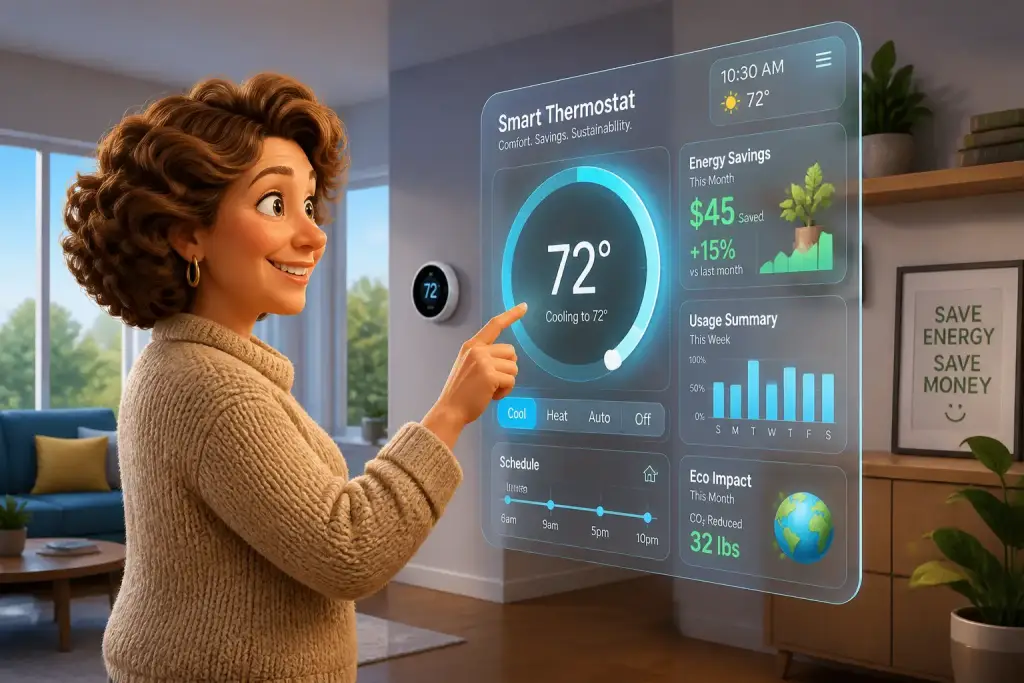
Energy efficiency is one of the primary advantages of smart thermostats. By optimizing your heating and cooling systems, these devices can help reduce energy consumption significantly. Studies show that homes with smart thermostats can save up to 30% on heating and cooling costs, translating to substantial savings over time.
Smart thermostats accomplish this by utilizing features like scheduling, geofencing, and remote sensors. Scheduling allows you to set specific times for heating or cooling to occur, ensuring that energy is not wasted when you are not at home. Geofencing uses your smartphone’s location to adjust the temperature when you leave or return, further enhancing efficiency.
For example, if you typically leave for work at 8 AM and return at 5 PM, you can program your thermostat to lower the heating or cooling while you’re away. This simple adjustment can lead to noticeable savings on your monthly energy bills. Additionally, many utility companies offer incentives for using smart thermostats, making them even more appealing.
How to Maximize Energy Savings
- Set a Schedule: Program your thermostat to heat or cool your home only when needed.
- Use Energy Reports: Regularly check your energy consumption reports to spot trends and adjust settings accordingly.
- Adjust Temperature Gradually: Instead of large changes, adjust your thermostat by a few degrees for comfort without wasting energy.
- Take Advantage of Geofencing: Ensure your thermostat is set to react when you leave or return home.
The Environmental Impact of Smart Thermostats
Using smart thermostats not only saves money but also benefits the environment. Energy production contributes to greenhouse gas emissions, and by reducing energy use, homeowners can lower their carbon footprint. Every degree saved in heating or cooling can lead to significant reductions in energy demand.
Smart thermostats can help shift energy usage to off-peak times. When many users adjust their heating or cooling during peak hours, it can lead to increased strain on power grids. Smart thermostats can help spread out this demand, contributing to a more stable energy system.
To their energy-saving benefits, many smart thermostats are designed with eco-friendly materials and practices in mind. When selecting a model, look for those that emphasize sustainability in their manufacturing processes. This way, your choice contributes positively to both your home and the planet.
Implementing Sustainable Practices
- Choose Energy Star Models: Look for smart thermostats certified by Energy Star for efficiency.
- Participate in Utility Programs: Many utilities offer programs for energy-saving devices, providing incentives for installation.
- Reduce Peak Usage: Use the scheduling feature to limit energy use during peak hours, which can help reduce demand on the grid.
- Regular Maintenance: Ensure your HVAC system is well-maintained for optimal performance and energy efficiency.
Selecting the Right Smart Thermostat
Choosing the best smart thermostat for your home involves considering several factors. Not all models are the same, and finding one that suits your lifestyle and home environment is essential. Begin by assessing compatibility with your existing HVAC system. Some models work better with specific systems, so check manufacturer guidelines.
Next, consider features that align with your needs. Do you want remote access? Would you benefit from learning capabilities? Some models also offer integration with home assistants like Google Assistant or Amazon Alexa, allowing voice control of your thermostat.
Another important factor is the design and user interface. A well-designed thermostat with an easy-to-read display can enhance your experience. Take the time to read reviews and compare various options to find the one that meets your expectations. The investment in a quality smart thermostat can pay off in energy savings and comfort.
Popular Smart Thermostat Models
- Nest Learning Thermostat: Known for its learning capabilities and sleek design, it adapts to your habits.
- Ecobee SmartThermostat: Comes with remote sensors for better temperature control throughout your home.
- Honeywell Home T9: Offers flexible scheduling features and easy integration with smart home systems.
Set your thermostat to adjust when you are not home to maximize energy savings.
Key Steps to Sustain A Smart Investment for Your Home
Investing in a smart thermostat is a decision that can lead to significant energy savings and comfort enhancement. These devices not only help you save on your utility bills but also contribute positively to the environment. With various models available, finding the right thermostat for your home can be a straightforward process.
As energy costs continue to rise, adopting energy-saving technology like smart thermostats becomes increasingly important. By taking advantage of their features, homeowners can optimize their energy use, reduce costs, and enjoy a more comfortable home environment. Remember to explore options and select a model that fits your needs while considering the long-term benefits of energy efficiency.

Virginia De Angelis
Founder & Lead EditorVirginia De Angelis is the founder and lead editor of Eco Zoned in Italy, where she guides readers towards practical innovative eco-tech solutions for everyday life.