







Choosing energy-efficient appliances is essential for anyone looking to save money and reduce their environmental impact. With the rising costs of energy and growing awareness of climate change, making smart appliance choices can lead to significant long-term savings. Modern appliances use less energy, which translates into lower utility bills for homeowners. Understanding how to select the right appliances requires some knowledge about energy efficiency ratings, available technologies, and how these choices affect your home’s overall energy consumption. This guide aims to provide you with practical advice on choosing the best energy-efficient appliances for your needs.
- Research the energy ratings of appliances before purchasing.
- Look for products with the Energy Star label for efficiency.
- Consider the long-term savings on utility bills when selecting appliances.
Table of Contents
Essential Foundations of Energy Efficiency Ratings
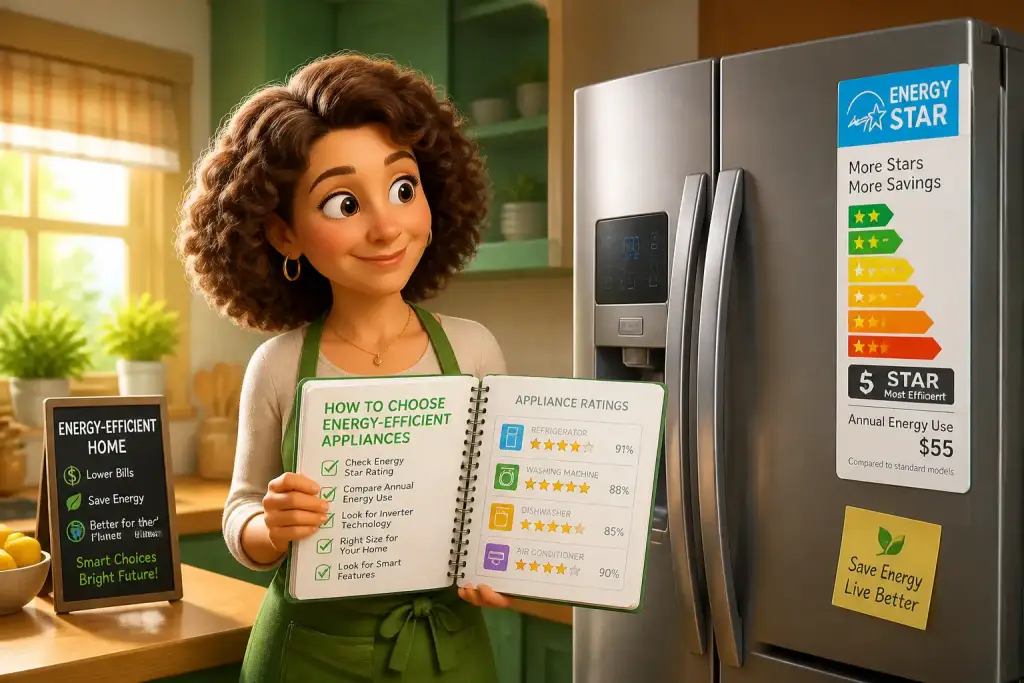
The first step in selecting energy-efficient appliances is understanding the various energy efficiency ratings available today. Each rating provides insights into how much energy an appliance uses compared to similar models. Common labels include the Energy Star label, which signifies that a product meets strict energy efficiency guidelines set by the U.S. Environmental Protection Agency.
Energy Star-certified appliances are designed to use less energy while still delivering the same performance as their conventional counterparts. For example, Energy Star refrigerators use about 15% less energy than non-certified models. When shopping, look for the Energy Guide label, which provides specific energy consumption information. This label displays the estimated yearly operating cost and energy use, allowing you to compare different models easily.
Besides Energy Star, there are other certifications and ratings to consider. For instance, the EU energy label categorizes appliances from A (most efficient) to G (least efficient). This system helps consumers quickly identify energy-saving options. Understanding these labels is crucial for making informed decisions that not only save you money but also support environmental sustainability.
Tips for Selecting Energy-Efficient Appliances
Choosing energy-efficient appliances involves more than just checking labels. Various factors come into play that can influence your decision. Think about your household’s specific needs and how often you use particular appliances. For instance, if you frequently cook, investing in a high-efficiency range or oven could lead to substantial savings over time.
Consider the following tips when selecting your appliances:
- Assess Your Needs: Determine which appliances you use the most and prioritize those for energy efficiency.
- Do Your Research: Look up various brands and models online. Read reviews and energy consumption data to find the best options.
- Compare Models: When you find a few options, compare their energy ratings and features to see which one offers the best value.
- Check for Rebates: Many local governments and utility companies offer incentives for purchasing energy-efficient appliances. Check if you qualify for any rebates.
By following these tips, you can make informed choices that not only suit your lifestyle but also save you money in the long run.
The Role of Smart Appliances
Smart appliances are becoming increasingly popular in homes around the world. These devices not only offer convenience but can also help reduce energy consumption. Smart appliances can connect to your home Wi-Fi network, allowing you to control their operation remotely through an app on your smartphone.
For instance, a smart thermostat can learn your schedule and adjust heating and cooling settings automatically. This feature ensures that energy is not wasted when you are away from home. Similarly, smart refrigerators can notify you when doors are left open or suggest recipes based on the ingredients you have, minimizing food waste.
Many smart appliances offer energy monitoring features. These features let you track energy usage in real-time, giving you insights into your consumption patterns. By understanding how and when you use energy, you can make adjustments to save even more. For example, running your dishwasher during off-peak hours can significantly lower your energy costs.
Evaluating Long-Term Costs
While the initial purchase price of appliances is important, evaluating long-term costs is equally crucial. Energy-efficient appliances often have a higher upfront cost, but they can lead to considerable savings over time through reduced energy bills. To assess long-term costs, consider the following:
- Calculate Energy Savings: Use the information on energy labels to estimate how much you will save each year based on your typical usage.
- Consider Lifespan: Look for appliances that have a longer lifespan. A higher initial investment may be worthwhile if the appliance lasts significantly longer than cheaper alternatives.
- Factor in Maintenance: Some energy-efficient models require less maintenance, which can save you money over time.
By taking the time to calculate these factors, you can make a sound investment that pays off in the long run.
Always compare the energy costs of similar appliances to determine the most economical option for your home.
Appliances to Prioritize for Energy Efficiency
When updating your home, certain appliances offer greater potential for energy savings than others. Prioritizing these appliances can greatly reduce your household’s overall energy consumption. Here are key appliances to focus on:
1. Refrigerators
Refrigerators run continuously, making them one of the largest energy consumers in a home. Choosing an Energy Star model can lead to significant savings. Look for features like dual compressors, which allow the fridge and freezer to operate independently, increasing efficiency.
2. Washers and Dryers
Energy-efficient washing machines use less water and energy per load. Models with front-loading designs tend to be more efficient than top-loaders. Consider air-dry options in dryers to save even more energy.
3. Dishwashers
Modern dishwashers use less water than washing by hand. Look for models that have soil sensors, which adjust water use based on how dirty the dishes are. This feature helps conserve both water and energy.
By focusing on these critical appliances, you can maximize your energy efficiency and reduce your bills significantly.
Beyond Appliances: Whole Home Energy Efficiency
While selecting energy-efficient appliances is vital, improving your home’s overall energy efficiency is equally important. Simple changes in your home can lead to substantial savings. Start by focusing on insulation. Proper insulation helps maintain a consistent temperature, reducing the need for heating and cooling.
Consider checking your windows and doors for air leaks. Sealing gaps with weatherstripping or caulking can prevent drafts and improve energy efficiency. Additionally, using energy-efficient lighting, such as LED bulbs, can also lower your energy consumption significantly.
Smart home technology can assist in managing energy use throughout your home. Smart plugs and outlets allow you to control devices remotely, ensuring they are not left on unnecessarily. For a comprehensive approach, consider integrating these technologies with your energy-efficient appliances.
Making the Transition to Energy Efficiency
Transitioning to energy-efficient appliances and practices can feel overwhelming, but taking small steps makes it manageable. Start by replacing your oldest, least efficient appliances first. This approach allows you to see immediate savings while gradually upgrading your home. When considering replacements, always research and compare options based on energy efficiency.
Engage your family in the process. Educating everyone about energy-saving practices, such as turning off lights when leaving a room or using cold water for laundry, can help reinforce a culture of energy efficiency in your home. Also, track your energy bills monthly to see the direct impact of your new appliances and practices.
Finally, remember that energy-efficient appliances not only reduce costs but also contribute to a healthier planet. By making thoughtful choices, you play a part in reducing greenhouse gas emissions and promoting sustainable living.

Virginia De Angelis
Founder & Lead EditorVirginia De Angelis is the founder and lead editor of Eco Zoned in Italy, where she guides readers towards practical innovative eco-tech solutions for everyday life.