







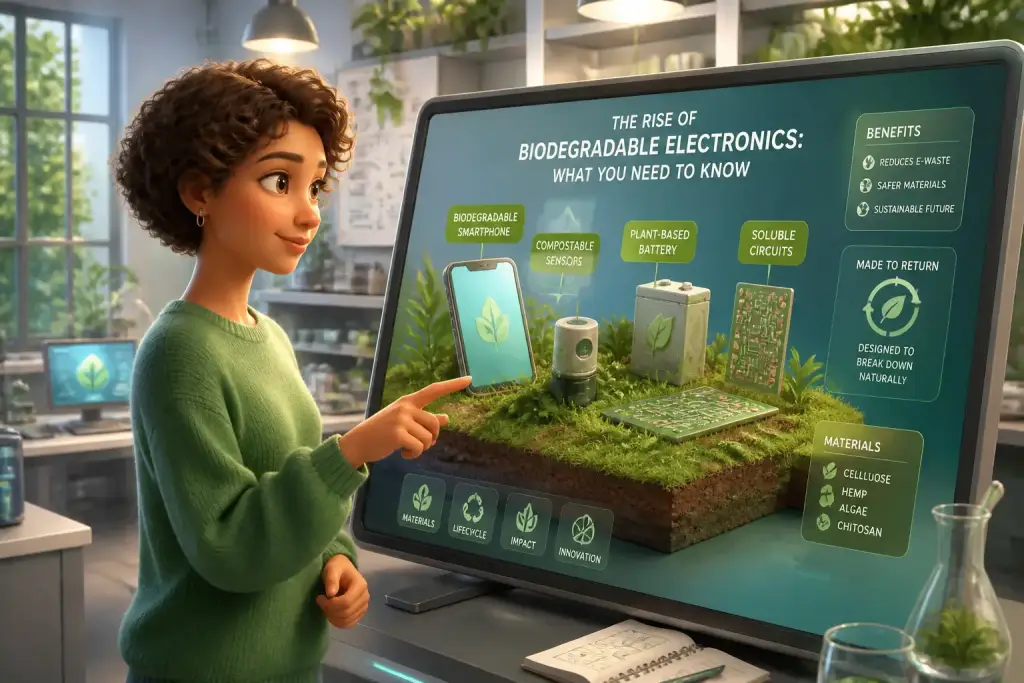
Biodegradable electronics are gaining traction in today’s technology-driven world. As environmental concerns grow, the need for sustainable solutions becomes more pressing. These innovative devices offer a promising alternative to traditional electronics, which often contribute to significant waste. This article explores the rise of biodegradable electronics, their benefits, and what you need to know about this exciting development.
- Biodegradable electronics reduce electronic waste and pollution.
- These products use natural materials that break down safely.
- Awareness of sustainable options is growing among consumers.
Table of Contents
- Core Elements of Biodegradable Electronics
- The Environmental Impact of Traditional Electronics
- Key Benefits of Biodegradable Electronics
- Current Applications of Biodegradable Electronics
- Challenges in the Biodegradable Electronics Industry
- Future Outlook for Biodegradable Electronics
- How to Choose Biodegradable Electronics
- Next Steps for Better Embracing a Sustainable Future
Core Elements of Biodegradable Electronics
Biodegradable electronics refer to devices made from materials that can safely break down in the environment. Unlike conventional electronics, which often contain harmful substances like plastics and heavy metals, biodegradable options use organic materials. These materials can decompose naturally, reducing pollution and waste. The technology behind these devices is still evolving, but researchers are making significant strides.
Common components of biodegradable electronics include biodegradable polymers, organic semiconductors, and natural fibers. These materials are designed to perform similar functions to their non-biodegradable counterparts while being more environmentally friendly. For instance, organic semiconductors can be used in displays and sensors, providing an efficient alternative without the negative impact on the environment.
The shift towards biodegradable electronics is not just a trend; it represents a significant change in how we approach technology. As consumers become more environmentally conscious, they seek products that align with their values. This demand encourages companies to invest in research and development for biodegradable solutions. The potential for innovation in this field is vast, leading to new applications and improvements in existing technologies.
The Environmental Impact of Traditional Electronics
Traditional electronics pose several environmental challenges. The production process often involves the extraction of rare minerals and materials, which can lead to habitat destruction and pollution. Furthermore, when these devices reach the end of their life cycle, they frequently end up in landfills, where they can take hundreds of years to decompose.
Electronic waste, or e-waste, is one of the fastest-growing waste streams globally. According to recent statistics, over 50 million tons of e-waste are generated each year. Many of these devices contain toxic substances that can leak into the soil and water, posing significant health risks to humans and wildlife. The need for a more sustainable solution is urgent.
By adopting biodegradable electronics, we can minimize these negative impacts. These products break down naturally, reducing the amount of waste that ends up in landfills. Additionally, they can help conserve resources by using renewable materials. This shift not only addresses environmental concerns but also promotes a circular economy, where products are designed for reuse and recycling.
Key Benefits of Biodegradable Electronics
Biodegradable electronics offer several advantages over traditional devices. One of the most significant benefits is their reduced environmental impact. By using materials that can decompose naturally, these products help decrease the amount of electronic waste produced. This is essential for protecting our planet’s ecosystems.
Another benefit is the potential for innovation. As researchers explore new materials and technologies, they discover novel applications for biodegradable electronics. For instance, biodegradable sensors can be used in agriculture to monitor soil health without leaving harmful residues. This advancement supports sustainable farming practices and contributes to food security.
Cost-effectiveness is also a consideration. While biodegradable electronics may have higher production costs initially, prices are expected to decrease as demand increases and manufacturing processes improve. Over time, these devices could become more affordable, making them accessible to a broader audience. This shift could lead to a significant increase in consumer adoption.
- Reduced electronic waste in landfills.
- Less environmental pollution from toxic materials.
- Support for sustainable innovation in technology.
Research brands committed to sustainability and prioritize biodegradable electronics to minimize your environmental footprint.
Current Applications of Biodegradable Electronics
The applications for biodegradable electronics are varied and exciting. One prominent use is in the health sector. Biodegradable devices are being developed for medical applications, such as temporary implants or sensors that monitor health conditions. Once their purpose is served, these devices can break down safely in the body or the environment, eliminating the need for surgical removal.
Another application is in consumer electronics. Many companies are experimenting with biodegradable materials for phone cases, chargers, and even circuit boards. These products appeal to environmentally conscious consumers who want to reduce their carbon footprint while enjoying modern technology.
In the agricultural sector, biodegradable sensors are being used to monitor soil conditions. These sensors provide valuable data to farmers, helping them make informed decisions about irrigation, fertilization, and crop management. Because these devices are biodegradable, they do not contribute to soil pollution.
Examples of Current Technologies
Several companies are leading the way in developing biodegradable electronics:
- Apple: The tech giant has begun exploring biodegradable materials for its packaging and accessories, aiming to reduce waste.
- Samsung: This company is investing in research to create biodegradable components for its smartphones and other devices.
- Agri-Tech Startups: Numerous startups are focusing on developing biodegradable sensors for use in agriculture, promoting sustainable farming practices.
Challenges in the Biodegradable Electronics Industry
Despite the many benefits, the biodegradable electronics industry faces several challenges. One major issue is the performance of biodegradable materials. While these materials can break down safely, they must also meet the performance standards of traditional electronics. Researchers and manufacturers are continually working to enhance the durability and efficiency of biodegradable components.
Another challenge is consumer awareness. Many people are still unfamiliar with biodegradable electronics and may not understand their benefits. Education and marketing play crucial roles in promoting these products. Companies must communicate the advantages clearly to encourage consumer adoption.
Lastly, regulatory hurdles can impede the growth of biodegradable electronics. Governments and organizations must establish guidelines and standards for these products to ensure their safety and efficacy. Collaboration between industry leaders, researchers, and policymakers is essential for creating a supportive environment for biodegradable technologies.
Future Outlook for Biodegradable Electronics
The future of biodegradable electronics looks promising. As technology continues to advance, researchers are expected to develop even more efficient and effective biodegradable materials. Innovations in this field will likely lead to broader applications, making these products a viable option in various industries.
Consumer demand for sustainable products is also on the rise. As awareness of environmental issues grows, more people are likely to seek out biodegradable electronics. This shift in consumer behavior will push companies to invest in research and development, accelerating the growth of this market.
Collaborations between businesses, researchers, and governmental bodies can help create a more robust ecosystem for biodegradable electronics. By working together, stakeholders can address challenges and develop solutions that benefit both the environment and the economy.
How to Choose Biodegradable Electronics
Choosing biodegradable electronics involves several key considerations. First, prioritize products made from certified biodegradable materials. Look for labels and certifications that indicate a product’s environmental impact and sustainability.
Next, consider the company’s commitment to sustainability. Research brands that prioritize eco-friendly practices and transparency in their manufacturing processes. Companies with a strong environmental ethos are more likely to produce genuinely sustainable products.
Finally, evaluate the product’s performance. While biodegradable materials are essential, the device must also meet your needs and expectations. Read reviews and seek recommendations from trusted sources to ensure you make an informed choice.
- Research biodegradable materials used in products.
- Check for certifications to verify sustainability claims.
- Investigate the company’s sustainability practices.
- Read reviews to gauge product performance.
Next Steps for Better Embracing a Sustainable Future
The rise of biodegradable electronics represents a significant step toward a more sustainable future. As technology advances and consumer awareness grows, the demand for eco-friendly options will likely continue to increase. By choosing biodegradable electronics, individuals can contribute to reducing electronic waste and promoting environmental health.
Investing in biodegradable technology not only benefits the planet but also supports innovation and economic growth. As the industry evolves, it is essential for consumers to stay informed and make choices that align with their values. By embracing biodegradable electronics, we can move toward a more sustainable and responsible future.

Virginia De Angelis
Founder & Lead EditorVirginia De Angelis is the founder and lead editor of Eco Zoned in Italy, where she guides readers towards practical innovative eco-tech solutions for everyday life.