









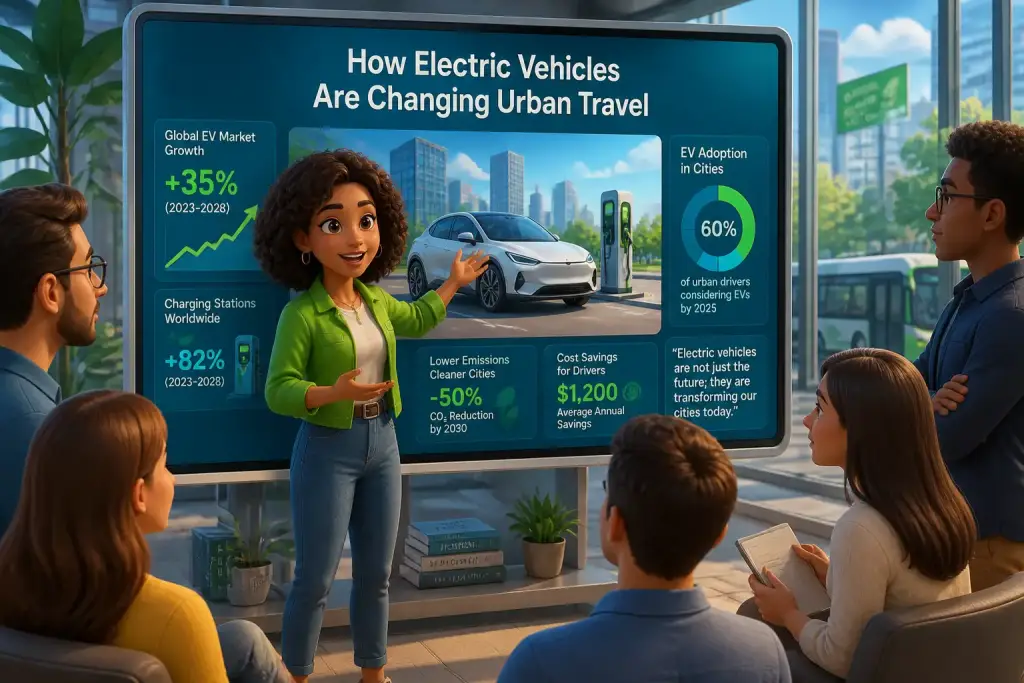
Electric vehicles (EVs) are revolutionizing urban travel in many ways. With growing concerns about climate change and air pollution, cities are embracing this shift towards cleaner transportation. EVs offer sustainable options that not only help the environment but also enhance urban mobility. As we explore how electric vehicles are changing urban travel, we will look at their impacts on infrastructure, technology, and overall commuting experiences.
- Electric vehicles reduce urban air pollution and promote cleaner cities.
- Charging infrastructure is rapidly expanding, easing electric vehicle adoption.
- Innovative technologies enhance the efficiency of urban transport systems.
Table of Contents
Transforming Urban Infrastructure
Urban areas are adapting to the rise of electric vehicles by modifying existing infrastructures. Cities are installing more charging stations, making it easier for EV drivers to recharge their vehicles. Charging stations can be found in parking lots, shopping centers, and even on streets, ensuring accessibility for all drivers. This expansion of charging infrastructure supports the growing number of electric vehicles on the road.
Many cities are implementing policies that prioritize electric vehicles. For instance, some urban areas have created low-emission zones where only electric or hybrid vehicles can operate. This initiative encourages more residents to switch to electric alternatives. Additionally, public transport systems are increasingly incorporating electric buses, further reducing emissions and improving air quality.
Examples of successful infrastructure transformation can be seen in cities like Amsterdam and San Francisco. Both cities have developed extensive networks of charging stations and designated EV parking spots. This not only caters to the needs of EV owners but also promotes a culture of sustainability. In the future, we can expect even more innovative solutions that enhance urban travel through electric vehicles.
Enhancing Daily Commuting Experiences
Electric vehicles are changing how people commute in urban areas. Many drivers choose EVs for their efficiency and cost-effectiveness. Chargers at home can provide a full charge overnight, making morning commutes convenient. This ease of use encourages more individuals to consider electric vehicles as a viable option for their daily travel.
Electric vehicles often come equipped with advanced technology that enhances the driving experience. Features such as regenerative braking, which allows the vehicle to recover energy while slowing down, improve efficiency. Many EVs also offer smartphone apps that help drivers monitor battery levels and locate nearby charging stations. These technological advancements make electric vehicles appealing for urban commuters.
With the increasing availability of ride-sharing services that focus on electric vehicles, more people can benefit from this technology. Companies like Lyft and Uber have introduced electric vehicle options, allowing riders to experience eco-friendly travel. This trend not only supports the environment but also makes electric vehicles more mainstream. As urban areas continue to develop, electric vehicles will play a crucial role in transforming commuting experiences.
Reducing Urban Air Pollution
One of the most significant benefits of electric vehicles is their ability to reduce air pollution in urban environments. Traditional gasoline-powered vehicles emit harmful gases that contribute to poor air quality. In contrast, electric vehicles produce zero tailpipe emissions, helping to create cleaner and healthier cities. This reduction in pollution is vital for the well-being of urban residents, especially children and the elderly.
Studies have shown that cities that promote electric vehicles experience lower levels of air pollution. For example, a report from the International Council on Clean Transportation found that if electric vehicle adoption continues to rise, urban air quality can improve significantly. This is particularly important as urban populations grow and the demand for transportation increases.
Reducing air pollution can lead to economic benefits. Health care costs associated with pollution-related illnesses can decrease, saving cities money. Additionally, cleaner air can enhance the quality of life for residents, making urban areas more attractive places to live and work. Therefore, the shift to electric vehicles is not only an environmental imperative but also an economic opportunity.
Innovative Technologies Driving Electric Vehicles
Electric vehicles are at the forefront of technological innovation in the automotive industry. Many manufacturers are investing heavily in research and development to improve the efficiency and capabilities of their electric models. For example, advancements in battery technology are extending the range of electric vehicles, making them more practical for daily use.
Modern electric vehicles often feature smart technology that enhances safety and efficiency. Many models come with adaptive cruise control, lane-keeping assistance, and automatic emergency braking. These features not only improve the driving experience but also contribute to safer roads in urban settings. As technology continues to develop, we can expect even more sophisticated features to emerge in electric vehicles.
The integration of renewable energy sources into electric vehicle charging is gaining momentum. Solar-powered charging stations are becoming more common, allowing EV owners to recharge using clean energy. This further reduces the carbon footprint of electric vehicles and promotes a sustainable future for urban travel. By harnessing innovative technologies, electric vehicles are set to become even more efficient and environmentally friendly.
The Role of Government Policies
Government policies play a crucial role in the adoption of electric vehicles in urban areas. Many cities are introducing incentives to encourage residents to switch to electric vehicles. These incentives can include tax credits, rebates for purchasing EVs, and access to carpool lanes. By making electric vehicles more financially accessible, governments can facilitate a quicker transition to cleaner transportation.
Regulatory measures are being implemented to phase out traditional gasoline-powered vehicles. For instance, some countries have announced plans to ban the sale of new gasoline vehicles by certain dates. This kind of policy pushes consumers towards electric options and encourages manufacturers to invest in electric vehicle production.
Local governments are also focusing on improving public transportation systems with electric options. Cities like Los Angeles and New York have started replacing older diesel buses with electric models. This shift not only reduces emissions but also sets an example for residents, showcasing the benefits of electric mobility. Through effective policies and initiatives, governments can significantly influence the future of urban travel.
Consider using public charging stations available in your city to maintain your electric vehicle's performance and range, ensuring a smooth travel experience.
Creating Sustainable Urban Environments
The rise of electric vehicles is closely linked to the broader goal of creating sustainable urban environments. As cities transition to cleaner transportation options, the focus on sustainability becomes more pronounced. Electric vehicles are a key part of this vision, offering a solution to the challenges of urban pollution and congestion.
To further enhance sustainability, urban planners are incorporating green spaces and pedestrian-friendly areas into city designs. These initiatives encourage walking and cycling, complementing the use of electric vehicles. A holistic approach to urban planning can create a balanced transportation ecosystem that prioritizes the environment and the well-being of residents.
As cities continue to grow, the demand for sustainable solutions will only increase. Electric vehicles are essential for meeting this demand and creating livable urban spaces. By combining electric mobility with other sustainable practices, cities can work towards a greener future. The shift to electric vehicles is not just about transportation; it is about reimagining urban life.
Future Trends and Developments
The future of electric vehicles in urban travel looks promising. With continual advancements in technology, the efficiency of electric vehicles will likely improve. Innovations such as solid-state batteries, which offer higher energy density, could further extend the range of electric vehicles, making them even more appealing to urban drivers.
The growth of autonomous electric vehicles is on the horizon. Self-driving technology combined with electric mobility can transform urban travel by reducing traffic congestion and optimizing routes. As cities integrate these technologies, the landscape of urban travel will evolve dramatically.
Public acceptance of electric vehicles is also expected to grow. As more people experience the benefits of electric mobility, the demand for EVs will rise. This growing acceptance will encourage manufacturers to expand their electric vehicle offerings, creating a wider variety of options for consumers. The future of urban travel will be shaped by these trends, paving the way for a cleaner, more efficient transportation system.

Virginia De Angelis
Founder & Lead EditorVirginia De Angelis is the founder and lead editor of Eco Zoned in Italy, where she guides readers towards practical innovative eco-tech solutions for everyday life.