






Water scarcity is an increasing concern for households around the world. With climate change and growing populations, the need for effective water-saving technologies has never been more important. Many families are looking for ways to conserve water, reduce their bills, and contribute positively to the environment. Fortunately, modern innovations provide numerous options that can help every household manage water usage more efficiently. This guide will explore some of the most innovative water-saving technologies available today, offering practical insights for homeowners.
- Implement smart irrigation systems for efficient garden watering.
- Install low-flow fixtures to reduce water usage significantly.
- Use rainwater harvesting systems for sustainable water supply.
Table of Contents
Smart Irrigation Systems
Smart irrigation systems are game-changers for gardens and lawns. These systems use weather data, soil moisture sensors, and user-defined schedules to deliver the right amount of water at the right time. By utilizing these systems, homeowners can significantly reduce water waste and ensure their plants receive optimal hydration. For example, a smart irrigation controller can adjust watering schedules based on rainfall or temperature, preventing overwatering.
Many brands offer these advanced systems, making it easy for homeowners to find suitable options. Some popular choices include the Rachio Smart Sprinkler Controller and the RainMachine. These devices allow users to manage their irrigation via smartphone apps, providing convenience and control. With the ability to monitor water usage in real time, homeowners can make informed decisions about their irrigation practices.
Steps to Set Up Smart Irrigation
- Choose a smart irrigation system that fits your garden’s size and type.
- Install soil moisture sensors in various areas of your garden.
- Connect the system to your Wi-Fi for remote access.
- Set watering schedules based on your plants’ specific needs.
- Regularly review the app to monitor water usage and adjust settings as needed.
By adopting smart irrigation technologies, households can save thousands of gallons of water each year while keeping their gardens lush and healthy.
Low-Flow Fixtures
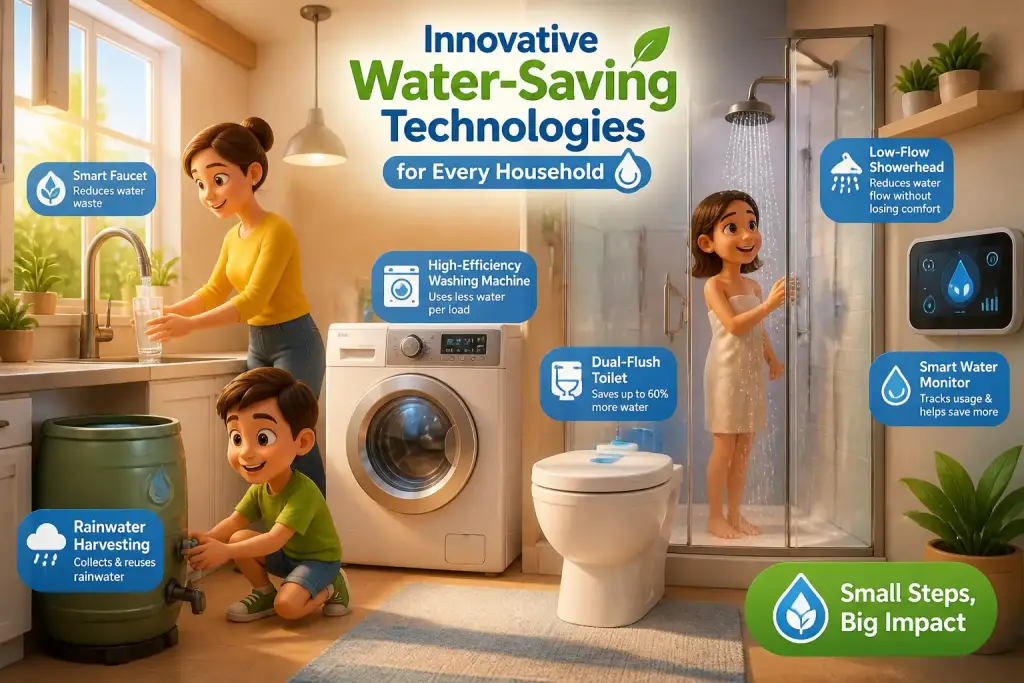
Installing low-flow fixtures is one of the simplest ways to reduce water consumption in any household. These fixtures include showerheads, faucets, and toilets designed to use significantly less water while still providing adequate performance. For example, a standard showerhead uses about 2.5 gallons of water per minute, while low-flow models can reduce that to 1.5 gallons or less. Similarly, low-flow toilets use only 1.28 gallons per flush compared to older models that may use 3.5 gallons or more.
Homeowners can easily replace their existing fixtures with low-flow alternatives. Many options are available in various styles and prices, making it easy to find something that fits both aesthetic preferences and budget constraints. For those looking to upgrade their bathrooms, low-flow fixtures can lead to substantial savings on water bills.
Benefits of Low-Flow Fixtures
- Reduces monthly water bills significantly.
- Contributes to environmental conservation efforts.
- Available in various designs to match home decor.
- Easy to install, often requiring no professional help.
Making the switch to low-flow fixtures not only saves water but also encourages a more sustainable lifestyle.
Rainwater Harvesting Systems
Rainwater harvesting is an innovative method that allows homeowners to capture and store rainwater for various uses. This technology is beneficial for outdoor irrigation, toilet flushing, and even laundry. Rainwater harvesting systems include gutters, downspouts, storage tanks, and filtration systems. By collecting rainwater, households can decrease their dependency on municipal water sources and reduce their overall water bills.
Implementing a rainwater harvesting system can be done by individuals or through professional installation. Homeowners should consider local regulations and guidelines regarding rainwater collection, as rules may vary by region. Some systems can be quite simple, while others may involve more complex installations. Regardless of the approach, the savings on water costs can be substantial.
Steps to Harvest Rainwater
- Install gutters and downspouts to direct rainwater from the roof into storage tanks.
- Choose appropriate storage tanks based on available space and intended use.
- Implement a filtration system to ensure the collected water is clean.
- Connect the system to irrigation or plumbing as needed.
- Regularly maintain the system to ensure optimal performance.
By utilizing rainwater harvesting systems, households can make a significant impact on their water usage while promoting sustainability.
Water-Efficient Appliances
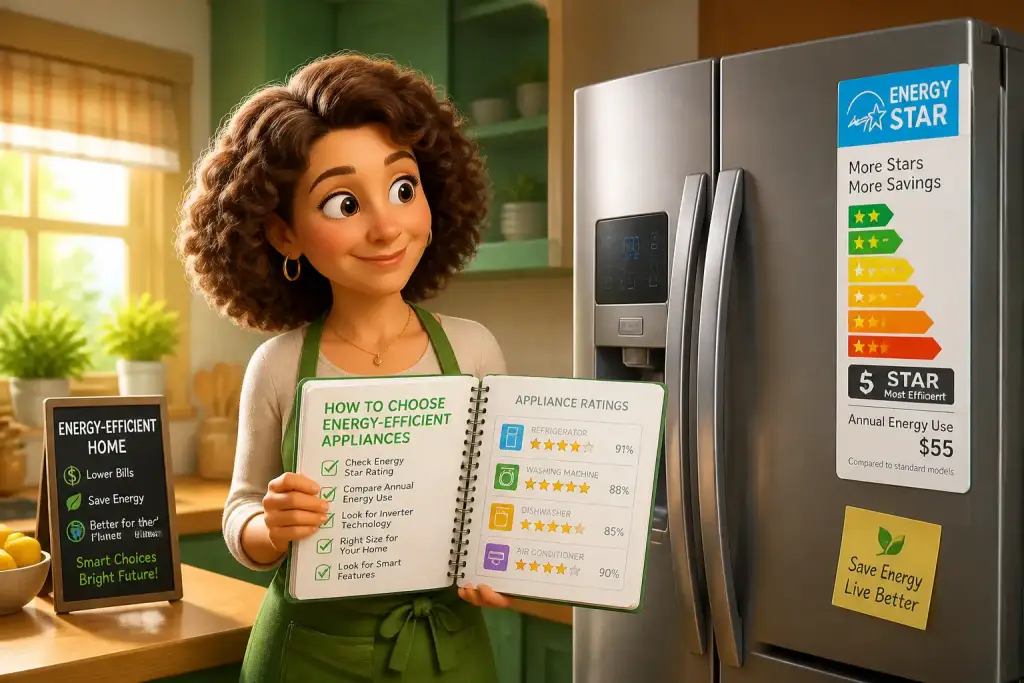
Modern appliances play a crucial role in water conservation. Dishwashers and washing machines now come equipped with water-efficient technologies that reduce water usage without sacrificing performance. For instance, Energy Star certified appliances use approximately 35% less water than standard models, making them an excellent choice for eco-conscious homeowners.
Upgrading to water-efficient appliances not only conserves water but also reduces energy consumption, leading to lower utility bills. Many manufacturers now offer models that are designed specifically for water efficiency, allowing homeowners to choose options that best meet their needs. Additionally, some utilities offer rebates for purchasing energy-efficient appliances, making these upgrades more affordable.
Choosing the Right Appliance
- Look for Energy Star certification to ensure water efficiency.
- Compare the water usage of different models before purchasing.
- Consider the size of the appliance to ensure it meets your household needs.
- Check for available rebates or incentives from local utilities.
Investing in water-efficient appliances can significantly reduce overall water usage and is a smart choice for any household looking to save money and conserve resources.
Regularly check for leaks in your plumbing to maintain optimal water conservation.
Smart Home Water Monitoring
Smart home technology extends to water monitoring, providing homeowners with real-time data on their water usage. These monitoring systems track water consumption and can alert users to leaks or unusual spikes in usage. By identifying these issues quickly, homeowners can prevent costly damage and conserve water efficiently.
Devices such as the Flume Smart Water Monitor and the Moen Smart Water Leak Detector offer detailed insights into water usage patterns. Users can access this information through mobile apps, allowing them to make informed decisions about water conservation. With these technologies, households can not only save money but also contribute to environmental sustainability.
Implementing Water Monitoring Systems
- Select a smart water monitoring device that suits your needs and budget.
- Install the device according to the manufacturer’s instructions.
- Connect the device to your home Wi-Fi network for remote access.
- Regularly review water usage data and adjust habits as necessary.
- Set alerts for unusual usage patterns or leaks.
Integrating smart water monitoring into household routines can be a game changer for efficient water use.
Key Steps to Sustain Embracing Sustainable Water Practices
Adopting innovative water-saving technologies can lead to significant benefits for households. From smart irrigation systems and low-flow fixtures to rainwater harvesting and water-efficient appliances, numerous options exist to help families conserve water. By making small changes and investing in modern solutions, homeowners can reduce their water bills and contribute to a more sustainable future. Every drop counts, and with the right tools, managing water usage becomes easier than ever.
Embracing these technologies not only supports individual households but also promotes a larger movement towards environmental conservation and resource management. As more families adopt these practices, the collective impact can lead to meaningful change in water conservation efforts globally. Each household has the potential to make a difference, and the journey starts with understanding and implementing innovative water-saving technologies.

Virginia De Angelis
Founder & Lead EditorVirginia De Angelis is the founder and lead editor of Eco Zoned in Italy, where she guides readers towards practical innovative eco-tech solutions for everyday life.