








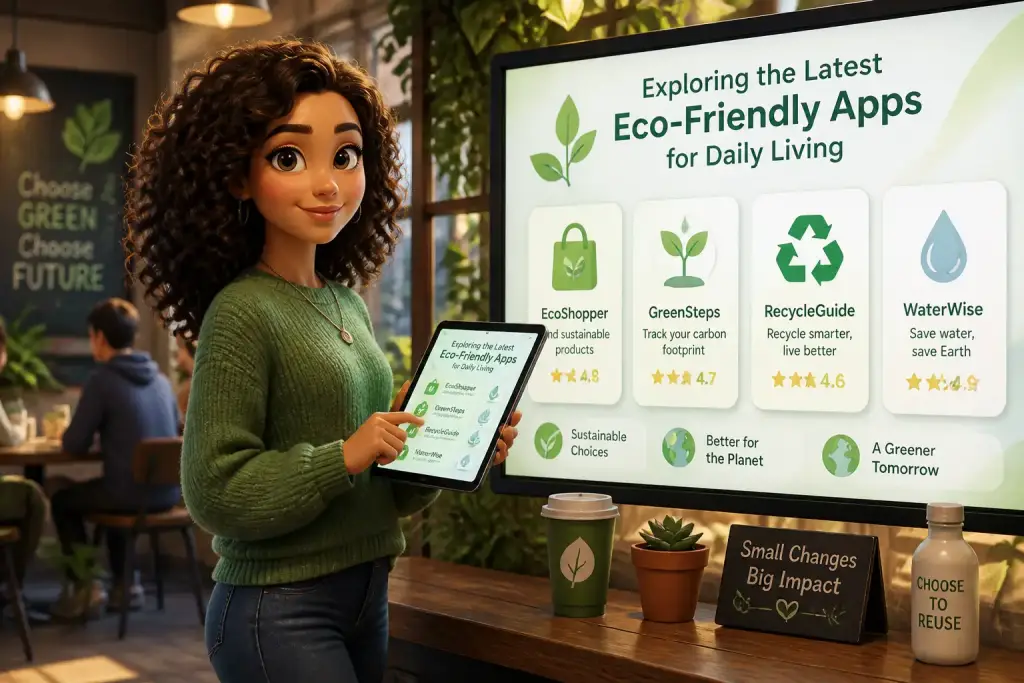
Modern living often comes with significant environmental challenges. However, today’s technology offers numerous solutions to help individuals lead more sustainable lifestyles. Eco-friendly apps play a vital role in this movement, providing tools that assist in reducing waste, conserving resources, and promoting responsible consumption. By integrating these applications into daily routines, individuals can make impactful choices that benefit both themselves and the planet.
- Eco-friendly apps help reduce waste and promote sustainable practices.
- Choosing the right app can simplify daily eco-conscious living.
- Many apps offer features for tracking energy use and food waste.
Table of Contents
- Innovative Features of Eco-Friendly Apps
- Popular Eco-Friendly Apps to Consider
- How to Choose the Right Eco-Friendly App
- Integrating Eco-Friendly Apps into Daily Routines
- Impact of Eco-Friendly Apps on Community and Environment
- Challenges and Limitations of Eco-Friendly Apps
- The Future of Eco-Friendly Apps
Innovative Features of Eco-Friendly Apps
The rise of eco-friendly apps has introduced a variety of features that simplify sustainable living. Many of these apps focus on specific areas, such as energy consumption, waste management, and eco-friendly shopping. For instance, some apps allow users to track their carbon footprint by inputting daily activities. This feature not only raises awareness but also encourages users to make more sustainable choices.
Other apps provide tips and suggestions based on user habits. For example, if a user frequently buys plastic products, the app might suggest alternatives that are more environmentally friendly. Additionally, some apps include community features, allowing users to share tips and experiences with like-minded individuals. This sense of community is essential for building a culture of sustainability.
Integration with smart home devices is another innovative feature seen in many eco-friendly apps. Users can monitor their energy consumption in real time, adjusting usage to minimize waste. Smart thermostats can be controlled from these apps, helping users maintain comfortable temperatures while saving energy. These integrations enhance convenience and promote energy efficiency.
Popular Eco-Friendly Apps to Consider
Many eco-friendly apps are available today, each offering unique features to suit different needs. Here are a few of the most popular options that have gained traction among users aiming for a greener lifestyle:
- Oroeco: This app helps users track their carbon footprint by analyzing everyday activities. It offers personalized tips on reducing emissions and connects users with friends for motivation.
- GoodGuide: Users can scan product barcodes to see sustainability ratings and health information. This app empowers consumers to choose products that align with their values.
- JouleBug: JouleBug gamifies sustainable living by allowing users to earn points for eco-friendly actions. Users can compete with friends and share achievements.
- Too Good To Go: This app connects users with local restaurants to buy surplus food at reduced prices, helping to combat food waste while saving money.
These apps serve various purposes, from tracking personal emissions to promoting sustainable shopping habits. Each one helps users take concrete steps toward reducing their environmental impact.
How to Choose the Right Eco-Friendly App
Selecting the ideal eco-friendly app involves understanding your personal needs and lifestyle. Start by identifying specific areas where you want to improve your sustainability efforts. For example, are you focused on reducing food waste, conserving energy, or finding eco-friendly products? Knowing what you want to achieve can guide your app selection.
Next, consider the user interface and features of the app. A user-friendly design will encourage regular use, making it easier to incorporate sustainable practices into your daily routine. Read reviews and check ratings in app stores to gauge user satisfaction. Look for apps with active support and frequent updates, as these often provide a better user experience.
Another factor to consider is community engagement. Apps that connect users with others interested in sustainability can provide motivation and new ideas. For instance, an app that allows users to share local recycling tips or eco-friendly recipes can foster a sense of community.
Steps to Evaluate Eco-Friendly Apps
- Identify your sustainability goals.
- Research available apps based on your needs.
- Read user reviews and ratings.
- Test a few apps to see which fits best.
These steps can help streamline your search for the right app, ensuring you find a tool that supports your eco-friendly journey effectively.
Regularly update your eco-friendly apps to access new features and improvements that enhance their effectiveness in supporting your sustainable lifestyle.
Integrating Eco-Friendly Apps into Daily Routines
Once you have chosen the right eco-friendly apps, the next step is to integrate them into your daily life. This process can be as simple as setting reminders to use the apps regularly. For instance, if you choose an app that helps track energy consumption, set reminders to log your usage weekly. This practice keeps sustainability at the forefront of your mind.
Consider involving family members or friends in your eco-friendly efforts. Sharing app recommendations and competing in challenges can make the process enjoyable and foster a supportive atmosphere. For instance, if you and your friends use JouleBug, you can have friendly competitions to see who can earn the most points in a month.
Incorporating sustainable habits into your routines can also mean making small changes. Use the GoodGuide app while grocery shopping to help choose products with better ratings. This action not only supports your eco-friendly goals but also helps create a habit of mindful purchasing.
Impact of Eco-Friendly Apps on Community and Environment
The influence of eco-friendly apps extends beyond individual users. These applications can drive community-wide changes by promoting sustainable practices. For instance, when more individuals use apps like Too Good To Go, local businesses may become more aware of food waste issues and seek solutions. This shift can lead to broader community initiatives focused on sustainability.
Eco-friendly apps can enhance awareness about environmental issues. By providing users with information on their consumption habits, these apps encourage discussions on sustainability within communities. As users share their experiences, they inspire others to adopt eco-friendly practices.
The collective impact of many individuals using these apps can lead to significant changes. For example, if thousands of users reduce their carbon footprints through tracking tools, the community can witness a noticeable decline in greenhouse gas emissions. This potential for change highlights the importance of technology in fostering sustainable living.
Challenges and Limitations of Eco-Friendly Apps
While eco-friendly apps offer numerous benefits, they also face challenges. One significant limitation is the accessibility of technology. Not everyone has a smartphone or internet access, which can exclude certain populations from participating in the eco-friendly movement. Addressing this issue requires looking for alternative solutions that do not rely solely on technology.
User engagement is another challenge. Some individuals may download eco-friendly apps but fail to use them consistently. This lack of engagement limits the potential impact of the app. Developers must continually enhance user experience and provide incentives for regular use to combat this issue.
Lastly, the accuracy of information can sometimes be a concern. Users must ensure that the apps they choose are based on reliable data and provide trustworthy recommendations. Developers should prioritize transparency and accuracy to build trust with users.
The Future of Eco-Friendly Apps
The future looks promising for eco-friendly apps as the demand for sustainable solutions grows. Developers continue to innovate, creating more sophisticated tools that cater to diverse needs. Artificial intelligence and machine learning may enhance app functionality, allowing for personalized recommendations based on user habits.
The integration of social media features may also expand, encouraging users to share their experiences and successes. This sharing can create a network of support, motivating more individuals to adopt sustainable practices. As awareness of environmental issues increases, the role of eco-friendly apps will be crucial in guiding positive change.
Finally, the collaboration between developers, businesses, and environmental organizations can lead to more comprehensive solutions. By working together, these groups can create apps that address larger systemic issues, making it easier for users to make eco-friendly choices.
Incorporating eco-friendly apps into daily living not only promotes sustainability but also fosters a sense of community. By using these tools, individuals can make informed choices that benefit both themselves and the planet. As technology continues to advance, the potential for these apps to inspire positive change will only grow.

Virginia De Angelis
Founder & Lead EditorVirginia De Angelis is the founder and lead editor of Eco Zoned in Italy, where she guides readers towards practical innovative eco-tech solutions for everyday life.