









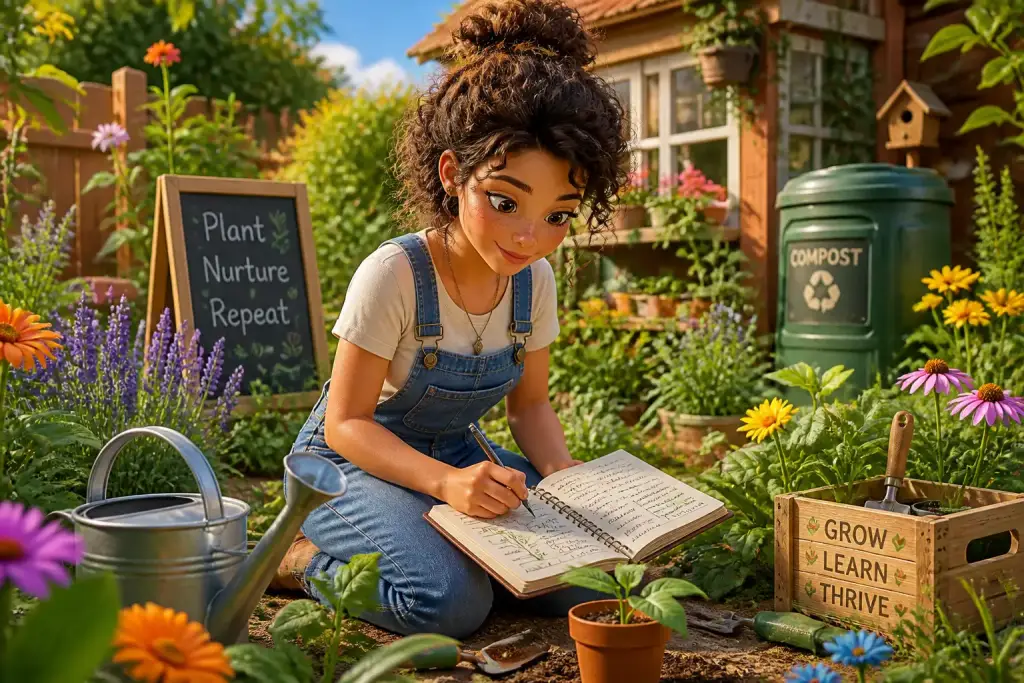
Mindful gardening is more than just planting flowers and vegetables. It represents a way to connect with nature while being conscious of the environment. By cultivating an eco-conscious mindset in your backyard, you can create a sustainable paradise. This guide will provide actionable strategies, from quick wins to long-term habits, that will help you transform your garden into an eco-friendly space.
- Start with native plants to reduce maintenance and attract local wildlife.
- Use composting to enrich soil and reduce waste.
- Implement rainwater harvesting to conserve water efficiently.
Table of Contents
Start with Native Plants
Using native plants is a simple yet effective way to begin your mindful gardening journey. Native plants are adapted to your local environment, requiring less water, fertilizer, and maintenance. They also provide food and habitat for local wildlife, such as birds and butterflies. Choosing these plants fosters biodiversity in your garden.
Consider this: when we tested a garden area filled with native plants versus one with exotic species, the native section attracted more pollinators and looked healthier overall. It is important to choose plants that thrive in your local climate and soil type. This not only conserves resources but also creates a more resilient garden.
To get started, research local native plant species through gardening centers or online resources. Many local university extensions offer lists of plants suited for the region. Once you have selected your plants, consider grouping them in clusters to mimic natural settings and enhance their beauty. Pairing this approach with our walkthrough on 10 easy eco hacks for a greener kitchen helps keep your routine consistent.
Implement Composting for Waste Reduction
Composting is a key strategy for anyone looking to create an eco-conscious garden. By composting kitchen scraps and yard waste, you can reduce landfill contributions while enriching your soil. Compost provides essential nutrients that promote healthy plant growth, making it a win-win for your garden and the environment.
Setting up a compost bin is straightforward. Start with a mix of green materials, such as fruit and vegetable scraps, and brown materials, like dried leaves or cardboard. Maintain the right balance to ensure proper decomposition. Over time, the compost will break down into nutrient-rich soil that can be added to your garden beds. Following emerging information technology ensures consistent results from the start.
Steps to Start Composting
- Select a compost bin or create a pile in your yard.
- Gather green and brown materials in equal parts.
- Turn the compost regularly to aerate it.
- After a few months, your compost will be ready to use.
In everyday use, this step takes about five minutes to set up, and the maintenance is minimal. Soon, you will have rich compost that benefits your plants while reducing waste.
Utilize Rainwater Harvesting Techniques
Rainwater harvesting is another effective method to promote mindful gardening. Collecting rainwater helps conserve water and reduces your utility bills. You can use harvested rainwater to irrigate your plants and gardens, creating a sustainable watering system.
Installing a rain barrel is a practical first step. This simple structure collects rain from your roof through gutters. Ensure your barrel is covered to prevent mosquito breeding and debris accumulation. You can then use the collected water for your garden, saving tap water for other uses.
Benefits of Rainwater Harvesting
- Reduces water costs.
- Prevents stormwater runoff.
- Provides soft, chemical-free water for plants.
When setting up a rainwater harvesting system, consider your local rainfall patterns. A barrel can hold 50 to 100 gallons of water, depending on its size. By monitoring rainfall, you can determine how much water you can expect and adjust your gardening practices accordingly.
Practice Organic Pest Control
Using organic pest control methods helps maintain an eco-friendly garden. Chemical pesticides can harm beneficial insects and contaminate the soil. Instead, focus on natural alternatives that protect your plants while safeguarding the environment.
For example, introducing beneficial insects, like ladybugs and lacewings, can help control pest populations without chemicals. You can also use natural deterrents such as neem oil or insecticidal soap. These alternatives are less harmful and can be effective in managing pest issues.
Steps to Implement Organic Pest Control
- Identify the pests affecting your garden.
- Research natural predators or treatments.
- Apply treatments as needed, following label instructions.
This approach not only protects your garden but also contributes to a healthier ecosystem. By avoiding harmful chemicals, you create a safe environment for all living creatures in your garden.
Incorporate Seasonal Planting Practices
Seasonal planting contributes to sustainable gardening by aligning your gardening schedule with nature. Understanding your local growing season can help you maximize yields and minimize resource use. Select plants that thrive in your climate and soil, ensuring a successful harvest.
Begin by researching your local growing zones and the plants that are best suited for each season. For example, cool-season crops like lettuce and spinach can be planted in early spring or fall, while warm-season crops such as tomatoes and peppers thrive in summer. Rotating crops each season can also prevent soil depletion and reduce pest issues.
Benefits of Seasonal Planting
- Maximizes available nutrients.
- Reduces pest and disease build-up.
- Enhances soil health.
By planning your garden around the seasons, you can ensure healthy growth while conserving resources. This practice promotes an eco-conscious mindset and creates a thriving garden ecosystem.
Choose organic pest control methods to protect your garden while maintaining a safe environment for beneficial insects.
Continuous Learning and Community Engagement
Mindful gardening is an ongoing process that benefits from continuous learning. Engaging with your local gardening community can provide valuable insights and support. Many communities have gardening clubs, workshops, and online forums where you can share experiences and learn from others.
Consider attending local gardening events or participating in community gardens. These opportunities allow you to exchange knowledge, tips, and resources. Additionally, learning about new eco-friendly practices can help you stay informed and improve your gardening skills.
Ways to Engage with Your Community
- Join local gardening clubs or organizations.
- Attend workshops on sustainable gardening practices.
- Participate in community gardening projects.
Building connections with fellow gardeners can enhance your experience and deepen your commitment to eco-conscious gardening. It is important to note that sharing knowledge contributes to a healthier ecosystem, benefiting everyone involved.
| Strategy | Description | Benefits |
|---|---|---|
| Native Plants | Use local flora to reduce maintenance and attract wildlife. | Enhances biodiversity and supports local ecosystems. |
| Composting | Recycle kitchen and yard waste into nutrient-rich soil. | Reduces waste and improves garden health. |
| Rainwater Harvesting | Collect rainwater for irrigation and conservation. | Reduces utility costs and utilizes natural resources. |
| Organic Pest Control | Use natural methods to manage pests. | Protects beneficial insects and promotes ecosystem health. |
| Seasonal Planting | Align planting with local growing seasons. | Enhances yields and conserves resources. |
Transforming Your Backyard into an Eco-Conscious Haven
Creating a mindful garden is an enriching experience that benefits both you and the environment. By implementing these strategies, you can cultivate an eco-conscious mindset while enjoying the beauty of nature in your backyard. Remember, sustainable gardening is a journey, not a destination.
As you embark on this path, focus on making gradual improvements. Start with simple changes like planting native species or setting up a compost bin. Over time, these small steps will lead to a healthier garden and a stronger connection to the earth.
In conclusion, mindful gardening encourages us to respect our environment while enjoying the fruits of our labor. By fostering an eco-conscious mindset, we can create beautiful, sustainable spaces that benefit ourselves and the planet. Take the first step today and watch your garden flourish.

Virginia De Angelis
Founder & Lead EditorVirginia De Angelis is the founder and lead editor of Eco Zoned in Italy, where she guides readers towards practical innovative eco-tech solutions for everyday life.