









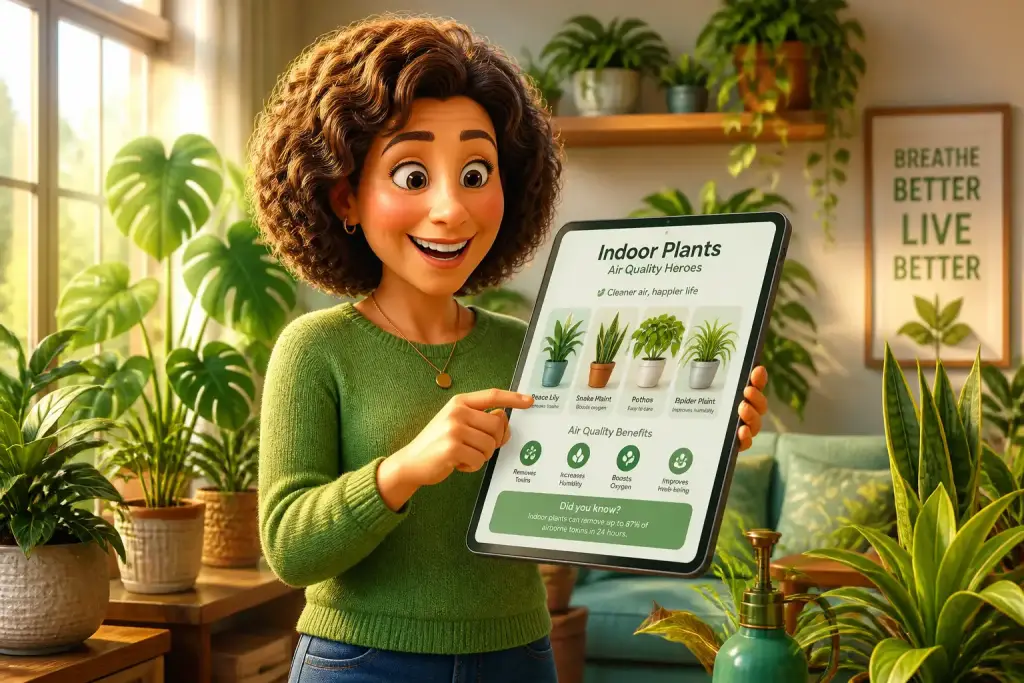
Indoor plants serve more than just decorative purposes. They play a vital role in improving air quality while also enhancing the overall ambiance of our living and working spaces. In modern homes and offices, the presence of plants can transform dull environments into lively, refreshing areas. Through their natural processes, these plants can filter harmful pollutants and provide a healthier atmosphere for everyone. This guide explores how to harness the power of indoor plants to improve air quality effectively.
- Indoor plants can filter toxins from the air, improving indoor air quality.
- Certain plants are particularly effective at removing common pollutants like formaldehyde and benzene.
- Proper care and placement of indoor plants can maximize their air purification benefits.
Table of Contents
The Benefits of Indoor Plants for Air Quality
Indoor plants are known for their ability to purify the air. They absorb pollutants such as formaldehyde, benzene, and trichloroethylene, releasing oxygen in return. This process is crucial, especially in urban environments where air quality can be poor. Studies show that having plants indoors can reduce stress and increase productivity, making them ideal for both homes and workplaces.
Many common indoor plants are particularly effective at filtering toxins. For instance, the snake plant, also known as mother-in-law’s tongue, is resilient and can thrive in low light. It absorbs carbon dioxide at night, making it a great choice for bedrooms. Another excellent option is the peace lily, which can remove harmful chemicals while adding a touch of elegance to any room.
Besides improving air quality, indoor plants enhance humidity levels. This is especially beneficial during dry seasons when indoor air can become stale. By adding moisture to the air, plants can help relieve respiratory problems and dry skin. The overall atmosphere becomes more inviting, creating a pleasant living space.
Engaging with indoor plants can also boost mental health. Caring for plants encourages mindfulness, which can help reduce anxiety. Studies indicate that individuals who interact with plants feel more relaxed and focused. This connection to nature, even within the confines of a home, can be beneficial for emotional well-being.
Choosing the Right Indoor Plants
Choosing the correct indoor plants is essential for maximizing air quality benefits. Different plants have varying abilities to filter pollutants and thrive in different conditions. Begin by assessing your space. Consider factors like lighting, humidity, and your personal care preferences.
Low-light areas can benefit from hardy plants such as the pothos or ZZ plant. These varieties thrive even in dim conditions and require minimal maintenance. For brighter spaces, options like the rubber plant or spider plant can flourish, providing excellent air purification. Here are a few popular choices:
- Spider Plant: Excellent for removing pollutants, easy to care for, and produces baby plants.
- Areca Palm: Increases humidity and is effective at removing toxins.
- Boston Fern: Known for its ability to remove formaldehyde and improve indoor humidity.
Another important factor is the plant’s size and growth habits. Larger plants can make a significant visual impact and often provide more air purification. However, ensure you have enough space for their growth. Consider how much time you can devote to plant care as well. Some plants require more attention than others. By matching your lifestyle with the right plants, you can create a thriving indoor garden.
Effective Care for Indoor Plants
Proper care is vital to ensure that indoor plants thrive and continue to purify the air effectively. Start by understanding the specific needs of each plant type regarding light, water, and soil. Most indoor plants prefer indirect sunlight, so placing them near windows with filtered light is ideal.
Watering is another critical aspect. Overwatering can lead to root rot, while underwatering can cause plants to wilt. A good rule of thumb is to check the top inch of the soil; if it feels dry, it is time to water. Use pots with drainage holes to prevent excess water from accumulating. Here are some general care tips:
- Rotate plants regularly to ensure even growth.
- Dust leaves occasionally to enable better photosynthesis.
- Fertilize during the growing season with a balanced fertilizer.
Pay attention to signs of distress. Yellowing leaves may indicate overwatering, while brown tips could signal underwatering or low humidity. Adjust your care routine based on these observations. Regularly inspecting your plants will help them thrive and maximize their air-purifying abilities.
Group different types of plants together to create a mini-ecosystem that improves humidity and air quality even more effectively.
Integrating Indoor Plants into Your Living Space
Integrating indoor plants into your home can enhance aesthetics while improving air quality. Start by selecting locations where plants can receive adequate light and where they can be easily admired. Grouping plants together can create a beautiful focal point and can also improve humidity levels. Consider using plant stands or hanging planters to add visual interest and utilize vertical space.
In offices, placing plants on desks or in communal areas can help create a more inviting atmosphere. Studies show that workplaces with plants can lead to higher productivity and employee satisfaction. Use larger plants like the fiddle leaf fig or rubber plant in corners to make a statement and purify the air simultaneously.
Another approach is to use plants in areas like kitchens and bathrooms, where air quality can often be compromised. Plants like the bamboo palm thrive in humid conditions and can help improve air quality in these spaces. They can also enhance the overall aesthetic, making these areas feel more vibrant and alive.
Consider creating a dedicated indoor garden. This can be a small corner of your home filled with various plants. You can also mix herbs into your indoor garden, which can be beneficial for cooking and air quality. A mini herb garden adds both beauty and utility to your home.
Building Consistency With The Lasting Impact of Indoor Plants
Integrating indoor plants into your home or office can lead to lasting improvements in air quality and overall well-being. The benefits of these green companions go beyond aesthetics; they actively purify the air, uplift moods, and create a more inviting atmosphere. By choosing the right plants and caring for them properly, anyone can transform their space into a healthier environment.
As we continue to learn about environmental health, the role of indoor plants remains crucial. They not only beautify our surroundings but also contribute significantly to our health and happiness. Embrace the power of indoor plants and see the difference they can make in your daily life.
To further enhance your eco-friendly lifestyle, check out related articles like 10 Easy Eco Hacks for a Greener Kitchen and Practicing Mindfulness for a Greener Lifestyle. These resources can provide additional insights into creating a healthier and more sustainable living environment.

Virginia De Angelis
Founder & Lead EditorVirginia De Angelis is the founder and lead editor of Eco Zoned in Italy, where she guides readers towards practical innovative eco-tech solutions for everyday life.