









Many people are looking for ways to reduce their impact on the environment. One effective method is to switch to eco-friendly alternatives for everyday products. These alternatives not only help the planet but also often improve personal health and save money. The choices you make in your daily life can significantly contribute to a more sustainable future. This guide explores various eco-friendly options available for common items we use every day.
- Transition to reusable bags to cut plastic waste and save money.
- Opt for biodegradable cleaning products that are safe for the environment.
- Choose natural personal care items to reduce harmful chemicals in your home.
Table of Contents
- Eco-Friendly Alternatives for Cleaning Products
- Choosing Eco-Friendly Personal Care Products
- Switching to Sustainable Food Practices
- Embracing Zero Waste Lifestyle Choices
- Opting for Sustainable Fashion Choices
- Building a Sustainable Home Environment
- Incorporating Eco-Friendly Practices into Daily Life
Eco-Friendly Alternatives for Cleaning Products
Cleaning products are essential in every household but are often filled with harmful chemicals. These chemicals can pollute the air and water. Using eco-friendly cleaning products can help reduce this impact. Many natural ingredients can effectively clean without harming the environment.
Common eco-friendly alternatives include:
- Baking soda: This versatile ingredient can clean surfaces, deodorize, and even unclog drains. It’s non-toxic and safe to use around children and pets.
- White vinegar: A powerful disinfectant, vinegar can remove stains, cut grease, and eliminate odors. It also helps to break down mineral deposits in appliances.
- Lemon juice: The natural acidity of lemon juice acts as a bleach and deodorizer. It can brighten whites and leave a fresh scent.
Making your cleaning products can also be a fun and rewarding project. For example, mixing vinegar and baking soda creates a powerful cleaning paste. This paste can clean tough stains on kitchen counters and bathroom tiles. Not only does it save money, but it also reduces waste from plastic containers.
Steps to Create Your Own All-Purpose Cleaner
- Gather your materials, including a spray bottle, white vinegar, water, and optional essential oils for scent.
- Mix equal parts of water and vinegar in the spray bottle.
- Add a few drops of essential oil for fragrance, such as lavender or tea tree oil for additional antibacterial properties.
- Shake well before each use and spray on surfaces like countertops and bathroom fixtures.
Switching to eco-friendly cleaning products not only benefits the environment but can also enhance indoor air quality. By using less toxic options, you create a safer space for your family.
Choosing Eco-Friendly Personal Care Products
Personal care products often contain harmful chemicals that can affect health and the environment. Many people are unaware of the effects these substances have on their bodies and the planet. Fortunately, there are many eco-friendly alternatives available today.
When shopping for personal care items like toothpaste, shampoo, and deodorant, consider the following options:
- Natural toothpaste: Look for brands that use ingredients like baking soda and essential oils. These options can effectively clean teeth without artificial additives.
- Shampoo bars: These solid bars come with minimal packaging and often contain natural ingredients. They reduce plastic waste and are easy to use.
- Reusable cotton rounds: Instead of single-use cotton pads, opt for washable rounds made from organic cotton. This small switch greatly reduces waste.
Switching to natural personal care products can be a simple process. Start by replacing one item at a time. For example, if you usually buy plastic bottles of shampoo, consider trying a shampoo bar instead. Over time, these small changes can lead to significant positive impacts.
Popular Brands for Eco-Friendly Personal Care
Many brands focus on sustainability and natural ingredients. Some notable ones include:
- Ethique: Known for their solid shampoo and conditioner bars, Ethique offers a wide variety of eco-friendly hair care products.
- Dr. Bronner’s: This brand is famous for its multi-use Castile soap, which is made from organic, fair-trade ingredients.
- Native: Their deodorants are made with natural ingredients and come in recyclable packaging.
By choosing these brands, consumers support sustainable practices and reduce their environmental footprint.
Switching to Sustainable Food Practices
Food choices have a significant impact on the environment. From the way food is produced to how it is packaged, each decision affects our planet. Adopting sustainable food practices can help mitigate these effects.
Start by focusing on local and seasonal produce. Buying from local farmers reduces transportation emissions and supports local economies. Additionally, seasonal fruits and vegetables often taste better and are more nutritious.
Consider these sustainable food practices:
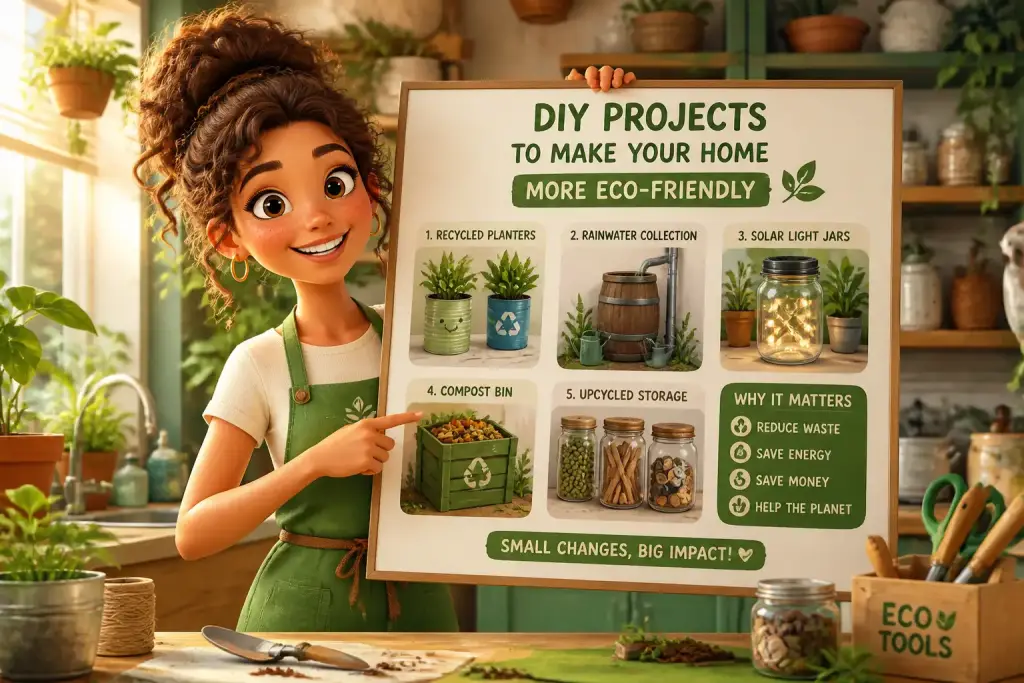
- Grow your own food: Even small herbs or vegetables can make a difference. A few pots on a windowsill can provide fresh ingredients for meals.
- Reduce meat consumption: Eating less meat, especially red meat, reduces greenhouse gas emissions. Try incorporating more plant-based meals into your diet.
- Compost food scraps: Instead of throwing away food waste, composting can create nutrient-rich soil for gardens.
Implementing these practices can lead to a healthier lifestyle and a smaller carbon footprint. For example, starting a small garden can be rewarding and provide fresh produce. Even if you live in an apartment, you can grow herbs in pots.
How to Start a Small Garden
- Choose a sunny location with at least six hours of sunlight daily.
- Select easy-to-grow plants like tomatoes, lettuce, or herbs.
- Use organic soil and fertilizers to promote healthy growth.
- Water regularly and monitor for pests.
Gardening can connect you with nature and provide fresh ingredients, making it both enjoyable and practical.
Always check labels for eco-friendly certifications to ensure your products are truly sustainable and safe for the environment.
Embracing Zero Waste Lifestyle Choices
The zero waste movement encourages minimizing waste by rethinking how we consume products. By adopting this lifestyle, individuals can significantly reduce their environmental impact. The goal is to divert as much waste from landfills as possible.
Start by assessing what items contribute most to your waste. Common culprits include plastic bags, bottles, and single-use items. Transitioning to reusable alternatives can greatly reduce this waste.
Here are some practical steps toward a zero waste lifestyle:
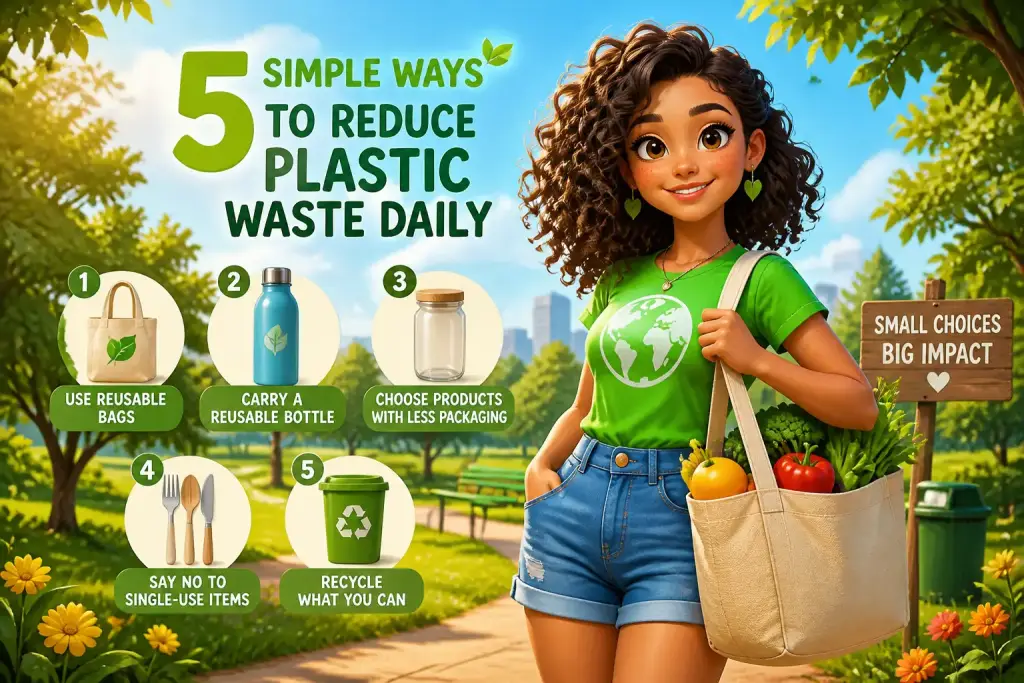
- Carry reusable bags: Having a set of reusable bags handy can eliminate the need for plastic shopping bags.
- Invest in a reusable water bottle: This reduces plastic waste from bottled water. Many options even come with built-in filters.
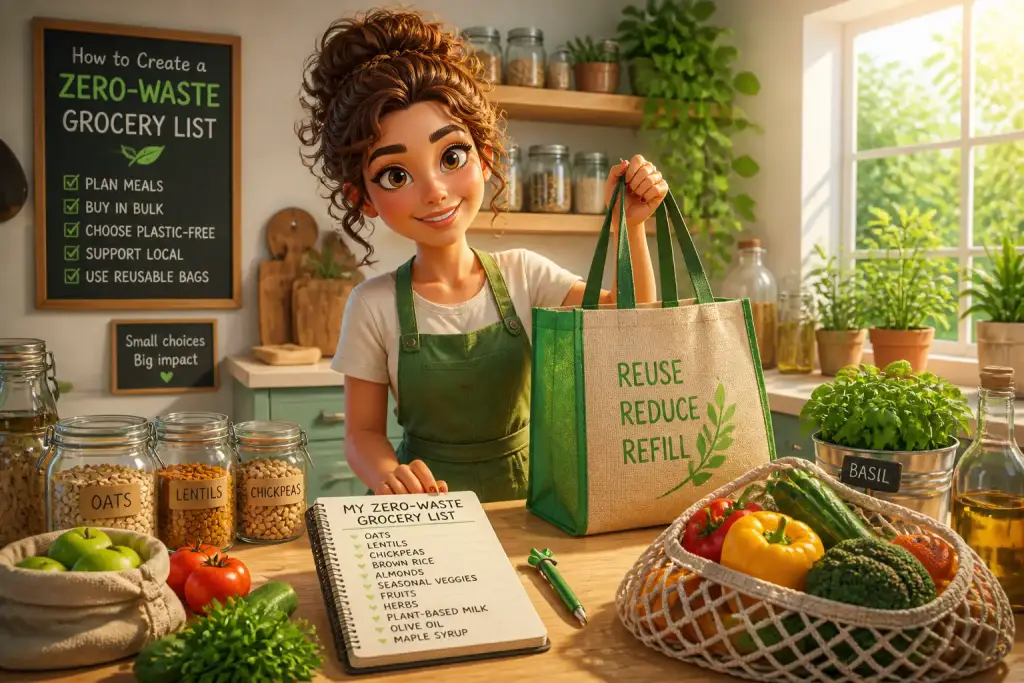
- Use bulk bins: Many stores offer bulk sections for grains, nuts, and spices. Bring your containers to fill up and avoid packaging waste.
Transitioning to a zero waste lifestyle takes time. Start with one small change and gradually build on it. For instance, if you often forget to bring your reusable bags, keep them in your car or by the door to ensure you have them when you shop.
Zero Waste Essentials to Consider
As you move toward a zero waste lifestyle, consider these essential items:
- Reusable straws: Made from stainless steel or silicone, these can be used instead of disposable plastic straws.
- Beeswax wraps: These are great replacements for plastic wrap and can be reused many times.
- Cloth napkins: Switching from paper napkins to cloth ones reduces waste and adds a touch of elegance to meals.
Every small step counts when it comes to reducing waste. Embracing these practices can help you live more sustainably.
Opting for Sustainable Fashion Choices
Fashion is often overlooked in discussions about sustainability, yet the clothing industry has a major environmental impact. Fast fashion leads to waste and pollution. Choosing sustainable fashion can help combat these issues.
Start by evaluating your wardrobe. Consider the following sustainable fashion practices:
- Buy second-hand: Thrift stores and online platforms offer a wide range of pre-loved clothing at lower prices.
- Choose quality over quantity: Invest in high-quality pieces that last longer rather than buying many cheap items.
- Support ethical brands: Look for companies that prioritize sustainability and fair labor practices.
Making conscious choices in fashion helps reduce waste and supports ethical practices. Brands like Patagonia and Everlane are known for their commitment to sustainability.
How to Shop Sustainably
- Research brands to understand their values and production practices.
- Prioritize local brands to reduce carbon footprints from shipping.
- Consider clothing swaps with friends to refresh your wardrobe without buying new items.
By making mindful fashion choices, you contribute to a more sustainable industry while expressing your unique style.
Building a Sustainable Home Environment
A sustainable home environment is essential for reducing your overall ecological footprint. Simple changes can lead to significant improvements in energy efficiency and waste reduction. It is beneficial for both the planet and your wallet.
Start by assessing your home for energy efficiency. Common areas to improve include:
- Insulation: Proper insulation keeps your home warm in winter and cool in summer, reducing energy costs.
- Energy-efficient appliances: When replacing appliances, opt for energy-efficient models. They use less energy and save on utility bills.
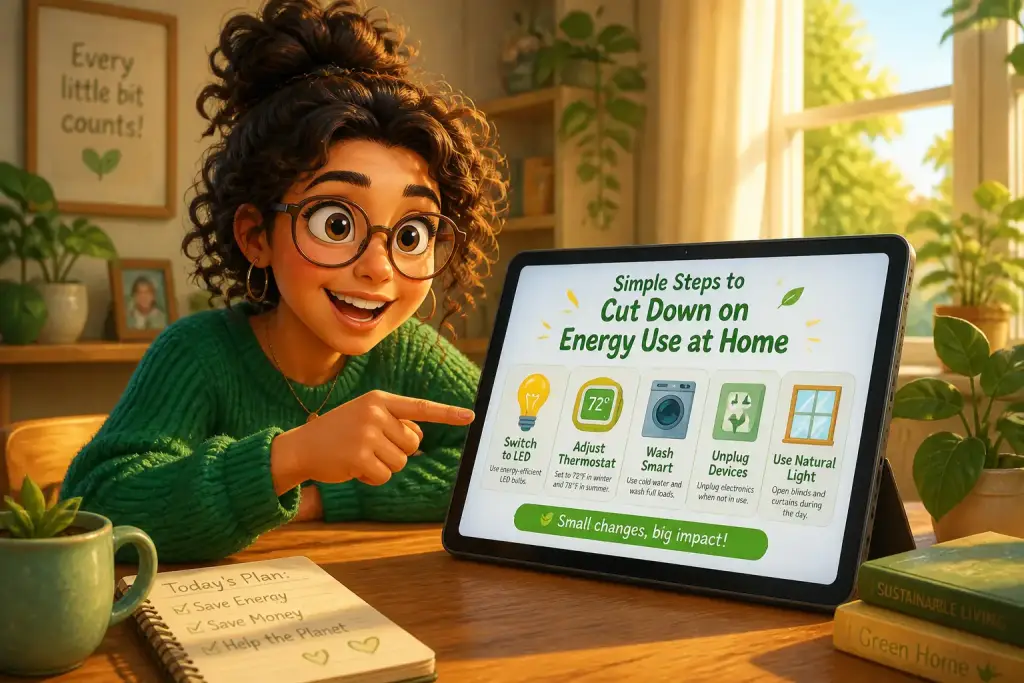
- LED lighting: Switching to LED bulbs can reduce energy consumption and last much longer than traditional bulbs.
Making these changes can lead to a more sustainable living space. For example, replacing old light bulbs with LED options can cut energy usage significantly. Even small adjustments, like using less hot water, can have a big impact over time.
Steps to Improve Home Sustainability
- Conduct an energy audit to identify areas for improvement.
- Start composting to reduce kitchen waste.
- Implement water-saving fixtures in bathrooms and kitchens.
By focusing on sustainability in your home, you create a more comfortable environment while contributing positively to the planet.
Incorporating Eco-Friendly Practices into Daily Life
Making eco-friendly choices can feel overwhelming. However, integrating sustainable practices into daily life can be simple and rewarding. The key is to start small and gradually incorporate more changes over time.
Begin by identifying one area of your life to focus on. For instance, if you often buy bottled water, switch to a reusable bottle instead. This small change can save money and reduce plastic waste.
Consider these daily habits to make sustainable living easier:
- Plan meals: Planning meals reduces food waste and saves money. By knowing what you need, you avoid buying unnecessary items.
- Use public transport: Whenever possible, opt for public transportation or carpooling to reduce carbon emissions.
- Practice mindful consumption: Before making a purchase, ask yourself if you truly need the item or if there is a more sustainable alternative.
Creating eco-friendly habits takes time. Start with one or two practices and gradually build upon them. Over time, these small changes can lead to a significant lifestyle shift.
Creating a Sustainable Routine
To establish a sustainable routine:
- Set clear goals for your eco-friendly practices.
- Track your progress to stay motivated.
- Share your journey with friends to inspire them.
By incorporating these practices into your life, you contribute to a healthier planet and inspire others to do the same.

Virginia De Angelis
Founder & Lead EditorVirginia De Angelis is the founder and lead editor of Eco Zoned in Italy, where she guides readers towards practical innovative eco-tech solutions for everyday life.