







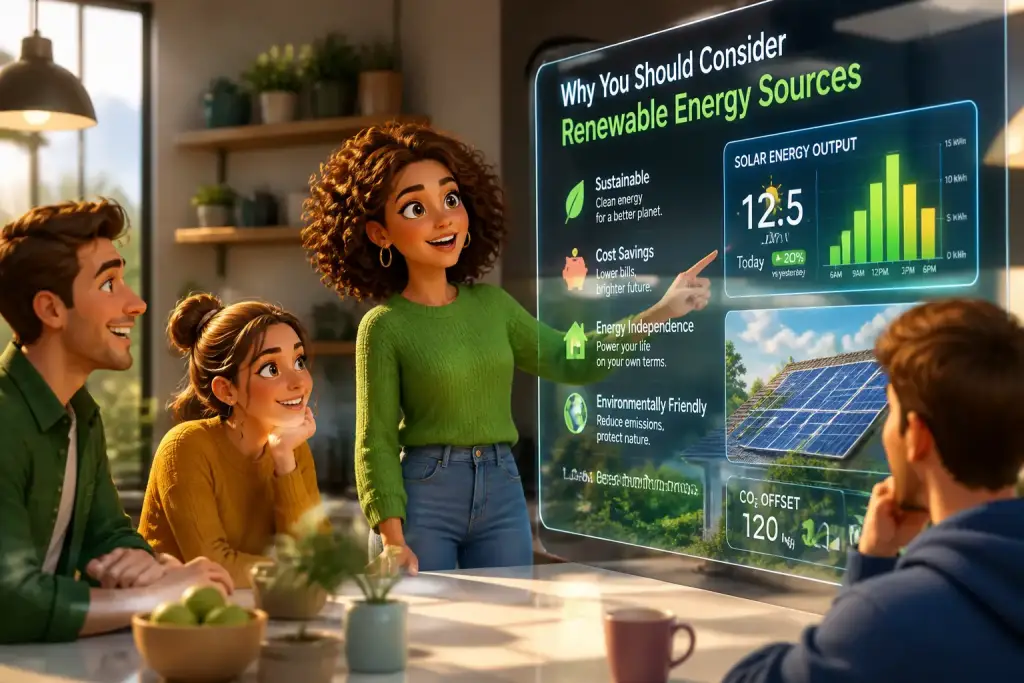
Renewable energy sources are becoming increasingly vital in today’s world. As society faces challenges such as climate change, pollution, and dwindling natural resources, the shift toward cleaner energy solutions is essential. By considering renewable energy sources, individuals and businesses can not only contribute to a healthier planet but also save money and enhance energy security.
- Renewable energy reduces reliance on fossil fuels, promoting energy independence.
- Implementing solar or wind energy can significantly lower utility bills.
- Transitioning to renewables helps combat climate change and environmental degradation.
Table of Contents
Essential Foundations of the Benefits of Renewable Energy
Switching to renewable energy sources offers numerous advantages. First and foremost, it reduces our dependence on fossil fuels. Fossil fuels are finite resources, and their extraction and use contribute significantly to environmental degradation. By utilizing renewable energy, such as solar, wind, or hydroelectric power, we can mitigate these negative impacts while ensuring a sustainable energy supply for future generations.
Cost savings represent another powerful reason to consider renewable energy. Investing in renewable technologies can lead to lower energy bills. For example, installing solar panels reduces reliance on grid electricity, allowing homeowners to generate their own energy. Over time, these savings can accumulate significantly, helping to offset the initial investment costs.
Long-Term Financial Advantages
To immediate savings, renewable energy can provide long-term financial benefits. The costs of renewable energy technologies have decreased dramatically over the past decade. For instance, solar panel prices fell by nearly 90 percent from 2010 to 2020. This trend makes renewable energy more accessible for households and businesses alike. Furthermore, government incentives, such as tax credits and rebates, often support these investments, making them even more appealing.
- Tax incentives can help lower the upfront costs of solar installations.
- Many regions offer rebates for wind turbine installations, enhancing overall savings.
- Long-term contracts with energy providers can stabilize energy costs, protecting against future price hikes.
Environmental Impact of Renewable Energy
The environmental benefits of renewable energy sources cannot be overstated. Traditional energy sources, such as coal and natural gas, release large amounts of greenhouse gases into the atmosphere, contributing to climate change. In contrast, renewable energy sources produce little to no emissions during operation, significantly reducing the carbon footprint.
Switching to renewable energy also helps reduce air and water pollution. Fossil fuel extraction and consumption pollute our air and waterways. For example, coal mining can contaminate nearby water systems, harming local ecosystems. By adopting renewable energy, we can protect our natural resources and create a healthier environment.
Case Studies of Successful Renewable Energy Implementation
Various countries have embraced renewable energy with significant success. For instance, Germany has made substantial investments in wind and solar energy. As of now, these sources account for over 40 percent of the country’s electricity generation. This shift has not only reduced emissions but also created jobs in the green technology sector.
- Germany: Over 40% electricity from renewables.
- Denmark: 50% of energy from wind turbines.
- California: Aims for 100% clean energy by 2045.
Renewable Energy Technologies to Consider
To effectively harness renewable energy, various technologies are available today. Solar energy is one of the most popular options. Homeowners can install solar panels on their rooftops to capture sunlight and convert it into electricity. This technology has become increasingly efficient and affordable, making it a viable choice for many.
Wind energy is another excellent option. Small wind turbines can be installed in residential areas to generate power. These turbines can produce enough energy to meet the needs of an average household. In addition, larger wind farms produce electricity on a much larger scale, contributing to grid power.
Steps to Install Solar Panels
Installing solar panels requires careful planning and execution. Here are the steps involved:
- Assess your energy needs to determine the size and type of solar system required.
- Evaluate your home’s roof to ensure it can support solar panels.
- Research local solar installation companies and obtain quotes.
- Review financing options, including potential government incentives.
- Schedule installation and ensure proper maintenance to maximize efficiency.
Economic Opportunities in the Renewable Sector
The renewable energy sector is a growing source of economic opportunities. As more companies and individuals invest in clean energy, new jobs are created. From manufacturing solar panels to maintaining wind turbines, the demand for skilled labor in this field is on the rise. In fact, the renewable energy sector employed over 11 million people globally as of 2020, and this number continues to grow.
Entrepreneurs can also benefit from the renewable energy movement. Many businesses are emerging to offer innovative products and services in this space. For example, companies are developing energy storage solutions to help households store excess energy generated from solar panels. This technology allows users to have power available during non-sunny hours, enhancing energy independence.
Examples of Emerging Renewable Energy Businesses
Several startups are making waves in the renewable energy industry. Some notable examples include:
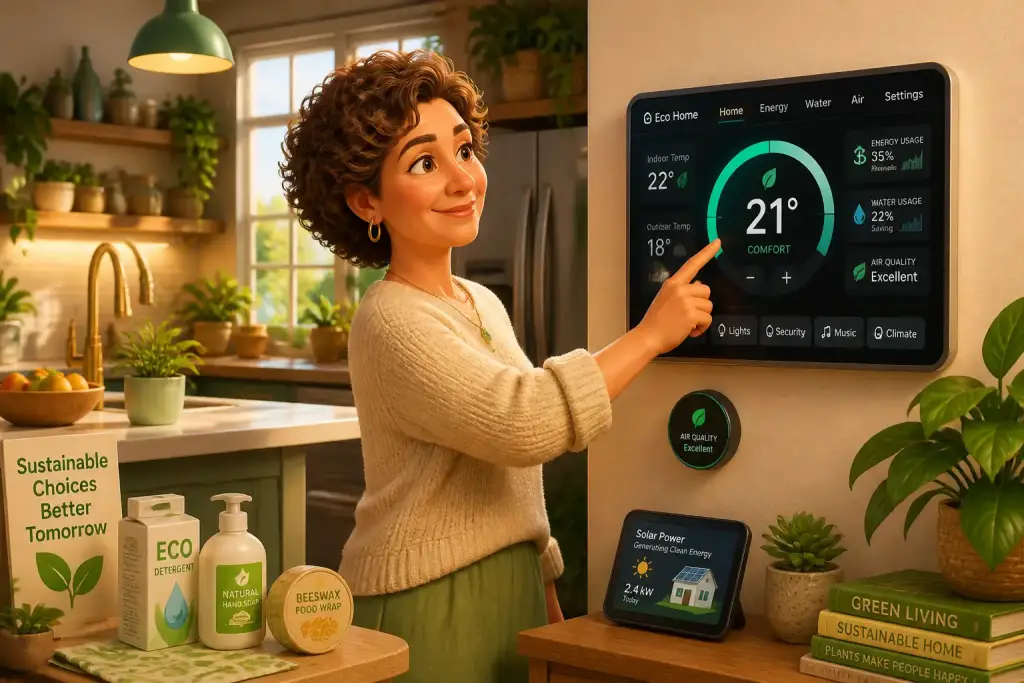
- Companies focusing on smart home technology that integrates renewable energy management.
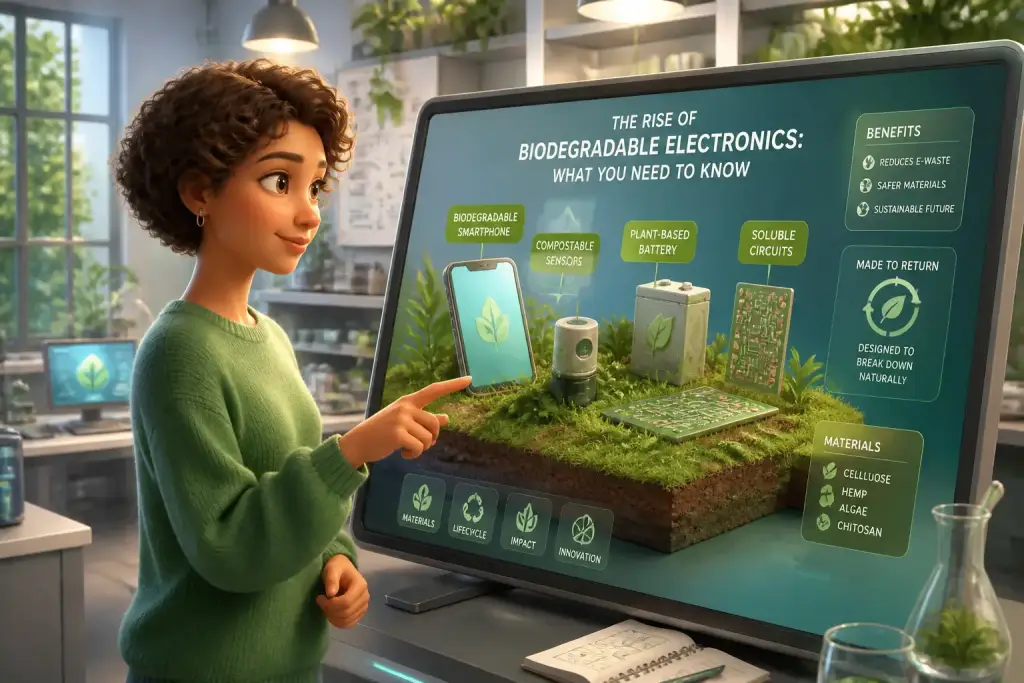
- Businesses creating biodegradable solar panels to reduce environmental impact.
- Startups offering community solar programs, allowing multiple households to share the benefits of a single solar installation.
Consider installing solar panels or a small wind turbine to cut down on energy costs and increase your home's value.
Challenges and Considerations When Transitioning
Despite the many benefits, there are challenges associated with transitioning to renewable energy sources. One significant hurdle is the initial investment required for installation. Although prices have dropped, the upfront costs can still be prohibitive for some homeowners. Financing options, such as loans or leasing programs, can help make this transition more accessible.
Another challenge is the intermittent nature of some renewable energy sources. Solar and wind energy depend on weather conditions, which can lead to fluctuations in energy production. To address this, homeowners can consider hybrid systems that combine different energy sources, such as solar and battery storage, to ensure a consistent energy supply.
Mitigating Challenges
To successfully transition to renewable energy, consider the following strategies:
- Research available financing options, such as government grants and low-interest loans.
- Collaborate with local energy co-ops to share resources and reduce costs.
- Invest in energy storage solutions to manage supply and demand effectively.
Taking Action for a Cleaner Future
Transitioning to renewable energy sources is not just a personal choice; it is a collective responsibility. As individuals, we can take action by adopting clean energy technologies and advocating for policy changes that support renewable energy development. It is essential to communicate the benefits of renewable energy to peers and community members, building a culture of sustainability.
Joining local environmental groups or participating in community initiatives can amplify our efforts. Engaging with others who share the same goals can help create a stronger movement toward renewable energy adoption. As more people become aware of the benefits, the push for cleaner energy solutions will grow, leading to a more sustainable future for everyone.
In summary, renewable energy sources offer a multitude of benefits that extend beyond mere cost savings. They play a vital role in protecting our environment, promoting energy independence, and creating economic opportunities. By considering these options today, you can contribute to a cleaner, more sustainable future.

Virginia De Angelis
Founder & Lead EditorVirginia De Angelis is the founder and lead editor of Eco Zoned in Italy, where she guides readers towards practical innovative eco-tech solutions for everyday life.