








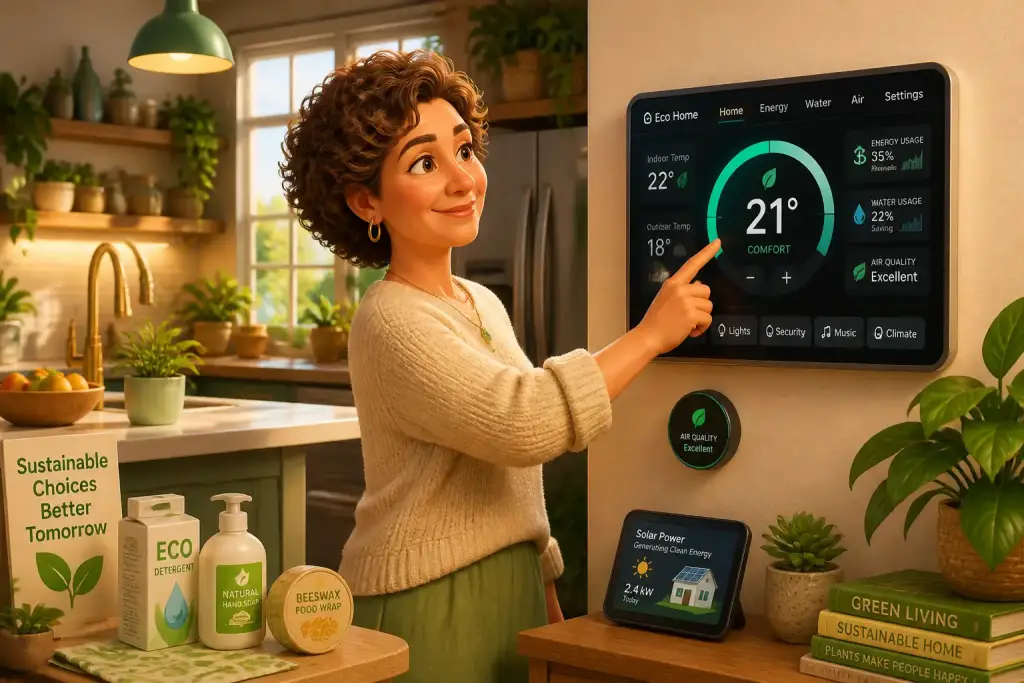
Smart home devices play an essential role in modern sustainability efforts. These innovative tools not only make daily life more convenient but also significantly reduce energy consumption and waste. By integrating smart technology into your home, you can take meaningful steps toward a more sustainable lifestyle. This guide explores various smart home devices that help you live sustainably, providing practical examples and actionable tips.
- Smart thermostats can reduce your heating and cooling costs, optimizing energy use throughout the day.
- Energy-efficient smart lighting helps lower electricity consumption and enhances home comfort.
- Smart appliances minimize waste and improve resource management in everyday tasks.
Table of Contents
Energy-Efficient Smart Thermostats
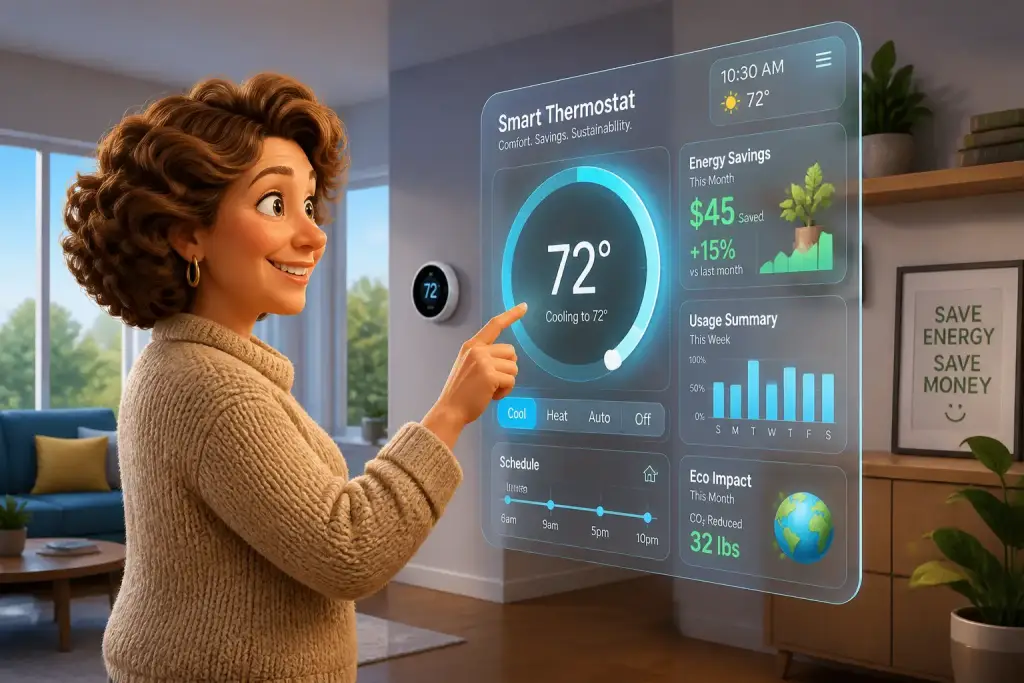
One of the most impactful smart home devices is the smart thermostat. These devices learn your heating and cooling preferences, optimizing energy use to ensure comfort while lowering energy bills. For instance, a smart thermostat can automatically adjust the temperature based on your routine. When you leave home, it can lower the temperature to save energy, then warm up just before you return.
Many models connect to your smartphone, allowing you to control the temperature remotely. This feature is especially useful when you forget to adjust the thermostat before leaving the house. Some popular brands include Nest and Ecobee, both of which offer user-friendly apps and energy-saving features.
How to Choose a Smart Thermostat
- Check Compatibility: Ensure the thermostat works with your heating and cooling system.
- Consider Features: Look for features like remote access, learning capabilities, and energy reports.
- Read Reviews: Check user reviews for reliability and ease of use.
By selecting the right smart thermostat, you can make a significant impact on your energy consumption. Many users report energy savings of up to 15% after installation, making this a smart investment for eco-conscious homeowners.
Smart Lighting Solutions
Lighting accounts for a significant portion of household energy use. Switching to smart lighting can dramatically reduce energy waste. Smart bulbs, like those from Philips Hue or LIFX, allow you to control brightness and color temperature, making it easy to create the perfect ambiance while saving energy.
These bulbs can be easily programmed to turn off when you leave a room or dim automatically during certain times of the day. Additionally, you can set schedules or use motion sensors to ensure lights are only on when needed. This not only saves energy but also extends the lifespan of your bulbs, reducing waste.
Benefits of Smart Lighting
- Energy Savings: Smart bulbs use up to 80% less energy than traditional incandescent bulbs.
- Customization: Adjust the lighting to suit your mood or activity.
- Automation: Set schedules and timers for energy-efficient lighting control.
Many smart lighting systems also integrate with other smart home devices, creating a cohesive energy management system in your home. By adopting smart lighting, you can enjoy a more sustainable lifestyle while enhancing your home’s comfort.
Smart Appliances for Eco-Friendly Living
Modern appliances now offer smart features that improve efficiency and reduce waste. Smart refrigerators can track food inventory, sending notifications when items are about to expire. This helps prevent food waste by encouraging timely consumption. Brands like Samsung and LG offer smart fridges with these capabilities.
Smart washing machines and dryers can optimize water and energy use by adjusting cycles based on load size and fabric type. This ensures that you are not using more resources than necessary. Many smart appliances also feature energy monitoring, allowing you to track usage and make adjustments to save energy over time.
Steps to Integrate Smart Appliances
- Choose Energy Star Rated Devices: Look for appliances with the Energy Star label for verified efficiency.
- Connect to Your Smart Home Hub: Ensure compatibility with your existing home automation system for centralized control.
- Set Up Usage Alerts: Use your appliance’s app to set notifications for high usage times or maintenance reminders.
By using smart appliances, you can not only make your daily tasks more efficient but also contribute to a more sustainable environment.
Home Energy Management Systems
Home energy management systems (HEMS) offer a comprehensive way to track and manage energy use in your home. These systems collect data from various devices, providing insights into your energy consumption patterns. You can monitor which devices use the most power and when, allowing you to make informed decisions about your energy habits.
Some HEMS can automatically adjust settings on devices based on real-time energy costs. For example, if energy prices are lower at night, the system can schedule heavy-duty tasks like washing or charging electric vehicles for those hours. This not only saves money but also lessens the strain on the electrical grid during peak hours.
Key Features of Home Energy Management Systems
- Real-Time Monitoring: View your energy consumption in real time through an app or dashboard.
- Smart Alerts: Receive notifications for unusual spikes in energy use or device malfunctions.
- Automated Scheduling: Optimize energy use by scheduling appliances based on energy costs.
By implementing a HEMS, you empower yourself to take control of your energy consumption, leading to more sustainable living habits.
Invest in a smart home hub to control all devices from one place, streamlining energy usage and enhancing convenience.
Smart Water Management Systems
Water conservation is vital for sustainability, and smart water management systems help homeowners monitor and manage water usage effectively. Smart irrigation controllers can adjust watering schedules based on weather forecasts, ensuring that gardens and lawns receive water only when necessary. This prevents overwatering, saving both water and money.
Leak detection systems are another valuable tool. They can alert homeowners to leaks in pipes or appliances, allowing for quick repairs and preventing water waste. Some models even shut off the water supply automatically to minimize damage in case of a leak.
Implementing Smart Water Solutions
- Install Smart Irrigation Controllers: Choose a controller that connects to local weather data for optimal watering.
- Set Up Leak Detection Sensors: Place sensors near potential leak sources like sinks, toilets, and washing machines.
- Monitor Water Usage: Use smart meters to track daily water consumption and identify areas for improvement.
By incorporating smart water management systems, homeowners can significantly reduce water waste and promote sustainability in their daily lives.
Integrating Renewable Energy Sources
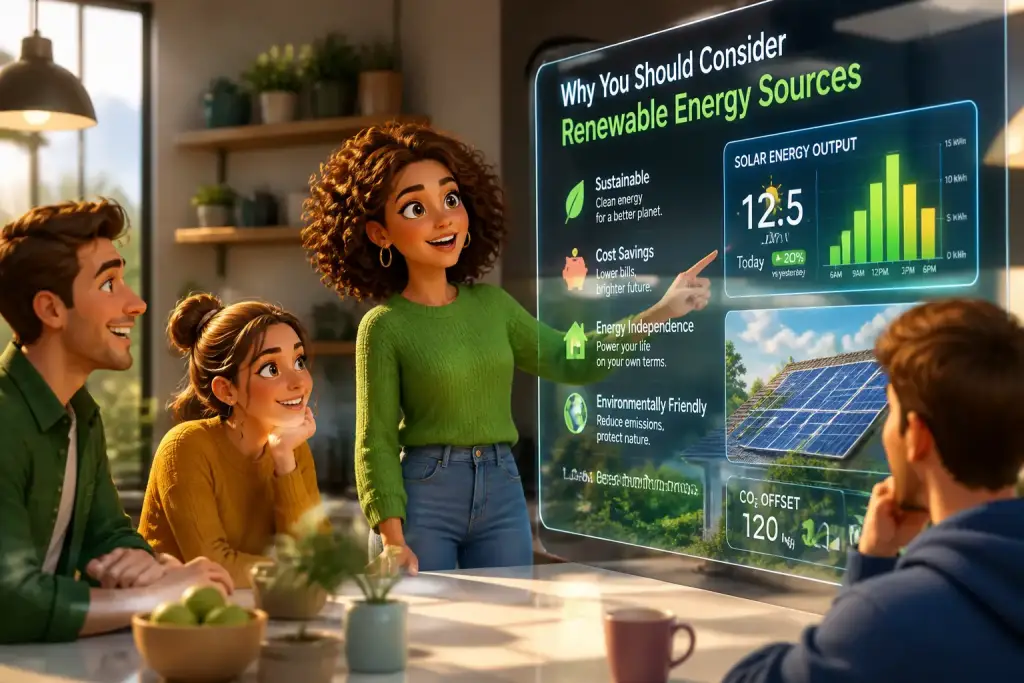
Renewable energy sources, such as solar panels, are becoming more accessible for homeowners. Smart home devices can efficiently manage how this energy is used. For example, smart inverters can optimize the use of solar energy by directing it to devices that require power at specific times, reducing reliance on the grid.
Battery storage systems are another crucial component. They store excess energy generated during sunny days for use at night, ensuring that you maximize the benefits of your solar installation. Smart home systems can manage these batteries, allowing for seamless energy use throughout the day.
Steps to Transition to Renewable Energy
- Assess Your Energy Needs: Calculate your household’s energy consumption to determine the size of the solar system needed.
- Consult with Professionals: Work with solar energy experts to design a system tailored to your needs.
- Incorporate Smart Monitoring: Use apps to track energy production and consumption in real-time.
Transitioning to renewable energy sources not only reduces your carbon footprint but also contributes to long-term savings on energy bills.
Building a Sustainable Smart Home Ecosystem
Creating a sustainable smart home ecosystem involves integrating various smart devices to work together harmoniously. By combining smart thermostats, lighting, appliances, and energy management systems, you can create a cohesive approach to energy savings and waste reduction. This interconnectedness allows for automated adjustments that enhance efficiency.
Start by selecting a central smart home hub to connect all your devices. This hub will enable you to control everything from one interface, simplifying management. Brands like Amazon Echo and Google Nest offer robust options for integrating various smart devices into a single network.
Strategies for Successful Integration
- Choose Compatible Devices: Ensure all devices work with your chosen smart home hub.
- Regularly Update Software: Keep your devices’ software up to date for improved performance and security.
- Educate Yourself: Learn about new features and updates to maximize the benefits of your devices.
By building a sustainable smart home ecosystem, you can effectively reduce energy consumption, manage resources better, and contribute to a greener planet.

Virginia De Angelis
Founder & Lead EditorVirginia De Angelis is the founder and lead editor of Eco Zoned in Italy, where she guides readers towards practical innovative eco-tech solutions for everyday life.