








Food waste is a serious issue. Currently, around one-third of all food produced globally is wasted. This waste not only costs money but also harms the environment. Reducing food waste at home is a practical step anyone can take. With some simple changes in habits, you can save money and make a positive impact on the planet. Here, we will explore eco-friendly tips for reducing food waste at home.
- Plan meals to buy only what you need.
- Store food correctly to prolong freshness.
- Use leftovers creatively to minimize waste.
Table of Contents
Start with Meal Planning
Meal planning is an effective way to cut down food waste. By planning your meals for the week, you can buy only what you need. This reduces the chances of food spoiling before you use it. Begin by creating a simple meal plan for the week. Write down breakfast, lunch, and dinner ideas. Include snacks too.
For example, if you plan to make a stir-fry on Tuesday, you can buy just the amount of vegetables you need. This way, you will avoid buying extras that you may not use. A well-planned shopping list helps you stick to your plan. It can also save you time and money.
How to Create a Meal Plan
- Choose recipes that use similar ingredients.
- Check your pantry for items you already have.
- Make a list of ingredients you need to buy.
By following these steps, you can make meal planning easier. It takes only a few minutes each week and can significantly reduce your food waste. For a closer look at related steps, see our guide on Mindful Gardening: Cultivating an Eco-Conscious Mindset in Your Backyard.
Store Food Properly
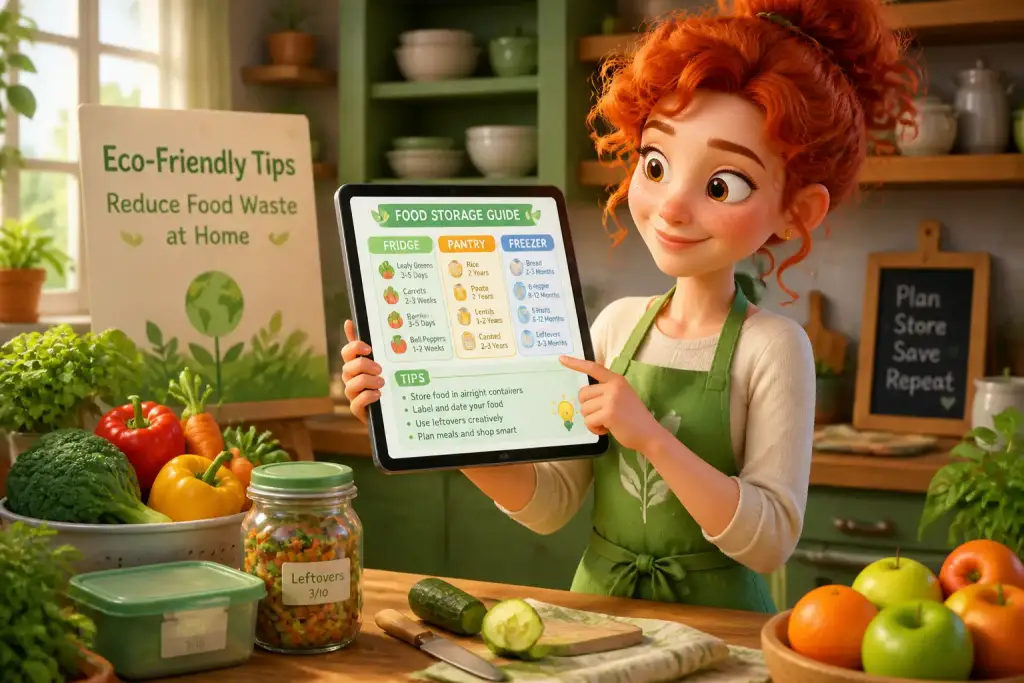
Proper food storage is another key to reducing waste. Different foods need different storage methods to stay fresh. For example, some fruits like apples emit ethylene gas. This gas can cause other fruits and vegetables to ripen too quickly. Keep apples in a separate place from other produce.
Use airtight containers for leftovers. This keeps them fresh longer. Label containers with dates to remind yourself when to eat them. This simple habit can help reduce the chances of leftovers being forgotten and thrown away. Aligning your routine with global street food traditions makes daily maintenance much simpler.
Tips for Storing Common Foods
| Food Item | Best Storage Method | Storage Duration |
|---|---|---|
| Leafy Greens | In a damp paper towel in a container | 3-7 days |
| Cooked Rice | Airtight container in fridge | 4-6 days |
| Bananas | At room temperature, away from other fruits | 2-7 days |
| Leftover Meat | Airtight container in fridge | 3-4 days |
Using the right storage method for each food item can extend its life and reduce waste. Experiment with different storage techniques to find what works best for you.
Use Leftovers Wisely
Leftovers are often the most wasted food in households. Instead of throwing them away, think creatively about how to use them. One great way is to add leftovers to new recipes. For instance, leftover vegetables can go into soups, stews, or omelets. This not only saves food but also makes meal prep easier.
Another idea is to create a “leftover night” each week. This is a designated night for finishing off leftovers. Encourage your family to join in. Make it fun by letting everyone choose their favorite leftover dish.
Simple Leftover Ideas
- Mix leftover grains with vegetables and a protein for a stir-fry.
- Use stale bread to make croutons or breadcrumbs.
- Blend leftover fruits into smoothies.
By thinking outside the box, you can enjoy a variety of meals while reducing food waste.
Compost Food Scraps
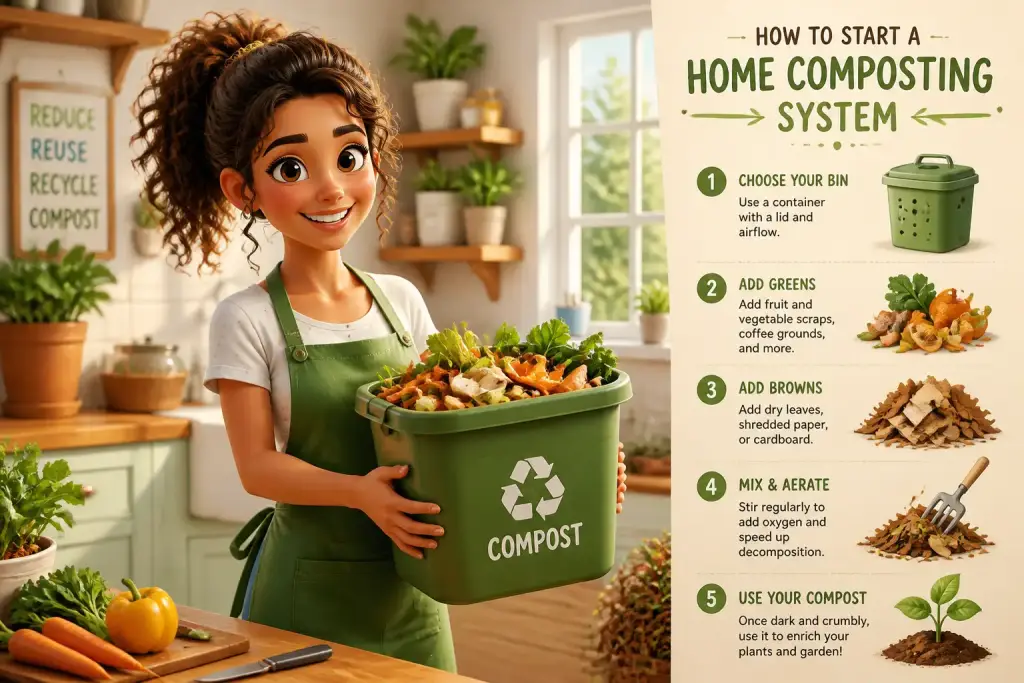
Composting is an excellent way to deal with food scraps that cannot be eaten. Instead of throwing them in the trash, composting turns waste into valuable soil. This soil can be used to grow plants in your garden. Composting is easy and can be done in small spaces.
Start by collecting food scraps like vegetable peels, coffee grounds, and eggshells. You can use a compost bin or a simple container. Make sure to balance green materials (like veggie scraps) with brown materials (like dry leaves or paper). This helps keep the compost healthy.
Composting Basics
- Choose a compost container suitable for your space.
- Add food scraps and yard waste regularly.
- Turn the compost every few weeks to aerate it.
In a few months, you will have rich compost ready to use in your garden. This not only reduces waste but also enriches your soil.
Always check your pantry and fridge before shopping. This helps avoid buying items you already have.
Shop Smart and Mindfully
Shopping habits greatly influence food waste. Always make a list before going to the grocery store. This helps you avoid buying items you do not need. Stick to your list and do not get distracted by sales. Buying in bulk might seem cheaper, but it can lead to waste if you cannot use all the items.
Consider visiting local farmers’ markets. Buying fresh, local produce not only supports the community but also reduces the distance food travels. This can lead to fresher food that lasts longer. In addition, local producers often sell produce that is in season, which is usually cheaper and tastier.
Smart Shopping Tips
- Buy only what you need based on your meal plan.
- Check expiration dates before buying.
- Look for “ugly” fruits and vegetables that may be discounted.
By shopping mindfully, you can greatly reduce the amount of food you waste at home.
Involve the Whole Family
Getting everyone involved is vital for reducing food waste at home. Teach family members about the importance of minimizing waste. Share your meal planning and prep tasks. When everyone understands the goal, it becomes easier to stick to it.
Include children in the process by letting them help with cooking and grocery shopping. This teaches them valuable skills and encourages them to make healthier food choices. It can also be a fun family bonding activity.
Family Activities to Reduce Waste
- Hold a “leftover challenge” where everyone creates a dish from leftovers.
- Start a family compost bin project.
- Create a food waste journal to track what is thrown away.
Involving the whole family creates a supportive environment for reducing food waste. Everyone can contribute ideas and solutions.
Long-Term Habits for Sustainability
Building long-term habits is essential for reducing food waste sustainably. Start by setting personal goals. For example, aim to reduce your food waste by a certain percentage each month. Track your progress to stay motivated.
Another long-term habit is to regularly assess your food storage and meal planning methods. As your family grows or changes, your needs may also change. Adjust your habits accordingly to ensure they remain effective.
Long-Term Strategies
- Review your meal plans monthly and adjust based on seasonal foods.
- Educate yourself on food preservation techniques.
- Stay updated on local food programs and initiatives that support waste reduction.
By committing to these habits, you can create a lasting impact on your household’s food waste. Small changes lead to significant improvements over time.
Reducing food waste at home is achievable with simple, actionable steps. By meal planning, storing food properly, using leftovers wisely, composting, shopping smart, involving the family, and building long-term habits, you can make a difference. Start today and contribute to a more sustainable future while saving money in the process.

Virginia De Angelis
Founder & Lead EditorVirginia De Angelis is the founder and lead editor of Eco Zoned in Italy, where she guides readers towards practical innovative eco-tech solutions for everyday life.