








Creating a zero-waste grocery list is a practical approach to shopping that helps reduce waste and promotes sustainability. Today, many people are now more conscious of their environmental impact, and crafting a grocery list that aligns with zero-waste principles is a great step in the right direction. This guide will provide you with detailed insights and actionable steps to create an effective zero-waste grocery list, ensuring that your shopping habits contribute positively to the planet.
- Identify essential items to prevent impulse purchases.
- Choose bulk foods to minimize packaging waste.
- Always bring reusable bags and containers when shopping.
Table of Contents
How the Zero-Waste Philosophy Works in Practice
The zero-waste philosophy is about minimizing waste by rethinking how we produce, consume, and dispose of products. It encourages individuals to refuse unnecessary items, reduce waste, reuse whenever possible, recycle responsibly, and rot (compost) organic materials. This approach can significantly lessen the amount of waste that ends up in landfills.
When it comes to grocery shopping, the goal is to purchase items that have little to no packaging. Choosing local, seasonal, and bulk foods can help you avoid products that contribute to environmental pollution. Because every little action counts, making informed decisions while shopping can lead to greater environmental benefits. The first step in adopting this lifestyle is creating a grocery list that supports these values.
For instance, consider opting for fresh fruits and vegetables instead of pre-packaged snacks. Not only does this reduce packaging waste, but it also promotes healthier eating habits. Additionally, many grocery stores now offer bulk bins where you can buy grains, nuts, and spices without any packaging. This not only helps the environment but can also save you money.
Understanding the zero-waste movement is crucial for creating a grocery list that truly reflects these values. It requires a shift in mindset, focusing on sustainability rather than convenience. When you embrace this philosophy, every grocery trip becomes an opportunity to reduce waste in practical ways.
Steps to Create Your Zero-Waste Grocery List
Crafting a zero-waste grocery list is a straightforward process that involves a few essential steps. By following these steps, you can ensure that your shopping trip aligns with your sustainability goals.
Step 1: Assess Your Pantry and Fridge
Before making a grocery list, take a good look at what you already have at home. Assess your pantry and fridge to check for items that need to be used up. This step helps to avoid unnecessary purchases and reduces food waste. Make a note of items that are nearing their expiration dates and plan to incorporate them into your meals for the week.
Step 2: Plan Your Meals
Meal planning is a key component of creating an effective grocery list. By deciding what meals you want to prepare for the week, you can create a list of ingredients you need. This approach not only saves time but also helps to minimize impulse buys. Consider using seasonal ingredients as they are often fresher, tastier, and more affordable.
Step 3: Make a Detailed List
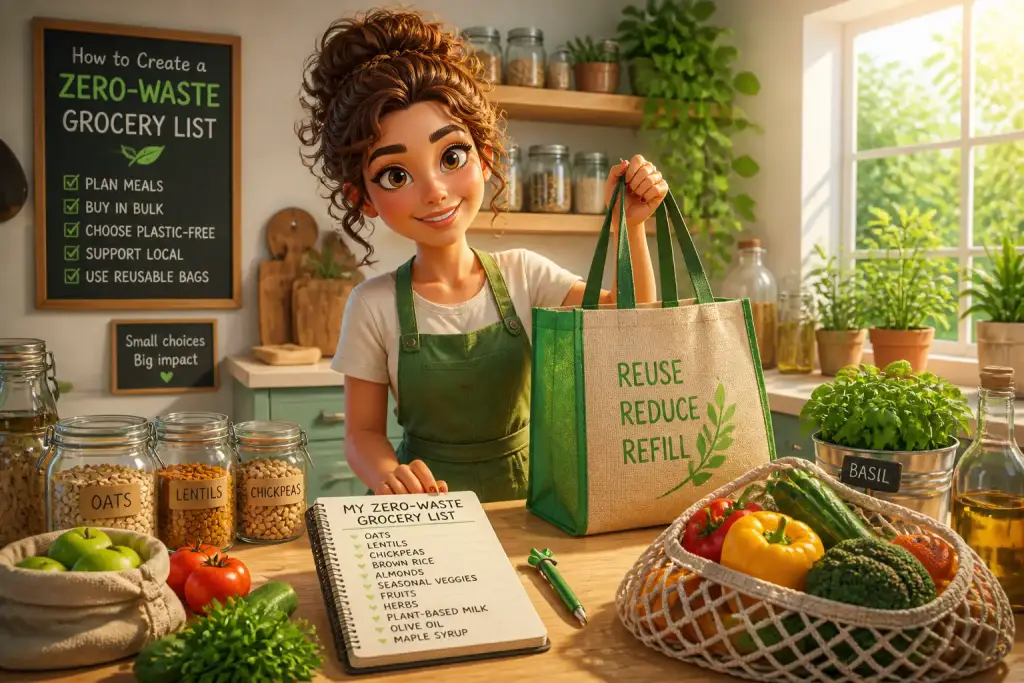
Once you have assessed your current supplies and planned your meals, it is time to create your grocery list. Organize your list by categories such as fruits, vegetables, grains, and proteins. This organization can help streamline your shopping experience and reduce the chances of forgetting items. Here’s a simple format to follow:
- Fruits: apples, bananas, oranges
- Vegetables: carrots, spinach, bell peppers
- Grains: rice, quinoa, oats
- Proteins: beans, lentils, tofu
By having a clear and organized list, you can avoid wandering the aisles and buying items that are not on your list. This saves time and helps stick to your zero-waste goals.
Choosing Zero-Waste Products
When shopping for groceries, it is essential to choose products that align with zero-waste principles. Not all items are created equal, and some contribute significantly more to waste than others. Here are some categories to consider while selecting your products.
Opt for Bulk Items
Buying in bulk is one of the best ways to reduce packaging waste. Many grocery stores offer bulk bins where you can fill your containers with items like grains, nuts, and dried fruits. This method not only reduces plastic use but can also save you money. Bring your reusable containers or bags to fill with your desired items, and always check if the store has a scale to weigh your containers before filling them.
Choose Glass or Metal Over Plastic
When selecting packaged products, opt for glass, metal, or cardboard instead of plastic. For example, choose glass jars for sauces or metal cans for beans. These materials are generally recyclable and more environmentally friendly compared to plastic packaging. Additionally, glass jars can be reused in various ways around the house, such as storage containers or for DIY projects.
Support Local and Seasonal Produce
Buying local and seasonal produce not only supports your community but also reduces the carbon footprint associated with transporting food over long distances. Farmers markets are great places to find fresh produce without excessive packaging. When shopping, look for items that are in season, as they are often fresher and tastier.
Many local farms may offer subscription services for fresh produce, allowing you to receive a variety of seasonal items weekly without the need for packaging. This is a great way to try new fruits and vegetables while reducing waste.
Plan meals ahead of time to ensure you only buy what you need, reducing food waste and saving money.
Shopping Practices to Reduce Waste
Even with a well-planned grocery list, the way you shop can significantly impact your overall waste reduction efforts. Implementing mindful shopping practices can enhance your zero-waste goals.
Bring Your Own Bags and Containers
Always remember to bring reusable bags and containers when grocery shopping. This simple action can prevent the use of plastic bags that are often provided at stores. Consider investing in a set of reusable produce bags for fruits and vegetables, which can replace single-use plastic bags.
Avoid Single-Use Items
Stay clear of single-use items such as plastic cutlery, plates, and cups. If you need to purchase food on the go, bring your own container to avoid using disposable packaging. Many cafes and restaurants are now open to filling reusable containers, especially when asked politely. This small change can significantly reduce the amount of waste generated during your shopping trips.
Stay Focused and Avoid Impulse Buys
Sticking to your grocery list is essential to minimize waste. Impulse buys can lead to items that may go unused and ultimately wasted. To stay focused, try shopping when you are not hungry, as this can help prevent cravings for unnecessary items. Additionally, consider setting a budget to keep your spending in check, which can also help in resisting the temptation of impulse purchases.
After Shopping: Proper Food Storage and Waste Management
Once you have completed your grocery shopping, how you store food can impact your waste levels. Proper storage techniques can help extend the shelf life of your items and reduce food waste.
Store Foods Correctly
Organize your fridge and pantry in a way that prioritizes the use of older items first. Use clear containers to store leftovers and keep track of what you have on hand. This strategy helps ensure that food is consumed before it spoils. Labeling containers with dates can also serve as a reminder to use items in a timely manner.
Compost Food Scraps
Instead of throwing away food scraps, consider composting. Composting is an excellent way to recycle organic waste, turning it into nutrient-rich soil for gardening. If you have the space, setting up a home composting system can significantly reduce the amount of waste that goes to landfills. For more information on how to start a composting system, check out our article on home composting systems.
Remember to also recycle non-organic materials properly. Check with your local recycling program to understand what items can be recycled and how to prepare them. Proper recycling practices can further reduce the waste generated from grocery shopping.
Creating a zero-waste grocery list is a meaningful step toward a more sustainable lifestyle. By following the outlined strategies, you can shop smarter, reduce waste, and make a positive impact on the environment.
With careful planning and mindful shopping practices, anyone can contribute to a healthier planet. Start today by crafting your zero-waste grocery list and embrace the journey toward sustainability.

Virginia De Angelis
Founder & Lead EditorVirginia De Angelis is the founder and lead editor of Eco Zoned in Italy, where she guides readers towards practical innovative eco-tech solutions for everyday life.