









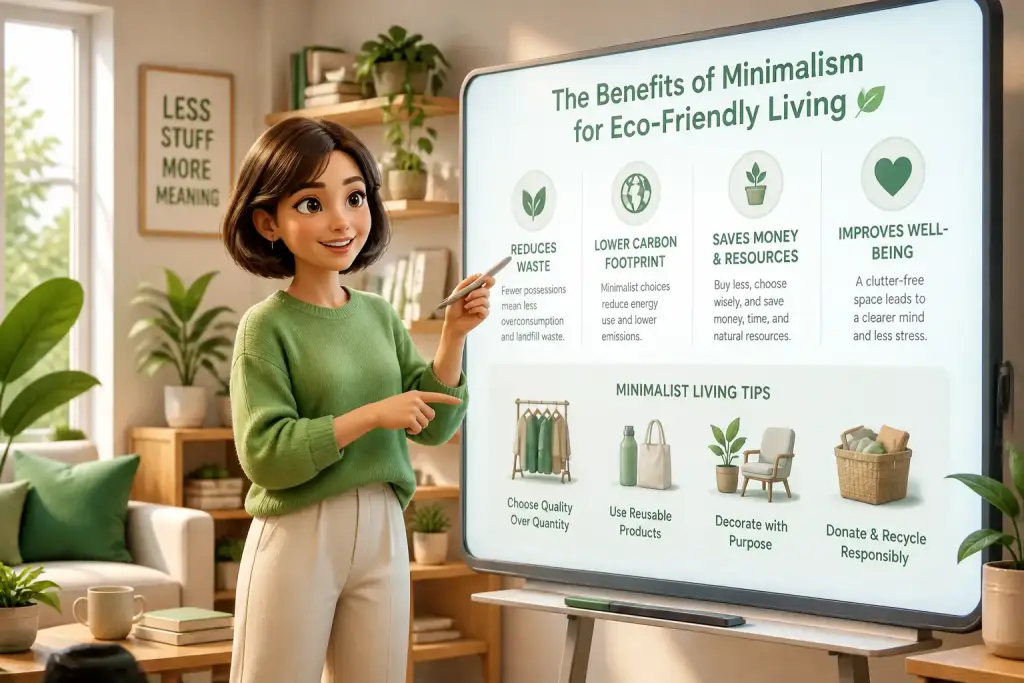
Minimalism, often associated with a simple lifestyle, holds significant benefits for eco-friendly living. This approach encourages individuals to reduce their consumption and focus on what truly matters. By embracing minimalism, people can lead a more sustainable life, contributing positively to the environment. The benefits of minimalism extend beyond just personal well-being; they also play a crucial role in promoting sustainable practices that can help combat climate change and reduce waste. In this comprehensive guide, we will explore the various benefits of minimalism for eco-friendly living, practical steps to implement this lifestyle, and how it can lead to a healthier planet.
- Minimalism reduces waste and consumption, leading to a healthier planet.
- Adopting a minimalist lifestyle can enhance mental clarity and well-being.
- Sustainable living practices align well with minimalism, promoting eco-friendly habits.
Table of Contents
Essential Foundations of Minimalism and Eco-Friendliness
Minimalism is more than just a trend; it is a lifestyle that encourages simplicity and intentional living. By focusing on the essentials, individuals can reduce their environmental impact. Eco-friendliness, on the other hand, emphasizes practices that benefit the environment. These two concepts align perfectly, as minimalism encourages individuals to buy less, use less, and waste less. This synergy creates a powerful framework for living sustainably.
Practicing minimalism involves evaluating what items are truly necessary and what can be discarded or donated. For instance, a person may realize they own several pairs of shoes but only wear a few regularly. By donating the excess, they not only declutter their space but also give those items a new life. This process not only benefits the individual by creating a more organized space but also helps the environment by reducing waste.
How Minimalism Supports Eco-Friendly Practices
Many minimalists adopt eco-friendly practices as a natural extension of their lifestyle. Here are some ways minimalism supports a greener lifestyle:
- Reduced Consumption: By purchasing only what is necessary, minimalists help decrease demand for mass-produced goods. This reduction in consumption leads to less waste and fewer resources used.
- Mindful Purchases: Minimalists tend to buy high-quality, sustainable products that last longer, which helps reduce the frequency of purchases and the subsequent waste.
- Less Waste: With fewer items, there is less clutter that can end up in landfills. Minimalists often prioritize recycling and reusing items, which further supports eco-friendliness.
By understanding how minimalism and eco-friendliness intersect, individuals can make conscious choices that benefit both their lives and the planet.
Practical Steps to Embrace Minimalism
Transitioning to a minimalist lifestyle might seem daunting at first, but it can be achieved through straightforward steps. Focusing on decluttering and simplifying your life can lead to significant benefits in eco-friendly living. Here’s how to start:
Step-by-Step Decluttering Process
Follow these steps to declutter your home effectively:
- Choose a Space: Start with one room or area to avoid feeling overwhelmed.
- Sort Items: Create three categories: keep, donate, and discard. Be honest about what you truly need.
- Set Limits: For items you keep, establish limits on how many you will own. For example, limit shoes to five pairs.
- Maintain Your Space: Regularly evaluate your belongings and repeat the process every few months.
By following these steps, you can create a more organized and eco-friendly living environment. Minimalism encourages ongoing reflection on what you really value, leading to less waste and more mindful consumption.
Minimalism and Mental Well-Being
Minimalism does not only impact physical surroundings; it also greatly affects mental health. A cluttered space can lead to a cluttered mind. Reducing physical clutter can result in enhanced mental clarity and focus. The simplicity of a minimalist lifestyle allows individuals to concentrate on their goals and aspirations instead of being distracted by unnecessary possessions.
Embracing minimalism can reduce stress and anxiety. When there are fewer items to manage, individuals can spend less time cleaning and organizing, freeing up time for activities that bring joy and fulfillment. This mental clarity can lead to healthier decision-making, including choices that support eco-friendly living.
Real-Life Examples of Improved Mental Health
Consider the story of Sarah, who decided to adopt a minimalist lifestyle. Sarah felt overwhelmed by her belongings and the constant need to maintain them. After decluttering her home and adopting a minimalist approach, she noticed a significant decrease in her anxiety levels. With less to manage, she could focus on her hobbies and spend more time outdoors, appreciating nature. This shift not only improved her mental health but also encouraged her to engage in eco-friendly practices, such as hiking and gardening.
Stories like Sarah’s show how minimalism can lead to a better quality of life while simultaneously promoting sustainable habits.
Eco-Friendly Choices Through Minimalism
Minimalism encourages individuals to make eco-friendly choices. This lifestyle promotes sustainability by emphasizing quality over quantity. Choosing to buy durable, environmentally-friendly products contributes to a healthier planet. Here are some eco-friendly choices that align with minimalism:
- Reusable Items: Invest in reusable bags, water bottles, and containers. These items reduce waste and promote sustainable habits.
- Second-Hand Shopping: Consider shopping at thrift stores or online marketplaces for gently used items. This practice not only saves money but also reduces demand for new goods.
- Energy-Efficient Appliances: When replacing appliances, opt for energy-efficient models. This choice lowers energy consumption and reduces carbon footprints.
By making conscious choices to prioritize sustainability, minimalists contribute to a greener future. These actions demonstrate how a minimalist lifestyle can lead to a more eco-friendly world.
Building a Community Around Minimalism
Adopting a minimalist lifestyle can be even more fulfilling when done in a community. Connecting with like-minded individuals can provide support and inspiration. Many people find motivation through sharing experiences and learning from one another. Building a community around minimalism can amplify its benefits.
Online forums, local meetups, and social media groups offer platforms for sharing tips, resources, and encouragement. These interactions can help individuals stay committed to their minimalist and eco-friendly goals. Engaging with others fosters a sense of belonging and accountability, making the journey more enjoyable.
Creating a Supportive Network
Here are ways to build a supportive network around minimalism:
- Join Local Clubs: Look for community groups focused on minimalism or sustainability.
- Participate in Workshops: Attend workshops or seminars that educate on minimalism and eco-friendly practices.
- Share Your Journey: Use social media to document your minimalist journey and connect with others.
By actively seeking out and engaging with community members, individuals can enhance their minimalist lifestyle while promoting eco-friendly living.
Start with decluttering one room at a time to make the process manageable and rewarding.
Long-Term Impact of Minimalism on the Environment
Minimalism has long-term impacts that can contribute to environmental sustainability. The lifestyle encourages individuals to rethink consumption patterns and prioritize what truly matters. This shift in mindset can lead to fewer resources being used and a significant reduction in waste over time.
As more people adopt minimalism, the collective impact on the environment becomes more profound. When communities move towards minimalism, it can lead to significant changes in production and consumption. Companies may start to prioritize sustainable practices to meet the demand for eco-friendly products.
The Future of Minimalism and Sustainability
As time goes on, the synergy between minimalism and sustainability will likely strengthen. The push for eco-friendly living will continue to grow, encouraging more individuals to adopt minimalist practices. This shift can lead to a healthier environment and a more fulfilling lifestyle for countless people. For those looking to contribute to a greener future, minimalism offers a practical roadmap to a simpler, more sustainable way of life.
By embracing minimalism, individuals can enjoy a life free from the burden of excess while actively participating in the movement towards a healthier planet. The benefits of minimalism extend beyond personal well-being; they create a ripple effect that can inspire others to make similar changes. Together, we can build a more sustainable future for generations to come.

Virginia De Angelis
Founder & Lead EditorVirginia De Angelis is the founder and lead editor of Eco Zoned in Italy, where she guides readers towards practical innovative eco-tech solutions for everyday life.