








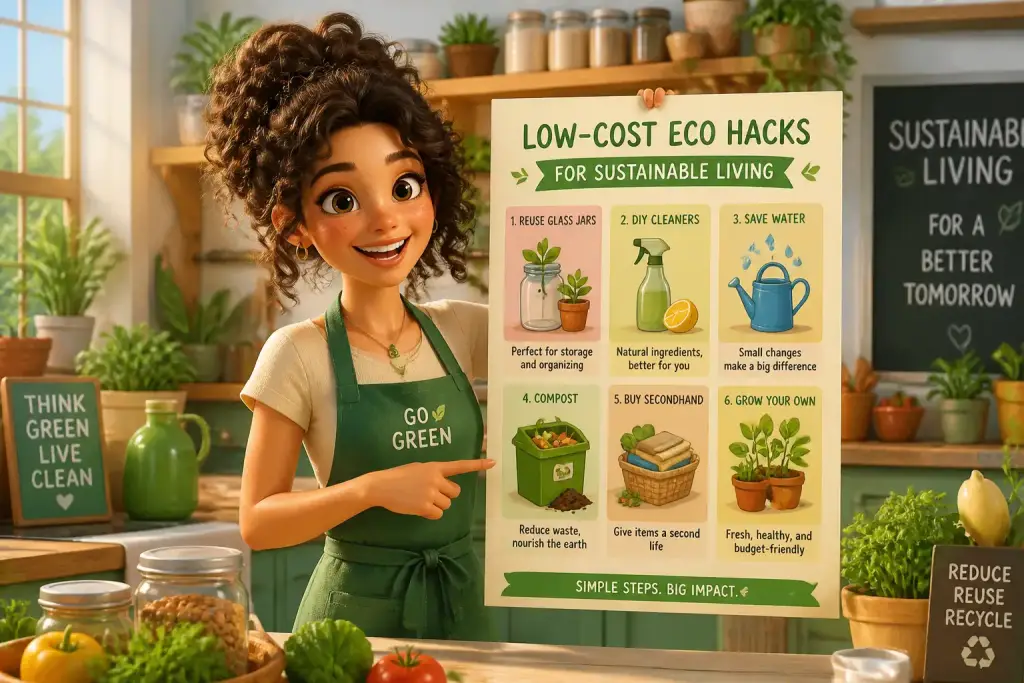
Living sustainably often seems challenging, especially with the common misconception that it requires significant financial investment. However, adopting eco-friendly practices can be both low-cost and straightforward. By implementing a few simple eco hacks, you can contribute to a healthier planet while also saving money. These low-cost eco hacks for sustainable living are practical, easy to follow, and highly effective in reducing your environmental footprint.
- Use reusable bags and containers to cut down on single-use plastics.
- Start a compost bin to reduce food waste and enrich your garden soil.
- Save energy by switching to LED bulbs and using smart power strips.
Table of Contents
Making Sustainable Choices at Home
Transforming your home into a more sustainable space starts with small changes that make a big impact. Focus on reducing energy consumption and waste by selecting eco-friendly products and materials. Simple adjustments, like using energy-efficient appliances, can save you money on utility bills while also benefiting the environment. For instance, consider upgrading to energy-efficient appliances to reduce energy usage over time. These appliances often consume less electricity and water, leading to significant savings and a reduced carbon footprint.
Another impactful choice is to switch to LED light bulbs. LED bulbs use up to 75% less energy than traditional incandescent bulbs and last significantly longer. Although the initial cost may be slightly higher, the long-term savings on energy bills make it a worthwhile investment. Additionally, using smart power strips can help eliminate phantom energy consumption, which occurs when devices are plugged in but not in use. By turning off these devices completely, you can further reduce your energy consumption.
Steps to Choose Energy-Efficient Appliances
- Look for Energy Star labels, indicating the product meets energy efficiency guidelines.
- Compare the energy usage and costs of different models before purchasing.
- Consider the size and capacity you need, as larger models often consume more energy.
- Research reviews and ratings for energy efficiency to make informed choices.
Adopting these simple changes in your home can lead to significant savings over time. Not only will you enjoy lower energy bills, but you will also play a vital role in reducing your household’s overall carbon footprint. Making sustainable choices at home sets the foundation for living a more eco-friendly lifestyle.
Redefining Waste Management
Effective waste management plays a crucial role in sustainable living. One of the most impactful actions you can take is to reduce, reuse, and recycle. Instead of throwing away items, think creatively about how they can be repurposed or reused. For example, glass jars can become storage containers for food or craft supplies. Old t-shirts can be transformed into reusable shopping bags. By finding new uses for items you already own, you can significantly cut down on waste.
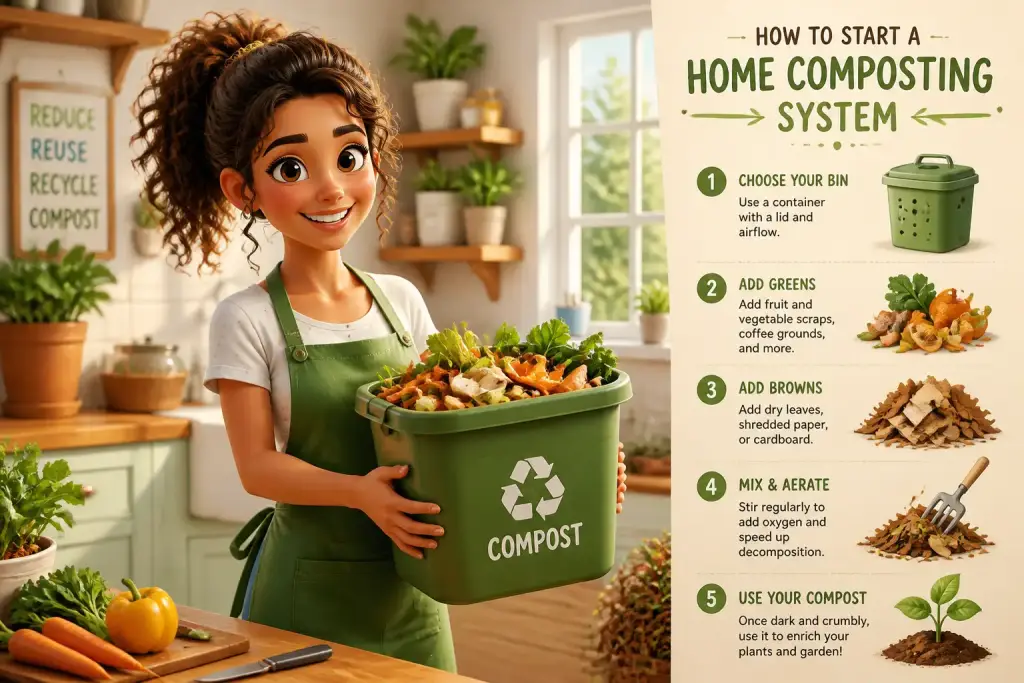
Composting is another excellent way to manage waste sustainably. Rather than tossing food scraps in the trash, composting allows you to create nutrient-rich soil for your garden. This not only reduces landfill waste but also helps you grow healthier plants. Starting a compost bin can be simple; you only need a designated space, some organic materials, and a bit of patience. Make sure to include a mix of greens (like vegetable scraps) and browns (like dried leaves) to maintain a healthy compost balance.
How to Start Composting
- Choose a compost bin or designate a spot in your yard.
- Start with a base of twigs or straw to allow airflow.
- Add kitchen scraps, yard waste, and other organic materials.
- Turn the pile regularly to aerate it and speed up decomposition.
- Monitor moisture levels; the pile should be damp but not soggy.
Composting not only helps manage waste but also enriches your garden soil, promoting healthier plant growth. This practice illustrates how eco hacks can lead to a more sustainable lifestyle while being cost-effective. Implementing these waste management strategies can significantly reduce your ecological footprint and contribute to a cleaner environment.
Choosing Eco-Friendly Products
Everyday products often come with hidden environmental costs. By choosing eco-friendly alternatives, you can make a significant difference without breaking the bank. Many conventional products contain harmful chemicals that can harm both the environment and your health. By switching to natural and biodegradable options, you help reduce pollution and support sustainable manufacturing practices.
Look for products made from recycled materials or those that are biodegradable. For instance, consider using bamboo toothbrushes instead of plastic ones. Bamboo is a renewable resource and degrades naturally, unlike plastic. You can also switch to eco-friendly cleaning products that use natural ingredients instead of harmful chemicals. Many companies now offer affordable eco-friendly alternatives that work just as effectively as their traditional counterparts.
Affordable Eco-Friendly Alternatives
- Use baking soda and vinegar for cleaning instead of chemical cleaners.
- Opt for reusable beeswax wraps instead of plastic wrap for food storage.
- Choose biodegradable trash bags made from plant materials.
- Purchase refillable containers for your beauty and personal care products.
Choosing eco-friendly products is an easy way to reduce your environmental impact. By making informed purchases, you support companies committed to sustainable practices and help create demand for more eco-friendly options in the market. Small changes in your shopping habits can lead to a significant positive impact on the planet.
Saving Water and Energy
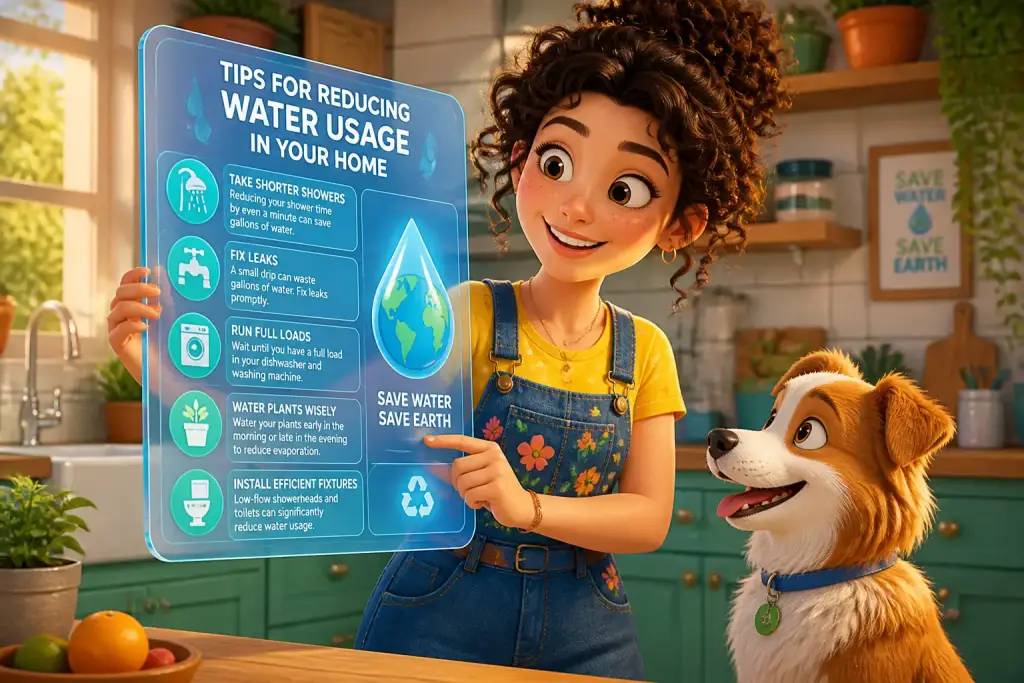
Water and energy conservation are vital components of sustainable living. Simple actions can lead to substantial reductions in consumption, benefiting both the environment and your wallet. Start by fixing leaks around your home, as even small drips can waste a significant amount of water over time. Installing low-flow showerheads and faucets can also reduce water usage without sacrificing comfort.
When it comes to energy use, consider your daily habits. Simple practices like turning off lights when leaving a room or unplugging chargers when not in use can contribute to lower energy consumption. Additionally, using cold water for laundry instead of hot can save energy as well.
Steps to Cut Down on Water Use
- Take shorter showers to reduce water usage.
- Collect rainwater for watering plants and gardens.
- Run dishwashers and washing machines only with full loads.
- Install a dual-flush toilet to save water with each flush.
By implementing these simple strategies, you not only help the environment but also lower your utility bills. Saving water and energy is an essential part of living sustainably, and every small action counts.
Carry a reusable water bottle to minimize plastic waste and stay hydrated throughout your day.
Building a Community of Sustainability
Creating a sustainable lifestyle can be even more rewarding when done within a community. Engaging with others who share your values can amplify your efforts and inspire new ideas. Start by connecting with local groups focused on sustainability. Many communities offer workshops and events that promote environmentally friendly practices, such as community gardens or clean-up days.
Consider sharing resources with neighbors, such as tools or equipment, to reduce consumption and waste. Organizing clothing swaps or potlucks can encourage sustainable practices while fostering community ties. By working together, you can create a more significant impact than working alone.
Ways to Engage Your Community
- Start a neighborhood composting program to reduce waste collectively.
- Organize clean-up events at local parks or beaches.
- Create a community garden to promote local food production.
- Host workshops on sustainable living practices, like DIY natural cleaning products.
Building a community focused on sustainability not only enhances individual efforts but also strengthens the bonds among residents. Through collaboration, you can create a more significant positive impact on the environment and inspire others to join your eco-friendly journey.
Embracing low-cost eco hacks for sustainable living is an achievable goal that benefits both individuals and the planet. By making small changes in daily habits, choosing eco-friendly products, managing waste effectively, and engaging with the community, anyone can contribute to a healthier Earth. These practices are not only affordable but also impactful, making sustainable living accessible to all. Through collective efforts, we can create a brighter, greener future for generations to come.

Virginia De Angelis
Founder & Lead EditorVirginia De Angelis is the founder and lead editor of Eco Zoned in Italy, where she guides readers towards practical innovative eco-tech solutions for everyday life.