








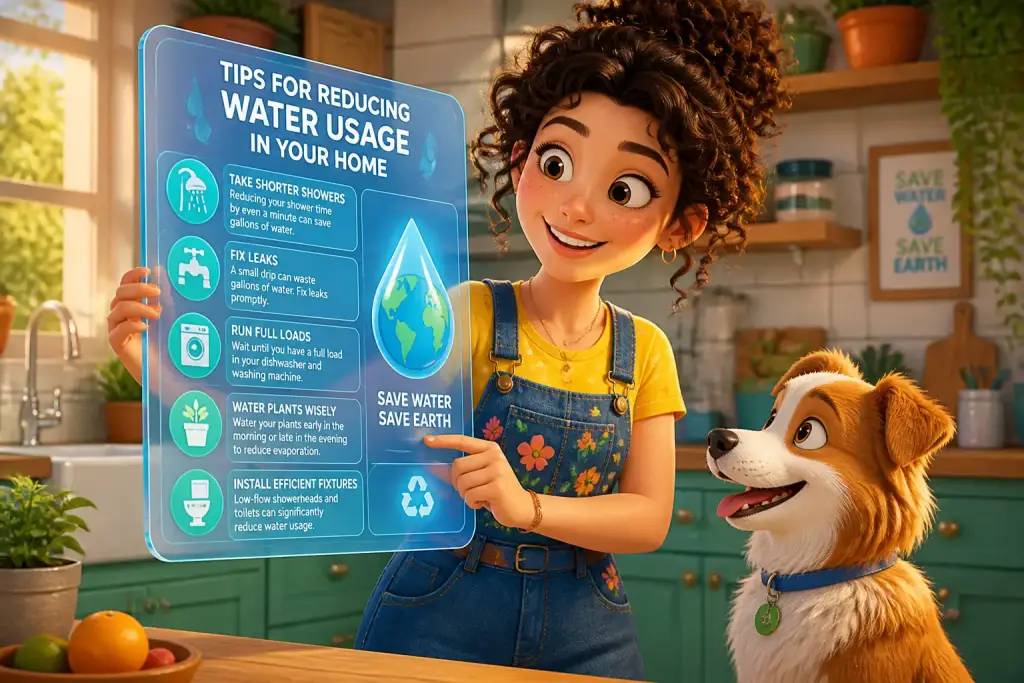
Water is a precious resource, and using it wisely is essential for both environmental sustainability and household budgeting. Today, many homeowners are looking for effective ways to reduce water usage in their homes. By implementing simple strategies and making conscious choices, you can cut down on water waste without sacrificing comfort or convenience. This guide provides practical tips for reducing water usage, helping you save money while contributing to a healthier planet.
- Regularly check for leaks to prevent water waste.
- Install water-efficient fixtures to reduce consumption.
- Change daily habits to minimize water usage.
Table of Contents
Assessing Your Water Usage
Before you can effectively reduce water usage, it is important to understand how much water your household consumes. Start by checking your water bill for monthly usage statistics. Understanding your consumption patterns can help identify areas where you can make improvements. For example, if your bill is significantly higher than average for your household size, it may be time to take action.
Next, conduct an audit of your home’s water fixtures and appliances. Look for older toilets, faucets, and showerheads that may use more water than necessary. Many older models can use up to 3.5 gallons per flush, whereas newer, water-efficient models often use only 1.6 gallons or less. If you notice any leaks in your plumbing, such as dripping faucets or running toilets, address these issues promptly. A small leak can waste several gallons of water a day, leading to higher bills and unnecessary waste.
Water Usage Audit Steps
- Gather your water bills for the past few months.
- Calculate your family’s average water usage per person.
- Inspect all water fixtures for leaks and inefficiencies.
- Identify any areas where water consumption is higher than average.
After completing your audit, you will have a clearer picture of your water usage. This information will guide you in making informed decisions about where to focus your efforts on reducing consumption.
Upgrading Fixtures and Appliances
One of the most effective ways to reduce water usage is by upgrading to water-efficient fixtures and appliances. Many modern devices are designed to use less water without sacrificing performance. For instance, low-flow showerheads can reduce water usage by up to 50 percent while still providing a satisfying shower experience. Similarly, dual-flush toilets allow users to select a lower flush option for liquid waste, further conserving water.
Another significant upgrade is in washing machines and dishwashers. High-efficiency models use less water and energy, making them an excellent investment. Look for appliances with the ENERGY STAR label, which indicates that they meet strict efficiency guidelines set by the U.S. Environmental Protection Agency. Over time, the savings on your water bill can offset the initial costs of these appliances.
Benefits of Upgrading
- Lower water bills, saving you money each month.
- Reduced environmental impact by conserving water resources.
- Improved performance and convenience with modern features.
Investing in water-efficient fixtures and appliances is a smart choice. Not only do they help reduce water usage, but they can also enhance your home’s value and sustainability.
Modifying Daily Habits
Changing daily habits is a powerful way to reduce water usage in your home. Simple adjustments in how you approach everyday tasks can lead to significant savings. For instance, take shorter showers to minimize water use. Aim for five to ten minutes instead of the typical fifteen-minute shower.
When brushing your teeth, turn off the tap while you are brushing. Running the water continuously can waste several gallons. Instead, fill a cup for rinsing or use a wet toothbrush. Similarly, when washing dishes by hand, fill one side of the sink with soapy water and the other side with clean water for rinsing rather than letting the water run.
Daily Habits to Change
- Limit shower time to five minutes.
- Turn off the tap while brushing teeth.
- Use a basin for washing dishes instead of running water.
- Only run the dishwasher and washing machine with full loads.
By being mindful of your daily routines, you can effectively lower your water consumption without feeling deprived. These small changes can collectively have a large impact over time.
Water-Saving Outdoor Practices
Outdoor water usage can account for a significant portion of total household consumption. Therefore, implementing water-saving practices in your yard and garden is essential. Start by observing your landscape and considering drought-resistant plants. Native plants often require less water and maintenance, making them a smart choice for any garden.
Another effective strategy is to adjust your irrigation habits. Water your lawn early in the morning or late in the evening to reduce evaporation. Install a drip irrigation system for your garden, which delivers water directly to the roots of plants, minimizing waste.
Outdoor Water-Saving Tips
- Choose drought-tolerant plants for landscaping.
- Water your garden during cooler hours to reduce evaporation.
- Use mulch around plants to retain moisture.
- Collect rainwater in barrels to use for watering plants.
Adopting these outdoor practices not only conserves water but also promotes a healthier garden and landscape. By choosing plants that thrive in your local climate, you can reduce the need for additional watering.
Review your water bill monthly to identify unusual spikes, which may indicate leaks or excessive usage in your household.
Implementing Smart Technology
Modern technology offers innovative solutions for water conservation. Smart home devices can help monitor and manage your water usage more efficiently. Consider installing smart irrigation systems that adjust watering schedules based on weather conditions. These systems can save significant amounts of water by preventing overwatering during rainy days.
Smart water meters are another useful tool. They provide real-time data on your water usage, allowing you to track consumption and identify any unusual spikes that may indicate leaks. Many of these devices can connect to your smartphone, giving you access to valuable insights about your water habits.
Smart Technology Tools
- Smart irrigation systems that automate watering schedules.
- Smart water meters that track usage and detect leaks.
- Apps that remind you to save water and track progress.
Utilizing smart technology can make it easier to manage your water consumption. By staying informed about your usage, you can make proactive decisions that lead to conservation.
Educating Your Family and Community
Encouraging water conservation in your home starts with education. Engage your family in discussions about the importance of saving water and involve them in the process. Explain how small changes in habits can contribute to a larger goal of sustainability. Create a fun challenge to see who can save the most water over a month.
Extending this education to your community can amplify the impact. Organize neighborhood events focused on water conservation, such as workshops or clean-up days. Share tips with friends and family through social media or community boards, fostering a collective effort to reduce water usage.
Community Engagement Ideas
- Host a water conservation workshop for neighbors.
- Create a challenge among families to reduce water usage.
- Share water-saving tips on local social media groups.
- Start a community garden with drought-resistant plants.
By educating others and promoting water-saving practices, you can contribute to a broader movement towards sustainable water usage. This collective action can create lasting change within your community.
Building Consistency With Building a Sustainable Future
Reducing water usage in your home is not just about saving money; it is also about conserving a vital resource for future generations. By assessing your current water usage, upgrading fixtures and appliances, modifying daily habits, adopting outdoor practices, leveraging smart technology, and educating your family and community, you can make a significant impact.
Every small change contributes to a larger goal of sustainability and environmental responsibility. Start today by implementing these tips and watch as your efforts lead to noticeable savings and a healthier planet. As you continue to learn and adapt, you will inspire others to join in this vital journey towards responsible water usage.

Virginia De Angelis
Founder & Lead EditorVirginia De Angelis is the founder and lead editor of Eco Zoned in Italy, where she guides readers towards practical innovative eco-tech solutions for everyday life.