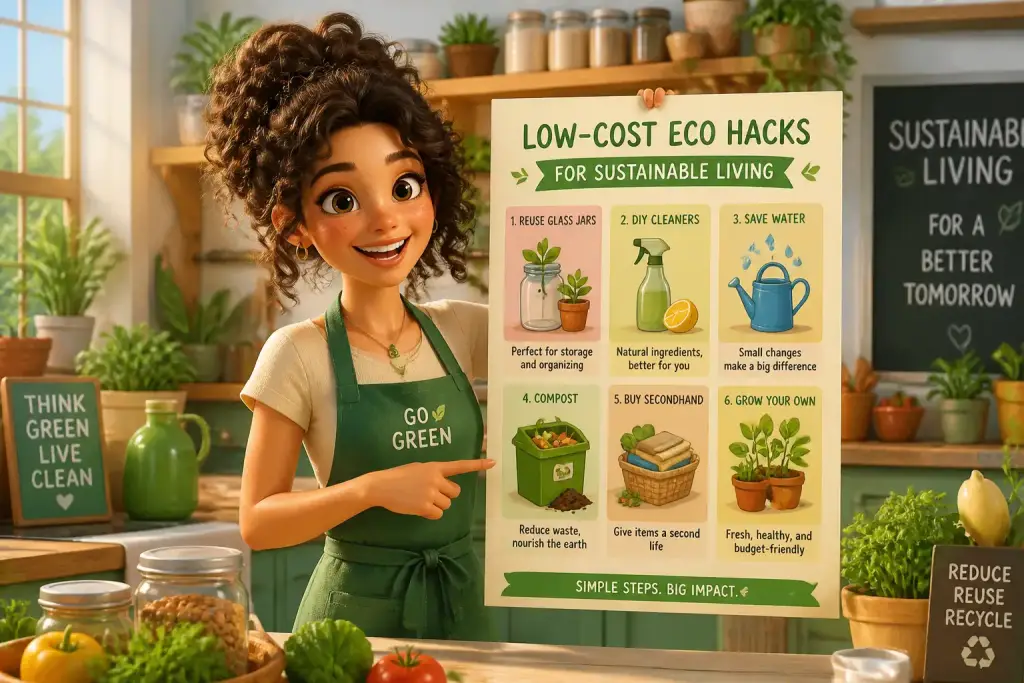









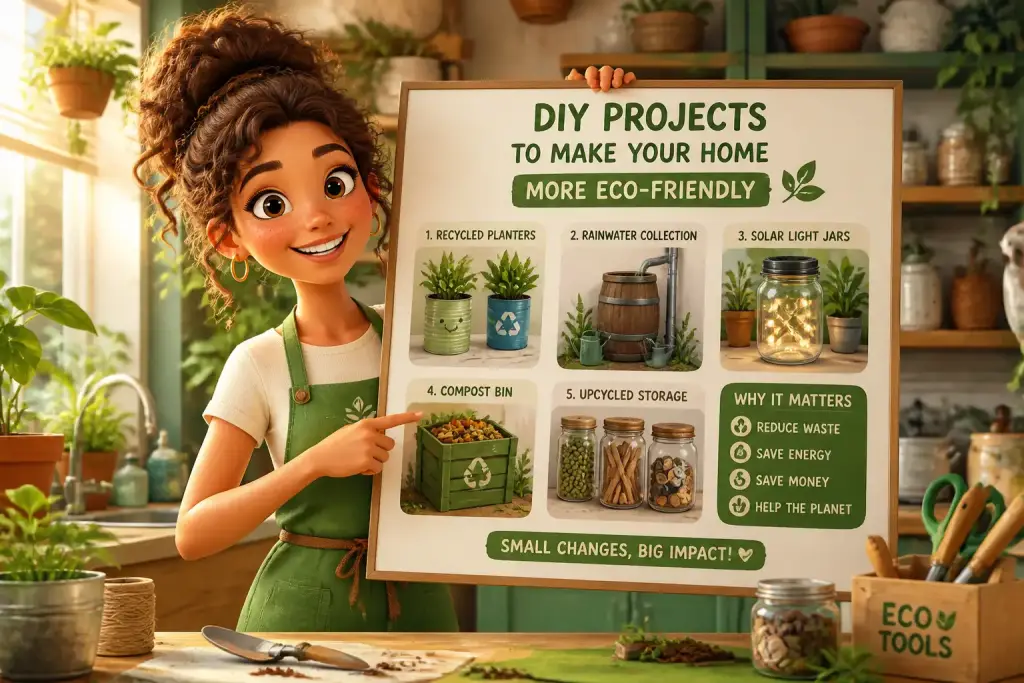
Creating an eco-friendly home is a rewarding journey that benefits both the environment and your family. Simple DIY projects can help you reduce your carbon footprint and save money on utility bills. From energy-efficient upgrades to sustainable gardening practices, there are countless opportunities to enhance your living space. This article explores various DIY projects that can transform your home into a greener, more sustainable haven.
- Implementing energy-efficient lighting can significantly reduce energy bills.
- Creating a compost system helps reduce kitchen waste and enriches soil.
- Upcycling old furniture reduces waste while adding unique charm to your home.
Table of Contents
Transform Your Lighting for Energy Efficiency
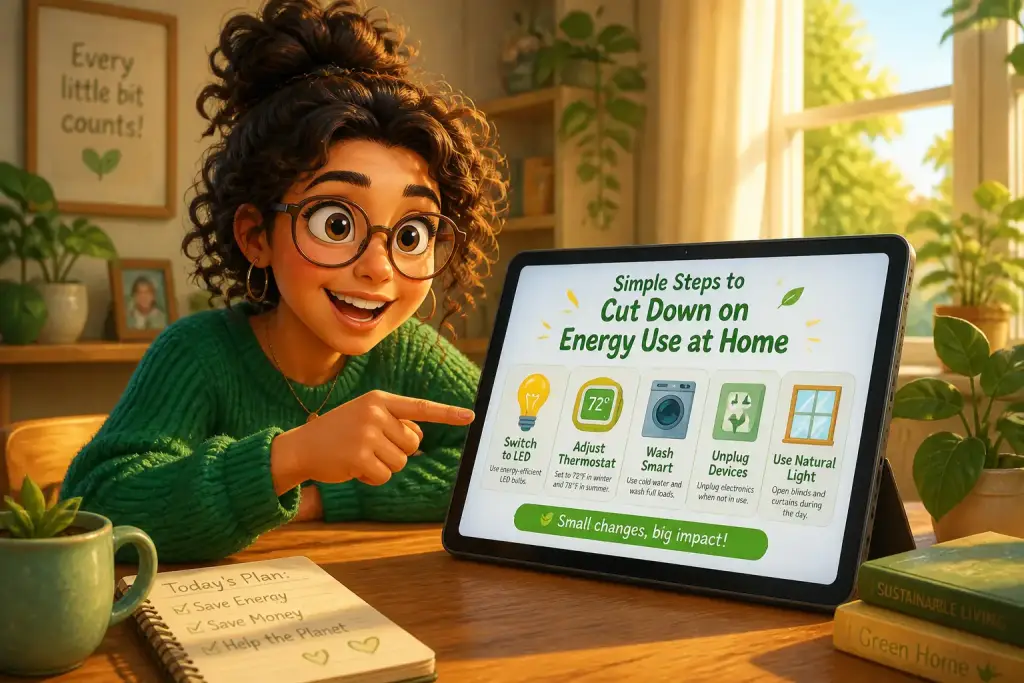
Switching to energy-efficient lighting is one of the simplest ways to make your home more eco-friendly. Traditional incandescent bulbs consume a lot of energy and have a short lifespan. In contrast, LED bulbs use significantly less energy, last longer, and can create a cozy atmosphere. By replacing all the bulbs in your home with LED lights, you can reduce your energy consumption dramatically.
Consider incorporating smart lighting into your home. Smart bulbs can be controlled via smartphone apps, allowing you to adjust brightness and schedule lighting based on your needs. This not only saves energy but also adds convenience to your daily life. For instance, you can set your lights to turn off automatically when you leave the house.
Steps to Upgrade Your Lighting
- Identify all the light fixtures in your home.
- Calculate how many LED bulbs you will need based on the number of fixtures.
- Purchase LED bulbs that fit your fixtures and desired brightness.
- Replace the old bulbs with new LED ones, ensuring they are installed correctly.
- If using smart bulbs, download the necessary app and follow setup instructions.
Investing in energy-efficient lighting not only lowers energy bills but also reduces the demand for electricity from non-renewable sources. By making this switch, you contribute to a healthier planet while enhancing your home’s ambiance.
Create a Compost System for Waste Reduction
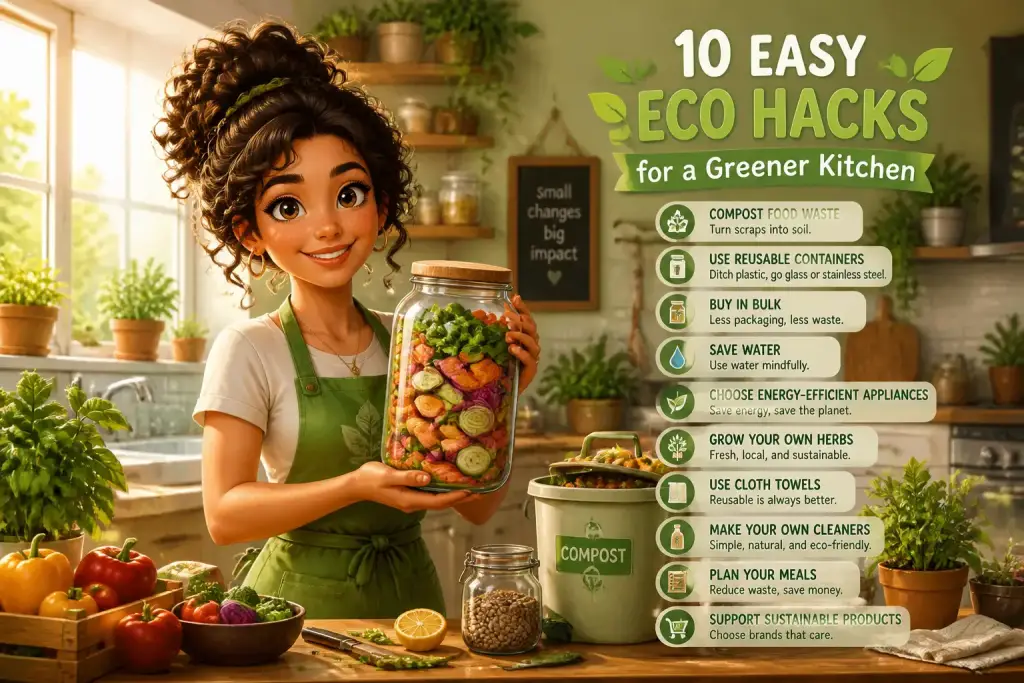
Composting is an excellent way to reduce kitchen waste and improve your garden’s soil quality. By composting food scraps, yard waste, and other organic materials, you can divert a significant amount of trash from landfills. This process not only helps decrease greenhouse gas emissions but also enriches the soil, promoting healthier plants.
Setting up a compost system in your backyard or even indoors can be simple. All you need is a designated bin or pile for organic materials. Start with a mix of green materials like fruit and vegetable scraps, and brown materials like dried leaves and cardboard. The balance is important; too much of one type can slow down the composting process.
How to Start Composting
- Choose a composting bin or create a pile in a corner of your yard.
- Gather organic materials, aim for a mix of greens and browns.
- Moisten the pile with water to help decomposition.
- Turn the compost regularly to aerate it and speed up the process.
- After a few months, you will have nutrient-rich compost to use in your garden.
This eco-friendly project not only helps the environment but also provides you with free fertilizer for your plants, showcasing a win-win situation for your gardening efforts.
Upcycle Old Furniture for a Unique Touch
Instead of discarding old furniture, consider upcycling it to create unique pieces for your home. Upcycling involves repurposing items to give them new life and function. This practice reduces waste while allowing you to express your creativity. You can turn an old dresser into a stylish TV stand or transform wooden pallets into a cozy outdoor seating area.
Before starting your upcycling project, assess the condition of the furniture. Look for sturdy pieces that can be easily refinished or painted. A little sandpaper, paint, or stain can go a long way in refreshing an old item. Additionally, you can add new hardware for an updated look.
Upcycling Ideas to Consider
- Refinish an old table with chalk paint for a trendy look.
- Convert a wooden ladder into a bookshelf for a rustic touch.
- Turn an unused door into a decorative headboard for your bedroom.
- Use wine crates as storage bins or shelving units.
Upcycling not only gives your home a personal touch but also helps reduce the demand for new furniture, which often requires resources that harm the environment. Plus, your unique creations can become conversation starters among friends and family.
Implement Water-Saving Techniques
Water conservation is another vital component of creating an eco-friendly home. Simple DIY projects can help you reduce water waste while maintaining a lush garden and a comfortable living environment. Consider installing low-flow showerheads and faucets, which can cut your water usage significantly without sacrificing performance.
In the garden, implementing rain barrels can capture rainwater for watering plants. This sustainable method not only conserves potable water but also provides your plants with natural hydration. Additionally, consider using drip irrigation systems that deliver water directly to the plant roots, minimizing evaporation and runoff.
Steps for Rain Barrel Installation
- Select a location near a downspout for your rain barrel.
- Purchase or build a rain barrel that is at least 50 gallons.
- Attach a diverter to your downspout to channel rainwater into the barrel.
- Cover the barrel with a lid to prevent mosquitoes and debris from entering.
- Use the collected rainwater for garden irrigation as needed.
By implementing these water-saving techniques, you not only reduce utility bills but also contribute to sustainable water management practices, which are essential in today’s changing climate.
Focus on projects that not only beautify your home but also contribute to energy savings and waste reduction.
Enhance Indoor Air Quality with Plants
Indoor plants do more than beautify your home; they also improve air quality by filtering pollutants and releasing oxygen. Incorporating plants into your living space is an excellent DIY project that offers numerous health benefits. Some popular houseplants known for their air-purifying qualities include snake plants, peace lilies, and spider plants. These plants are not only easy to care for but also add a fresh touch to any room.
To get started, choose plants that thrive in your home’s lighting conditions. Consider placing them in various rooms to enhance aesthetics and air quality throughout your living space. Regularly caring for your plants can also be a rewarding hobby that connects you to nature.
Best Air-Purifying Plants to Consider
- Snake Plant: Tolerates low light and requires minimal watering.
- Peace Lily: Thrives in shade and blooms beautiful white flowers.
- Spider Plant: Easy to propagate and grows well in indirect sunlight.
- Boston Fern: Prefers humidity and helps eliminate formaldehyde.
Adding plants to your home not only enhances your decor but also promotes a healthier living environment. With the right care, these plants can flourish and contribute to your well-being.
Implementing these eco-friendly DIY projects in your home can lead to significant energy savings and a healthier living space. Each small change contributes to a larger movement toward sustainability and environmental consciousness. As you embark on these projects, remember that every effort counts in building a greener future for everyone.

Virginia De Angelis
Founder & Lead EditorVirginia De Angelis is the founder and lead editor of Eco Zoned in Italy, where she guides readers towards practical innovative eco-tech solutions for everyday life.