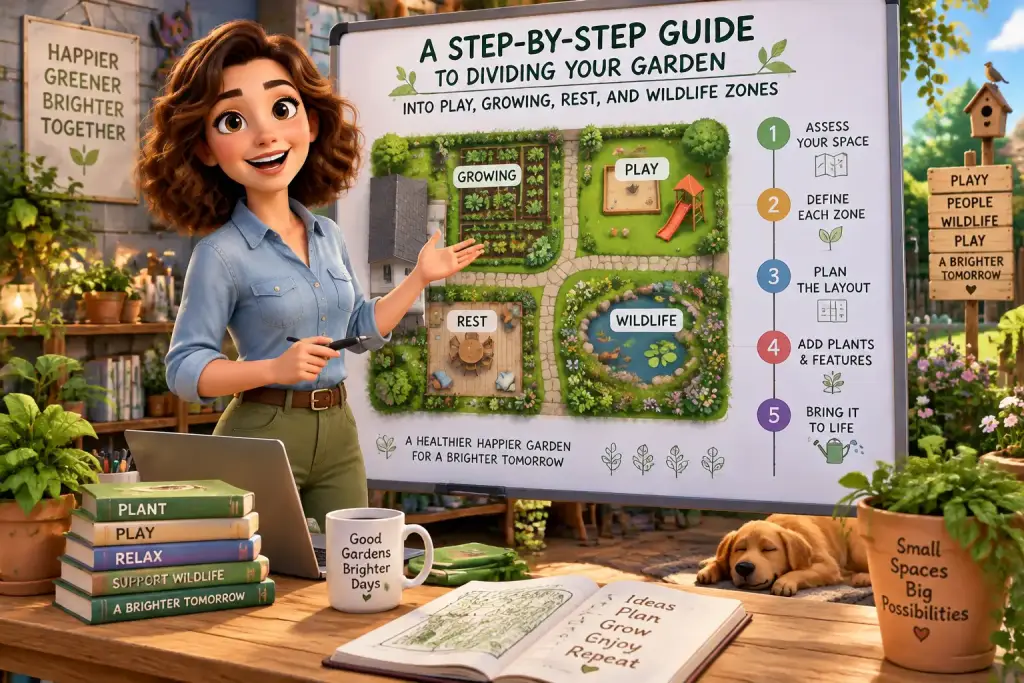









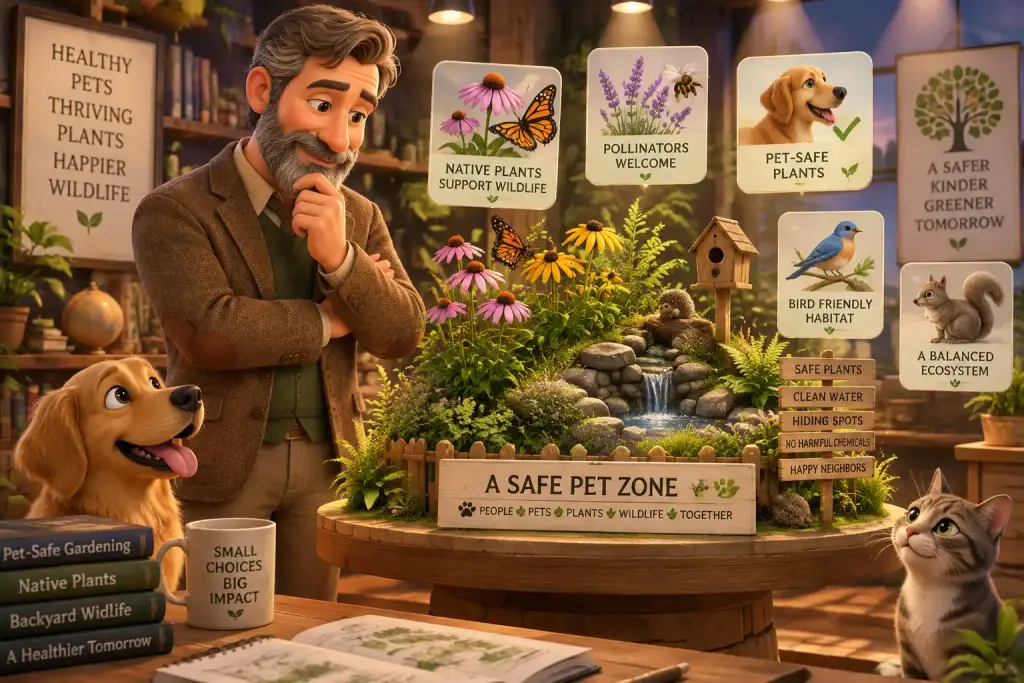
A safe Pet Zone works best when it gives pets a clear place to rest, play, dig, and toilet without turning the whole yard into a worn path. Good zoning also protects plant beds, young trees, nesting birds, pollinators, and small animals that share the space. The goal is not to make a pet area feel strict. It is to set simple limits that work every day, even when life gets busy.
- Place active pet areas away from bird nests, ponds, vegetable beds, and young plants.
- Use clear edges, safe paths, and shade so pets stay in their own space more often.
- Check waste, loose fence gaps, water bowls, and damaged plants during a five-minute daily walk.
Table of Contents
Map the yard before building a Pet Zone
Start by marking where pets already walk, run, dig, and rest, then keep those habits away from sensitive plants and wildlife areas. A simple yard map helps you place the Pet Zone where it causes the least damage and needs the fewest repairs.
Walk around the space at three times of day: early morning, midday, and evening. Look for shade, wet soil, strong sun, fence gaps, and quiet corners. Mark where birds feed, where frogs may hide after rain, and where bees visit flowers. Also mark food gardens, new shrubs, compost bins, ponds, and areas with loose mulch.
A pet area should be close enough to the home for easy checks. For most small yards, a spot within 10 to 20 steps from the main door is easier to use than a far corner. Dogs often choose the shortest route outside. If that route crosses a flower bed, they will keep using it unless you give them a better path.
List the daily pet needs
Write down what your pet needs outside during a normal day. A calm older dog may need a shaded resting place and a toilet spot. A young dog may need a clear running line, a digging box, and a water bowl. Cats may need a safe enclosed area with climbing places and cover.
- Resting area with shade and dry ground
- Water bowl placed away from wildlife feeding spots
- Toilet area that is easy to clean
- Play space with a clear running route
- Secure gate and fence checks
- Small digging area if the pet digs often
Keep the first plan simple. You can add more later, but moving a fence, path, or raised bed after building takes more time and money. Instead of guessing, use chalk, string, plant pots, or garden chairs to test the shape for two or three days. Watch how your pet responds before buying materials.
When we tested this setup in a compact yard, the most useful change was not a new fence. It was moving the water bowl away from a vegetable bed and placing it beside the main path. The dog stopped cutting through the bed because the new route was easier.
How should a pet area protect wildlife?
A pet area protects wildlife when it keeps pets away from nests, ponds, feeding places, and thick cover where small animals hide. Use fences, sight blocks, and clear pet paths to separate active pet use from quiet wildlife space.
Wildlife needs calm places. Birds may nest in dense shrubs, while hedgehogs, frogs, lizards, and helpful insects often use leaf piles, ground cover, stones, and damp edges. Pets do not need to harm these animals to cause trouble. Repeated barking, chasing, sniffing, or digging can make wildlife leave the area.
Set aside one part of the yard as a low traffic area. This can be a back border, a shrub line, or a corner behind a screen. Keep pet toys, food bowls, and busy paths out of this space. A solid fence is useful, but even a low woven barrier with dense plants can guide pets away from a wildlife patch.
Protect the highest risk spots
Focus first on places where pets and wildlife may meet. Water is one of the biggest risk areas. A shallow pond can attract birds and frogs, while a deep bowl can hold dirty water. Put pet water in the active zone and refresh it daily. Keep ponds behind a barrier or use a sturdy cover edge that helps small animals climb out.
Food also changes animal behavior. Do not leave pet food outside, especially overnight. It can attract rats, raccoons, foxes, and other animals that may become used to human spaces. Pick up bowls after meals and keep food in sealed containers indoors.
- Move bird feeders away from pet play areas.
- Keep pets on a lead near nesting shrubs in spring.
- Use a gate between the Pet Zone and pond areas.
- Leave leaf piles and brush piles outside pet reach.
- Check under decks, sheds, and thick shrubs before yard work.
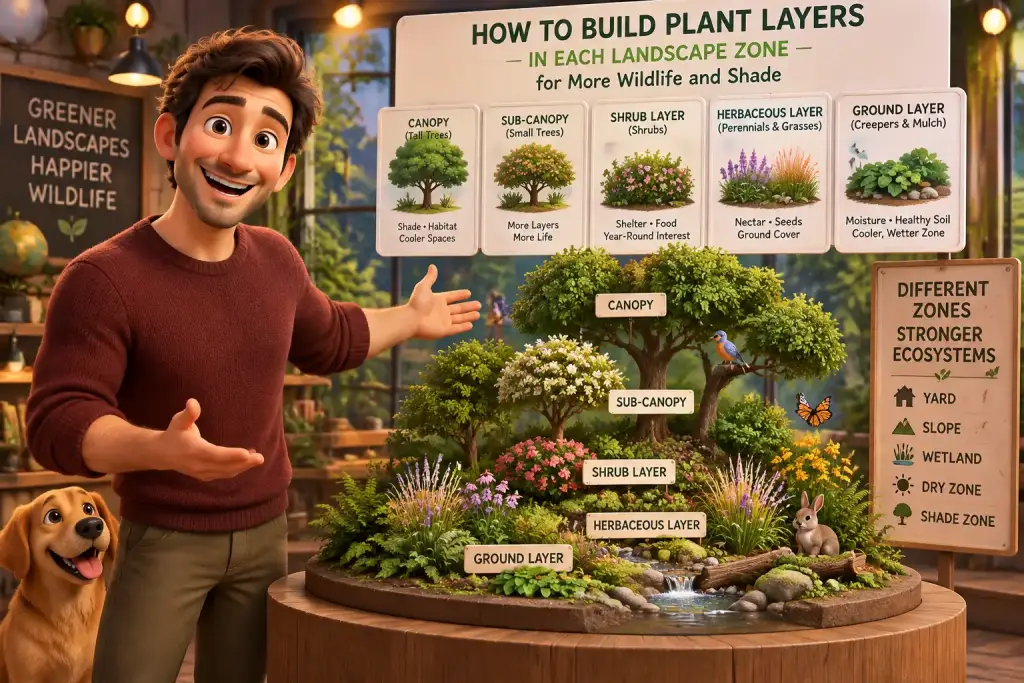
Here is why that matters: wildlife often returns when it has a quiet route through the yard. A narrow strip of plants along a fence can give birds and insects cover without inviting pets into the space. For ideas on arranging trees, shrubs, and lower plants, see this guide to plant layers by zone.
On the flip side, do not build a wildlife corner right beside the dog run. Even a good habitat patch will not work well if pets pass it ten times a day. Put distance and a visual block between active pet space and quiet cover whenever possible.
Build clear edges and safe daily routes
Use clear edges to show pets where to walk, play, and stop, while keeping garden beds and wildlife cover outside the active area. A path, low fence, gate, or dense planting strip is usually more effective than repeated verbal commands.
Dogs and cats follow habit. If the door opens toward open soil, they may run straight across it. Build the route you want them to use. A path can be made from pavers, compacted gravel, bark-free wood chips, or firm grass, depending on your climate and pet size. Make it wide enough for easy passing, usually 60 to 90 centimetres for a medium dog.
A physical edge should match the pet. A small dog may be held by a 90 centimetre fence. A larger dog that jumps may need a taller fence with a secure top. Cats need a fully enclosed outdoor run or a roofed structure if they spend time outside unsupervised. Check the bottom edge too. Digging under a fence is common, especially near gates.
Create a simple zone layout
Divide the Pet Zone into small jobs instead of leaving one large open patch. This limits mud, worn grass, and plant damage. Place the toilet area downwind where possible, but keep it easy to reach. Put play space where you can see it from a window. Give resting space shade during the hottest part of the day.
A useful basic layout has four parts:
- A firm entry path from the door
- A shaded resting spot with water
- A toilet and waste pickup point
- A play or digging area away from plants
Use gates as decision points. A gate between the patio and garden beds gives you a quick way to control access during busy times, such as when seedlings are growing or birds are nesting. Choose a gate with a latch that closes by itself if children or visitors use the yard.
Plant borders can help, but they should not be the only barrier. Young plants bend, break, and take time to fill in. Put a low fence or wire guard inside a new border for the first growing season. Avoid thorny plants where pets may brush against them. Also avoid plants that are known to be harmful if chewed.
If your space is tight, this small yard zoning guide can help you give each corner one clear job. A small Pet Zone can work very well when the route, gate, and resting spot are planned before planting.
Choose surfaces that stay safe in wet weather
Choose surfaces that drain well, stay cool enough for paws, and can handle daily use without turning into mud. Mix two or three surfaces, such as pavers, grass, and gravel, instead of relying on one material everywhere.
Grass feels good under paws, but heavy play can wear it out fast. A grass patch is best for calm use, not for a high speed dog run. Gravel drains well but can be hard on paws if the stones are sharp or too large. Smooth pea gravel may work in a toilet area, while larger stones are better kept outside pet spaces.
Wood chips can look natural, yet loose chips may be carried into the home or chewed by some pets. Cocoa mulch is not a safe choice for dogs because it can be harmful if eaten. Rubber surfaces may look easy to clean, but they can get very hot in full sun. Test any surface with your hand on a warm day before letting pets use it.
| Zone need | Useful surface or tool | Check or fix |
|---|---|---|
| Main pet path | Non-slip pavers or firm gravel | Fill low spots where water gathers |
| Toilet corner | Pea gravel and waste scoop | Remove waste every day |
| Resting space | Shade cloth, mat, and water bowl | Check paw heat at midday |
| Plant border | Low fence and plant guard | Repair gaps before roots are exposed |
| Wildlife edge | Dense native plants and a screen | Keep toys and bowls out of the area |
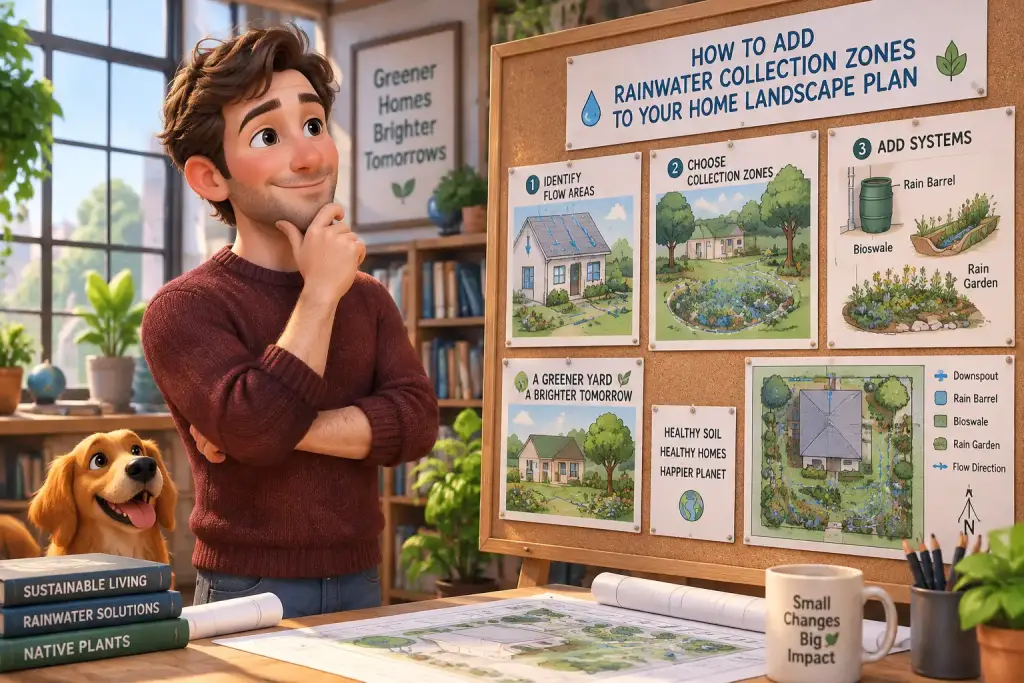
Drainage deserves careful attention. Water that sits in a pet area creates slippery ground, smells, mosquitoes, and damaged roots nearby. Slope the surface gently away from the home and away from vegetable beds. A small shallow channel filled with rounded stones can move water toward a rain garden or planted edge.
As a rule of thumb, keep high traffic surfaces firm and easy to clean, then use softer surfaces where pets rest. In everyday use, this step takes about five minutes: check the water bowl, pick up waste, and look for wet patches. Small checks stop bigger repairs later.
How do you protect plants from pets?
Protect plants by placing strong barriers around new beds, giving pets a better route, and choosing sturdy plants for exposed edges. Plants survive pet use best when roots are covered, beds are raised, and pets have their own places to sniff and dig.
New plants need the most help. Their roots are small, stems break easily, and fresh soil invites digging. Use raised beds that stand at least 30 to 45 centimetres high for vegetables and delicate flowers. Add a simple mesh guard around young shrubs for the first year. A circle of stones can protect the soil around a tree, but keep stones a short distance from the trunk.
Make digging less tempting
Dogs often dig because the soil is cool, soft, or full of interesting smells. Do not expect a dog to ignore a freshly watered bed without help. Give frequent diggers a chosen digging place, such as a shallow sand box or loose soil patch, placed inside the Pet Zone. Hide a toy there occasionally and praise the pet for using it.
Keep mulch in place with edging. Loose mulch can spread across paths, cover grass, and tempt chewing. Use chunky untreated wood chips only where pets do not eat them. For planted beds, leaf mold, compost, and well-held mulch can protect soil while keeping the surface less inviting for paws.
Plant choice matters at the edge of a pet area. Use tough ground cover, strong grasses, and shrubs that can handle some movement. Put delicate herbs, seedlings, and prized flowers farther back. Avoid using unknown plants near pets. Check each plant before adding it, because some common garden plants can cause harm if eaten.
Roots need air as well as water. Do not let pets repeatedly run over the base of trees or shrubs. Compacted soil makes it harder for roots to grow. Use a ring of low fencing, a wide mulch circle, or a planted border to keep paws off the root zone. For more ideas, this guide on wildlife and shade layers shows how grouped plants can protect soil and create cover.
The takeaway here: plants do not need perfect protection everywhere. They need the right protection where pets use the yard most. Put your effort into the door route, play route, digging spots, and newly planted beds first.
As a rule of thumb, build one clear path from the door to the pet area first. Pets often follow the easiest daily route, so this simple step can protect nearby beds.
Fix the slip-ups that cause most damage
Most Pet Zone problems come from unclear routes, weak edges, poor drainage, or too little daily cleanup. Fix the cause instead of only repairing the damaged spot, or the same issue will return within days.
Brown grass patches often come from repeated toilet use in one small place. Move the toilet spot slightly every few weeks if space allows, or use a gravel toilet corner that drains well. Rinse the area lightly after use when practical, but do not flood the soil. Pick up solid waste daily to protect soil, reduce smells, and lower the chance of disease spread.
Mud usually means water has no clear exit or too much traffic crosses the same patch. Add stepping stones, improve the slope, or cover the route with a firm surface. Do not keep adding loose mulch to a muddy path. It may look better for a day, but it often breaks down and turns messy again.
Match each problem to a simple fix
Pets that bark at wildlife may need a sight block, not more open space. Place a solid screen, tall planter, or dense shrub line along the side where wildlife appears. Keep bird feeders and nest boxes out of direct view from the Pet Zone where possible.
Pets that escape may be finding one weak point. Walk the fence line at pet height. Look for loose boards, wide gaps, soft soil, low branches, and items placed beside the fence that can become a step. Check gates after storms and after delivery work, when they may not close fully.
- Damaged seedlings: add a guard and move the pet route.
- Digging by the fence: bury a wire apron or add paving at the base.
- Dirty water bowl: place it on a firm pad and wash it daily.
- Wildlife chasing: add a screen and use lead time near quiet areas.
- Worn grass: create a path before reseeding the damaged patch.
Do not punish a pet for using the only easy route available. Change the layout first. A clear path, a gate, and a better activity area usually work faster than repeated correction. Pets respond well when the good choice is simple and the wrong choice is blocked.
Check the Pet Zone during normal daily use
Check the Pet Zone in short daily and weekly rounds to make sure pets stay safe, plants recover, and wildlife areas remain calm. A five-minute daily check catches loose fencing, standing water, waste, and plant damage before each problem grows.
Start each morning by looking at the gate, water bowl, fence base, and main path. Check that there are no sharp objects, fallen branches, broken pots, or chewed materials. In warm weather, touch the ground with your hand. If it feels too hot to hold for several seconds, it may be too hot for paws.
Once a week, walk the full border between the Pet Zone and planted areas. Look for trampled soil, broken stems, new digging holes, and signs that pets are pushing through an edge. Check wildlife spots from a distance. You may see feathers, tracks, droppings, or plant movement that suggests birds and small animals still use the quiet area.
Use a simple weekly score
Give the zone a score from one to five in four areas: pet safety, plant condition, wildlife calm, and cleaning effort. A score of five means the area works with little trouble. A score of one means you need to make a change soon. This is an easy way to notice patterns that are hard to see day by day.
For example, a path may score well for pet safety but poorly for plant condition because the edge is too close to a bed. Move the edge back by 20 centimetres, add a low barrier, and check again next week. Small changes are easier to test than a full rebuild.
Keep a short note on your phone or a paper chart near the door. Record rain, plant damage, wildlife visits, and escape attempts. After one month, the pattern is often clear. You may find that mud appears only after heavy rain, or that birds avoid one area during the busiest play time.
A safe pet space is not finished on the day you build it. It improves through small checks, clear habits, and simple repairs. Give pets a place that meets their needs, protect the areas that need quiet, and the whole yard can work better for plants, wildlife, and daily family life.

Matteo Mariani
Founder & Lead Landscape EditorBorn and based in Italy, Matteo Mariani is the founder and lead editor of Eco Zoned. He helps readers make thoughtful outdoor planning choices with practical advice on lower-impact gardens, functional spaces, and landscape zones for everyday homes.