






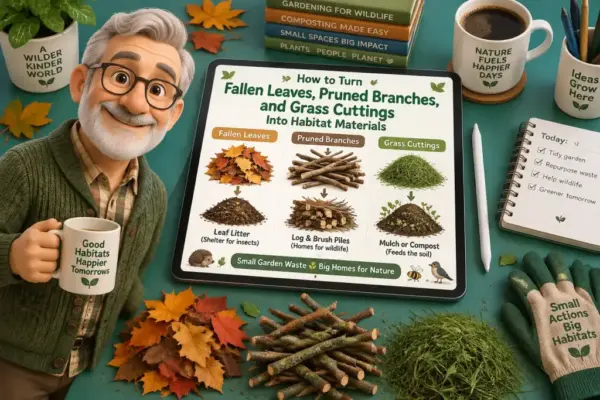
How to Turn Fallen Leaves, Pruned Branches, and Grass Cuttings Into Habitat Materials
Sort dry leaves, clean branches, and untreated grass first. This simple step creates safer shelter areas for small wildlife in your backyard.

Sort dry leaves, clean branches, and untreated grass first. This simple step creates safer shelter areas for small wildlife in your backyard.
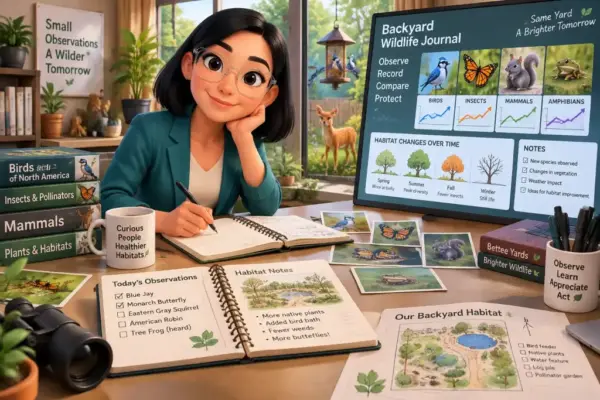
A short daily record turns quick wildlife sightings into useful habitat facts. Track patterns, spot changes early, and make better garden choices with little extra work.
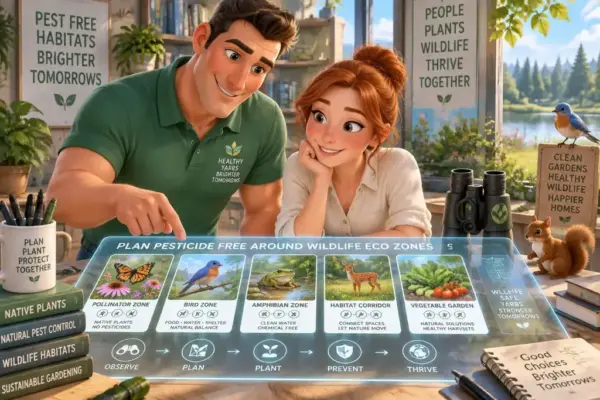
Map your habitat edges, add mulch, and inspect leaves each week to stop weeds and pests without putting birds, bees, or soil at risk.
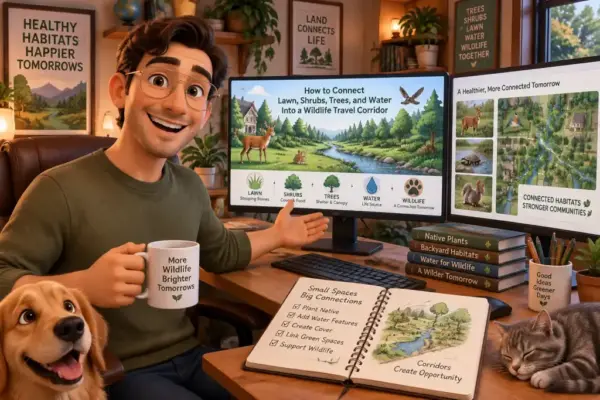
Link your lawn edge to shrubs, trees, and water with safe cover that helps wildlife move, rest, feed, and hide each day.
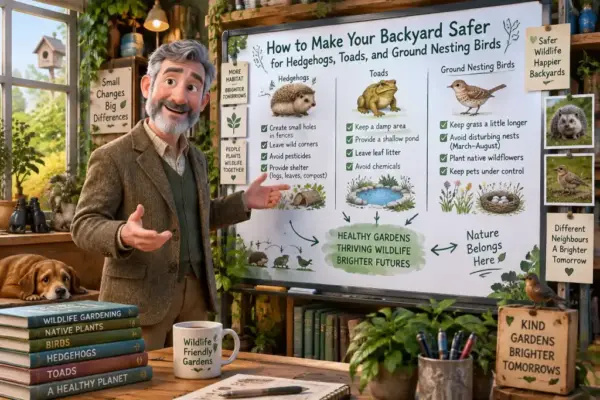
Start by walking your yard at ground level and remove trapping risks. This simple check gives small wildlife safer paths through your garden.
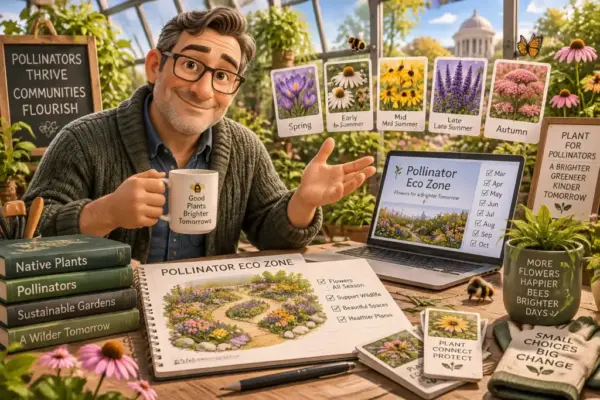
A simple flower plan gives bees food each month, while five minute checks keep your backyard habitat active with very little extra work.
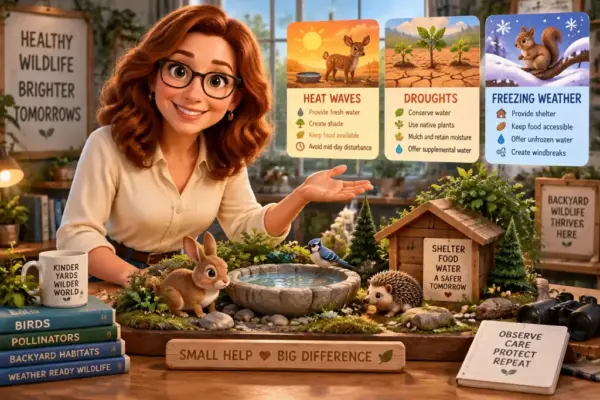
Small habitat changes give backyard animals safer places to drink, rest, and hide during harsh weather. Use simple checks that take only minutes each day.
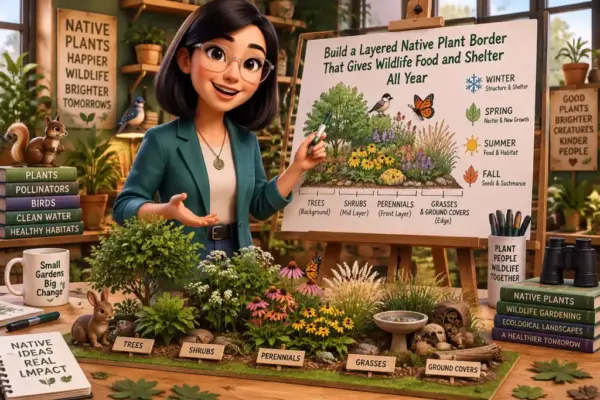
A layered planting routine turns one garden edge into steady food and cover for wildlife, with small weekly checks and little extra work.

A simple cleaning routine keeps water and seed areas safer for birds. Small weekly jobs bring better daily wildlife visits with little extra work.

Five calm minutes of pond checks each day can protect visiting wildlife. Small slope, plant, and water level changes make a pond safer.