








Good backyard bird food does more than fill a feeder. It gives local birds steady energy while helping you avoid waste, sick birds, and unwanted pests. A few small choices, like putting out fresh sunflower seeds and clean water, can make your wildlife zone feel active within days.
- Offer black oil sunflower seeds, clean water, and safe feeder space as your simple daily base.
- Change food with the season, using insects in spring, shade and water in summer, and high-fat foods in winter.
- Keep bread, salty foods, moldy food, chocolate, spoiled seed, and milk away from backyard birds.
Table of Contents
Start with safe food in five minutes today
Put out a small amount of fresh seed, add clean water, and place the feeder near cover but not inside thick shrubs. This simple start gives birds a safe place to eat while making it easier for you to spot spoiled food before it becomes a problem.
The short answer is simple: begin with black oil sunflower seeds. They suit many common feeder birds, including finches, chickadees, nuthatches, sparrows, and cardinals. The shells are easy for birds to open, and the seeds hold useful fat and protein. Fill only one-third of a feeder at first. This helps you see how much your local birds eat in two or three days.
Day to day, birds also need water as much as food. A shallow bird bath, bowl, or low dish can work well. Keep water no deeper than 1 to 2 inches, then add a few smooth stones so small birds can stand safely. Put the water in shade when possible. Fresh water stays cooler there and does not grow green as fast.
Keep feeders about 10 to 12 feet from dense shrubs or a brush pile. Birds need nearby cover if a hawk or cat appears, but a feeder placed deep inside a bush can give cats a hiding place. A clear open area around the feeder helps birds see danger early.
Make the first feeder mix simple
Start with one seed type instead of a large mixed bag. Cheap seed mixes often contain lots of millet, cracked corn, or filler seed that some birds toss onto the ground. That can bring rats, mice, and pigeons. Once you know who visits your yard, you can add other foods with less waste.
- Use black oil sunflower seeds for a general feeder.
- Use nyjer seed in a tube feeder for goldfinches and siskins.
- Use unsalted peanuts for jays, woodpeckers, and nuthatches.
- Use suet cakes in cool weather for woodpeckers and wrens.
- Use mealworms in small amounts for robins and insect-eating birds.
When we tested this setup in a small garden, a half-full tube feeder lasted four days. The birds came more often after we stopped overfilling it. Less seed sat in rain, fewer shells built up below, and cleaning took about five minutes.
What should backyard birds eat in spring?
In spring, offer seeds as a steady base, then add insect-rich foods and fresh water for nesting birds. Birds need extra protein when they build nests, lay eggs, and feed young, so mealworms and native plants can help more than extra bread or scraps.
Spring is a busy time in a wildlife zone. Adult birds may visit feeders often, but they also spend long hours gathering insects, spiders, and caterpillars. These natural foods are important for nestlings. A chick cannot grow well on sunflower seeds alone, even if adult birds eat those seeds happily.
Put out a small dish with dried mealworms, soaked for 10 to 15 minutes in plain water. Soaking makes them softer and adds moisture. Offer only one or two tablespoons at first. Mealworms can attract other animals if you leave a large bowl outside all day.
Help nesting birds without getting too close
Keep your feeding area calm during nesting season. Do not look into nests, move branches around active nest sites, or try to feed baby birds by hand. Parent birds know what their young need. Your role is to provide safe food nearby, clean water, and a yard with natural cover.
Native flowering plants, small trees, and leaf litter all support insects. That means they support birds too. A patch of native plants may look less tidy than a bare lawn, yet it can hold caterpillars and beetles that parent birds collect. Your weekly wildlife check can include a quick look at plants, water, and feeder waste.
Avoid using insect sprays near bird feeding areas. Even products meant for garden pests can reduce the insects birds need. If aphids appear on one plant, try a strong spray of plain water first. Letting a small number of insects remain is often better for a healthy yard food chain.
Spring rain can turn seed damp fast. Feel the bottom of the feeder with a dry finger before adding more. If seed is wet, clumped, or smells sour, throw it away. Wash the feeder with hot soapy water, rinse well, and let it dry fully before refilling.
How do summer heat and young birds change feeding?
During summer, give birds more clean water, smaller seed amounts, and food kept out of direct sun. Hot weather spoils seed and suet faster, while young birds need safe natural insects and space to learn how to feed.
Look at it this way: summer bird feeding is mostly about freshness. A feeder that lasts one week in cool weather may need attention every two or three days in hot, wet weather. Place seed feeders where they get morning light but afternoon shade. This helps keep food dry without making it too hot.
Suet is useful for woodpeckers, chickadees, and wrens, but soft suet can melt in strong sun. Use no-melt suet cakes only when the label shows they are made for warm weather. Even then, give small amounts. A half cake is better than a full block that turns greasy or attracts ants.
Young birds often look a little messy in early summer. Their feathers may be short, their tails may look uneven, and they may beg loudly beside a parent. This is normal. Do not try to rescue a healthy fledgling on the ground. Parent birds are often close by, even when you cannot see them.
Keep water cool and moving
Change bird bath water every day during hot weather. Scrub the bowl with a stiff brush every few days. Do not use strong cleaners. Plain hot water and scrubbing are usually enough for regular care. If the bath gets heavy use, empty it, brush it, rinse it, and refill it before breakfast.
A small dripper or shallow moving-water tool can catch birds’ attention. It does not need to be fancy. Even a clean bottle with a slow drip can create gentle ripples. Keep electrical cords away from water and check them often if you use a pump.
Fruit can be useful in summer, especially for thrushes, mockingbirds, and orioles in some areas. Offer a few pieces of cut apple, pear, or berries in a clean dish. Remove fruit after a few hours, especially on warm days. Fermented fruit can make birds ill.
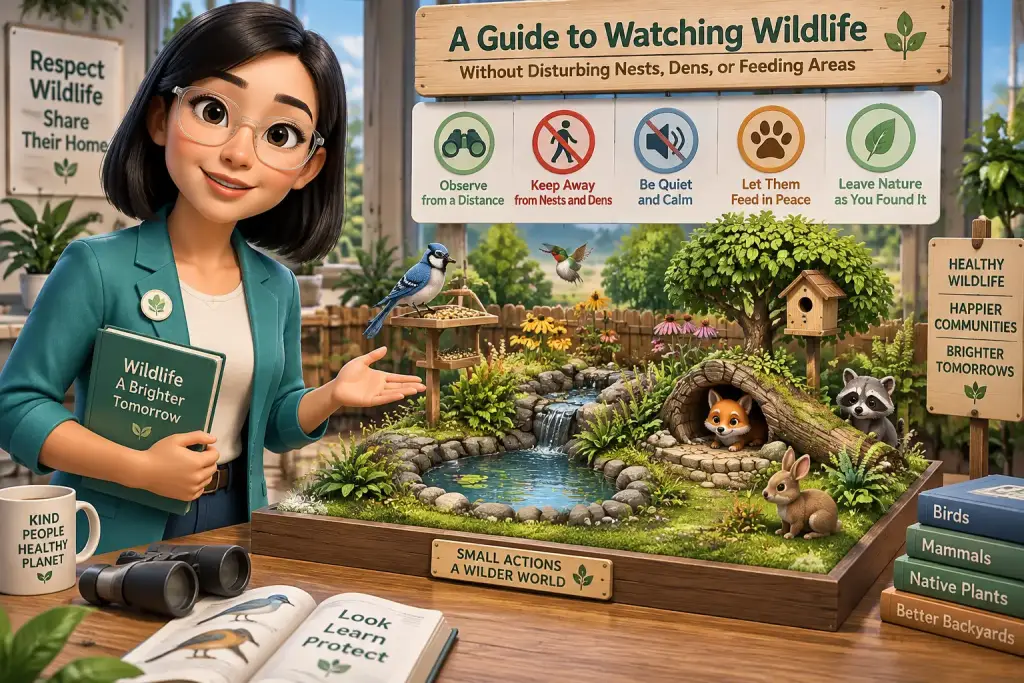
Watch from a respectful distance. Our guide to quiet wildlife watching can help you enjoy young birds without making feeding areas feel unsafe.
Build fall and winter feeding around energy
In fall and winter, offer high-fat seeds, unsalted peanuts, and suet, while keeping water from freezing. Cold weather makes birds use more energy, so reliable food and water can help them through long nights and short days.
Fall is a good time to clean feeders well and check hooks, poles, and trays. Birds begin using feeders more as berries, insects, and natural seeds become harder to find. Black oil sunflower seeds remain a strong daily choice. Add peanut pieces or suet when colder weather begins.
| Season | Best food focus | Simple daily habit |
|---|---|---|
| Spring | Sunflower seeds, soaked mealworms, fresh water | Check for wet seed after rain |
| Summer | Small seed amounts, fruit, clean water | Change water every day |
| Fall | Sunflower seeds, peanuts, natural berries | Clean feeders before cold weather |
| Winter | Suet, sunflower seeds, peanuts | Refill early in the morning |
Choose unsalted peanuts only. Whole peanuts in the shell can suit larger birds, while peanut pieces work well in a mesh feeder. Never put out peanuts that smell musty or have white or green growth. Mold can produce harmful toxins, and birds cannot safely sort good nuts from bad ones.
Natural food still matters in winter. Leave some seed heads standing in part of the garden. Coneflowers, asters, grasses, and sunflowers can provide food and shelter. A deadwood corner habitat can also hold insects for birds that search bark and fallen branches.
Check water twice a day when temperatures stay below freezing. Use a bird bath heater made for outdoor bird baths if you have one. Do not add salt, antifreeze, sugar, or chemicals to water. Those products can harm birds. A fresh bowl of water placed out in the morning can still help if you do not use a heater.
Which foods should backyard birds avoid?
Avoid bread, salty snacks, moldy food, chocolate, milk, spoiled seed, and foods with sugar or strong seasoning. These foods can fill birds up without giving them the right nutrition, and some can directly harm them.
Bread is one of the most common feeder mistakes. A small piece is not likely to cause instant harm, but bread does not give birds enough protein, fat, vitamins, or minerals. Wet bread also grows mold quickly. Ducks, pigeons, and sparrows may eat it, but that does not make it good backyard bird food.
Keep chips, crackers, salted nuts, bacon, cheese, cooked meat scraps, and fast food inside. Birds are small, so salt affects them quickly. Foods covered in butter, oil, spice, sauce, or sugar can upset their bodies and make feeding areas dirty. Greasy food can also stick to feathers.
Food that should never reach the feeder
- Chocolate, coffee grounds, tea leaves, and energy drink waste.
- Moldy bread, moldy peanuts, damp seed, and rotten fruit.
- Milk, cream, cheese, and other dairy foods.
- Salted nuts, chips, cured meat, and heavily seasoned leftovers.
- Honey, red dye, or brown sugar in hummingbird nectar.
- Raw dry rice, dry beans, and food with onion or garlic powder.
Hummingbird food needs special care. Use plain white sugar and water at a ratio of 1 part sugar to 4 parts water. Do not use honey because it can grow fungus. Do not use red coloring. Wash the feeder and replace nectar every two days in hot weather, or sooner if the liquid looks cloudy.
Do not leave pet food outside for birds. Cats, foxes, rats, and raccoons may find it first. Pet food can also bring more animals close to nests and feeding birds. If you notice rats under a feeder, stop feeding for one to two weeks, clean fallen seed, and switch to a tray or seed type that creates less waste.
Check seed and water every two days. If food smells damp, looks clumped, or has wet spots, empty it and wash the feeder before refilling.
Keep your bird feeding area healthy all year
Clean feeders often, feed in small amounts, and let native plants provide part of the menu. A healthy feeding area is not one with the most food. It is one where birds can eat, drink, hide, and leave without disease or crowding.
Set a simple routine you can keep. On Monday and Thursday, check seed and water. Once each week, brush the bird bath and wipe feeder trays. Once each month, take feeders apart for a deeper wash with hot soapy water. Rinse them well and dry them before food goes back in.
Move feeders a few feet every month if seed shells and droppings build up below them. This helps protect the grass and reduces a dirty patch where disease can spread. Rake old shells into a compost area only if there is no mold. If the seed looks damp or dirty, put it in the trash instead.
Birds do not need food from people every hour of every day. Feeders are a helpful extra, not the full answer. Trees, seed heads, native plants, water, insects, and safe cover give birds a wider range of food. That wider range helps more species than one feeder ever could.
Keep cats indoors when possible, especially around dawn and dusk. If outdoor cats live nearby, place feeders where birds have a clear view and quick cover. A feeding routine works best when safety comes first. Fresh seed matters, but a calm yard with clean water and natural shelter matters just as much.
Start small, watch what changes, and adjust with the season. Within a few weeks, you may notice different birds using different foods at different times. That is the rewarding part. Your backyard can become a dependable resting and feeding place without turning into a messy all-day buffet.

Ludovica Serra
Founder & Habitat EditorLudovica Serra, born and based in Roma, Italy, is the founder and lead editor of Eco Zoned. She helps readers create wildlife-friendly garden spaces with practical, clear advice on planting, shelter, water, and everyday habitat care.